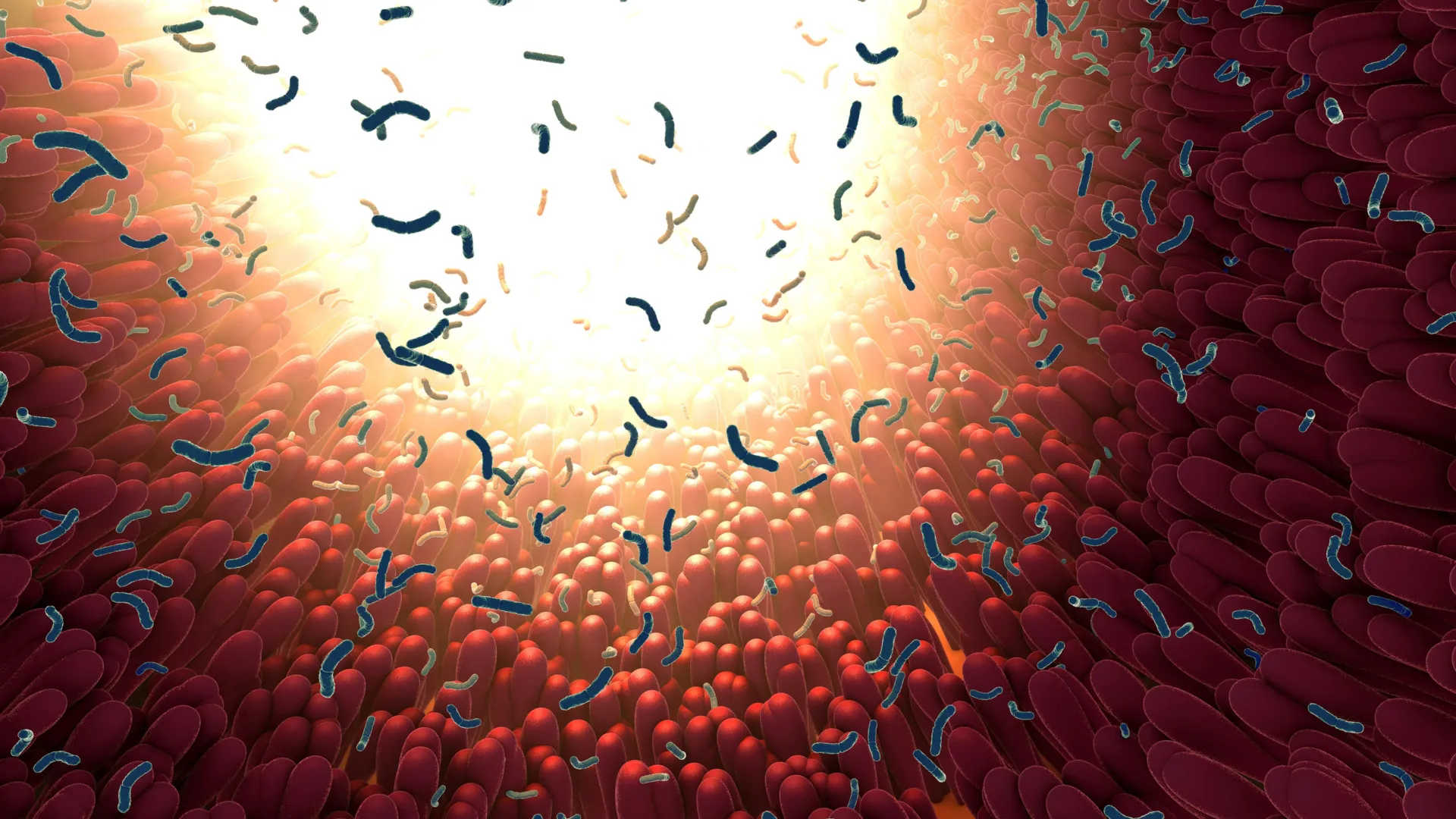
The conventional wisdom surrounding plant-based diets has long centered on the singular importance of dietary fiber, but groundbreaking research from Princeton University suggests that our understanding of digestive health is far from complete. Scientists are now uncovering that "indigestible" plant proteins, working in concert with fiber, play a critical role in shaping the gut microbiome and determining the production of vital—or harmful—metabolites. Simultaneously, a parallel study has shattered the assumption that intestinal microbes are the sole architects of our internal chemical landscape, revealing that the human body itself produces many of the compounds previously attributed exclusively to bacteria.
These dual revelations, led by Jenna AbuSalim and Joshua Rabinowitz of the Ludwig Institute for Cancer Research at Princeton, represent a significant paradigm shift in nutritional science. By identifying these complex metabolic interactions, researchers are moving closer to a precise, molecular-level understanding of how diet influences health, from metabolic disease prevention to cancer therapy.
A New Class of Nutrients: The Role of Prif
For decades, the nutritional narrative has been dominated by the dichotomy of soluble and insoluble fiber. While fiber is known to feed beneficial gut microbes, the role of plant proteins—specifically those that survive the upper digestive tract—has remained largely ignored. AbuSalim and her team have introduced the term "proteins imitating fiber," or Prif, to describe this overlooked category of dietary components.
In a study published in the Proceedings of the National Academy of Sciences (PNAS), researchers utilized advanced isotope-tracing techniques to monitor the movement of nutrients through the digestive systems of mice. The team discovered that when these Prif proteins reach the colon, they do not merely pass through as waste. Instead, they serve as a primary fuel source for specific microbial populations.
Crucially, Prif does not act in a vacuum. The study demonstrates that these proteins work synergistically with dietary fiber to influence the metabolic output of the microbiome. This process is essential for balancing phenol metabolites—chemicals formed during the breakdown of amino acids. The research highlights a vital trade-off: when gut bacteria are provided with sufficient fiber and Prif, they are steered toward producing beneficial metabolites derived from phenylalanine, such as phenylpropionate and hippuric acid, which are linked to healthy body weight and robust digestive function.
Conversely, when these substrates are absent, gut bacteria often turn to less desirable sources of fuel, including the host’s own mucosal lining. By breaking down the protective mucus that coats the intestinal wall, these microbes produce harmful metabolites like p-cresol sulfate and phenol sulfate. These tyrosine-derived compounds are increasingly linked to systemic inflammation, kidney disease, and poor outcomes in cancer patients. This mechanism provides a clear, biological explanation for why a diet rich in diverse plant matter is superior to one lacking in specific, complex plant-based substrates.
Challenging the Microbial Monopoly
The second major breakthrough, published in Nature Metabolism in June, tackles the foundational belief that the human microbiome is the primary factory for circulating metabolic compounds. For years, the scientific community has operated under the assumption that metabolites like indole—a class of compounds involved in immune regulation and inflammatory response—are almost entirely synthesized by gut bacteria. This assumption has fueled a multi-billion-dollar industry focused on probiotics and microbiome-targeting supplements.
However, the Princeton team’s application of isotope tracing revealed a startling reality: mammalian cells possess an inherent, independent capacity to synthesize many of these metabolites. Using a combination of animal models and human cell cultures, the researchers observed that the body continues to produce significant levels of key compounds even when the microbiome is severely depleted by antibiotics.
This finding introduces a necessary layer of complexity to clinical research. If a significant portion of an indole metabolite is produced by the liver or other tissues rather than by gut bacteria, then interventions designed to "boost" the microbiome to combat inflammation or disease may have limited efficacy. The researchers suggest that the clinical focus must shift toward a more holistic view of metabolism—one that accounts for the constant, dynamic crosstalk between host cells and their microbial residents.
Implications for Clinical Practice and Nutrition
The implications of these discoveries extend well beyond the laboratory, potentially altering the landscape of clinical nutrition and pharmacology. Joshua Rabinowitz, director of the Princeton Branch of the Ludwig Institute, suggests that these findings could lead to a future where food labels provide more nuanced data.
"Food packaging may eventually list Prif right below fiber," Rabinowitz noted, emphasizing that the sheer quantity of fiber in a product might not be as important as the specific chemical composition of the plant proteins contained within it. For doctors and nutritionists, this means that dietary advice may soon move away from generic "eat more plants" messaging toward precision recommendations that target specific metabolic pathways.
For patients undergoing cancer treatment, the stakes are particularly high. Some indole metabolites influence the body’s ability to mount an immune response against tumors. If these metabolites are produced by the host rather than the microbiome, then therapeutic strategies must be re-evaluated to prioritize host-cell signaling alongside microbial modulation. The ability to distinguish between microbe-derived and host-derived compounds allows researchers to refine how they treat conditions like inflammatory bowel disease (IBD) and neurodegenerative disorders.
Chronology of Discovery and Methodological Rigor
The progression of this research underscores the importance of technological advancements in metabolic tracking. Historically, identifying the source of a metabolite required complex, often indirect, observational data. The use of stable, non-radioactive isotope tracing has fundamentally changed this. By tagging molecules with specific chemical "signatures," the team could observe the exact metabolic pathways taken by proteins in real-time.
- Phase I (Experimental Foundation): Researchers identified the metabolic pathways of tyrosine and phenylalanine, mapping their conversion into either beneficial or harmful phenols.
- Phase II (Isotope Tracing): Utilizing non-radioactive labels, the team tracked the consumption of dietary proteins in mouse models, revealing that beneficial metabolites originate from food-based proteins, while harmful ones originate from the degradation of the intestinal mucosal barrier.
- Phase III (Cross-Species Validation): The team expanded the study to rats and human cell lines to confirm that mammalian cells independently produce indole metabolites, challenging the long-held "microbiome-only" production model.
- Phase IV (Clinical Correlation): The team analyzed samples from human patients on antibiotic regimens, confirming that many metabolic compounds remain present even in the absence of a robust gut microbiome.
Looking Ahead
While these findings are profound, the researchers are careful to note that their work is an ongoing process. Much of the experimental data is derived from controlled laboratory settings, and human clinical trials are the necessary next step to confirm these pathways in diverse human populations.
The integration of these findings into standard medical practice will require a fundamental shift in how we perceive the "gut-body" connection. We are no longer looking at a one-way street where the gut microbiome dictates systemic health. Instead, we are looking at a collaborative ecosystem where host metabolism and microbial output are inextricably linked.
As the Ludwig Institute continues its investigation, the scientific community is beginning to recognize that "digestible" and "indigestible" are terms that fail to capture the sophistication of our food. The future of nutrition will likely be defined by our ability to manage this internal chemical factory, ensuring that both our own cells and our microbial guests have the exact materials required to keep the body in a state of metabolic health. For the millions of individuals struggling with chronic metabolic diseases, this research offers a hopeful, evidence-based roadmap for more effective, personalized health interventions in the years to come.