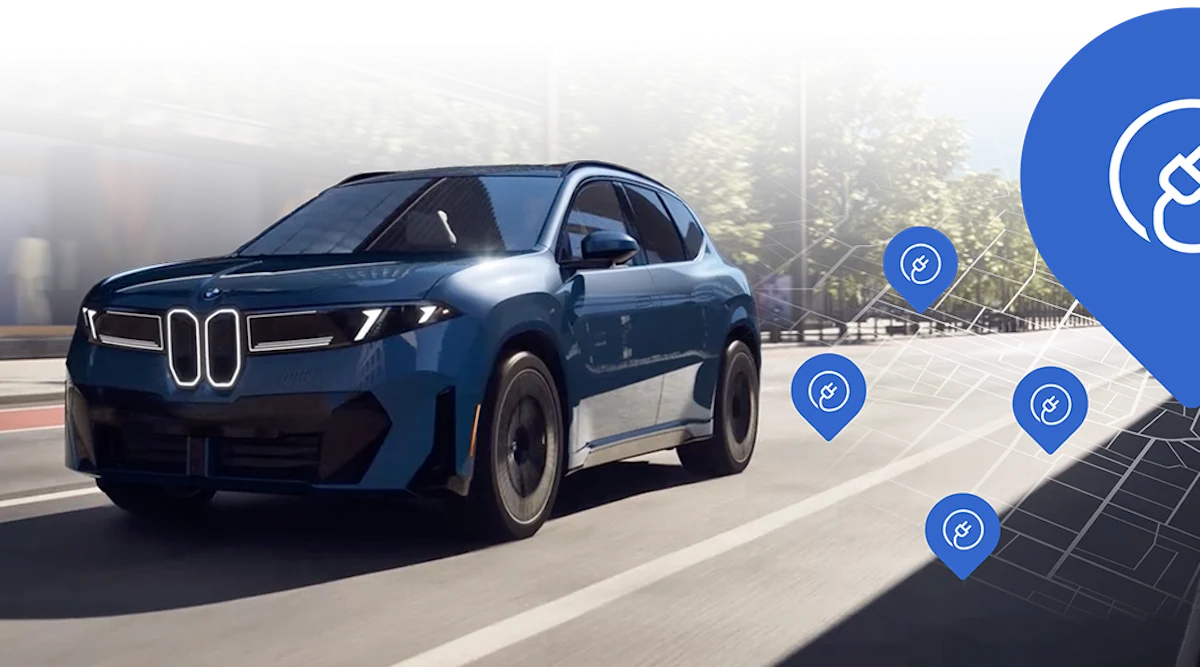
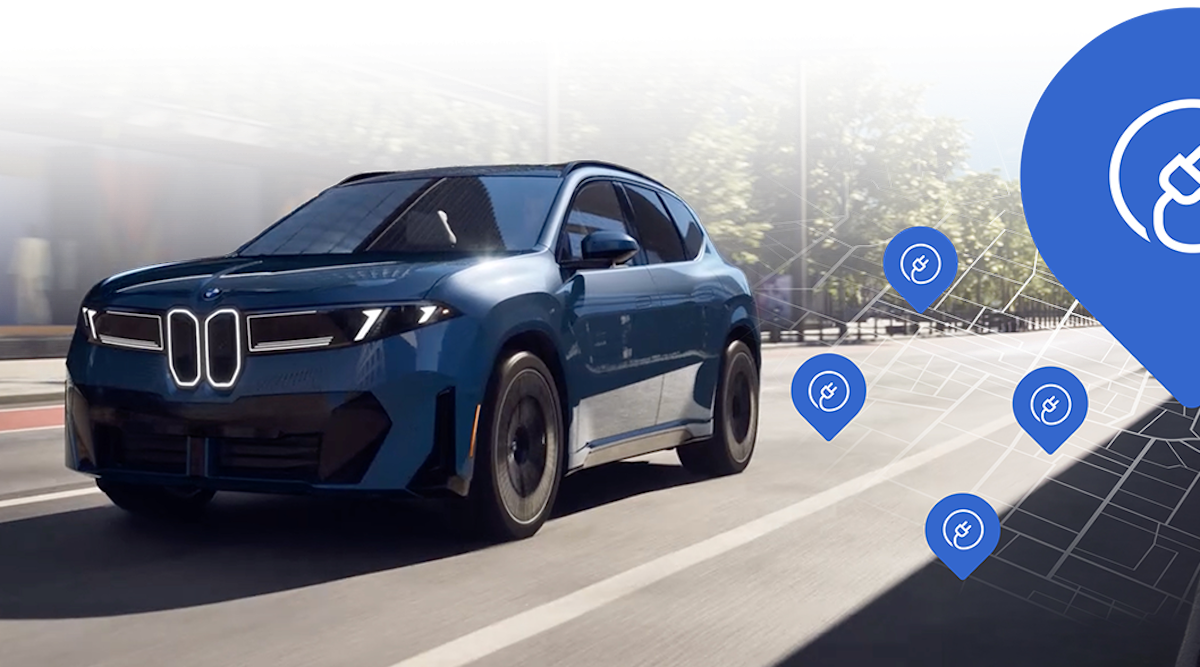
As the automotive sector navigates a complex period of shifting federal policy and evolving consumer preferences, BMW is reinforcing its commitment to the American electric vehicle (EV) market. Beginning November 5, 2026, the German luxury automaker will introduce a comprehensive charging incentive package for buyers and lessees of its 2027 i5, i7, and iX3 models. This initiative, which includes a total of $500 in charging credits and additional membership benefits, arrives at a critical juncture for the industry as stakeholders seek to maintain momentum in EV adoption despite a cooling federal subsidy environment.
The package is structured to simplify the ownership experience for new customers. It provides $300 in credits valid across the broader BMW Charging Network, which encompasses more than 180,000 public charging points integrated into the proprietary My BMW app. Furthermore, the offer includes a $200 credit specifically for IONNA charging stations. IONNA, a high-profile consortium formed by seven global automakers—including BMW, General Motors, Honda, Hyundai, Kia, Mercedes-Benz, and Stellantis—aims to build a robust, reliable high-power charging network across North America. Complementing these credits, BMW is providing a one-year IONNA membership, which entitles owners to a 25% discount on charging rates, effectively lowering the long-term cost of operation.
A Shifting Landscape for EV Incentives
The introduction of these credits occurs amidst a broader recalibration of the US EV market. Following the expiration of certain federal tax credit provisions in late 2025, manufacturers have faced pressure to innovate in how they package value for prospective buyers. While a $500 credit may appear modest when measured against the premium MSRP of vehicles like the i7, which can exceed $100,000, industry analysts suggest the move is less about immediate cost-offsetting and more about building a cohesive ecosystem.
By aligning its brand with the IONNA consortium, BMW is signaling to consumers that the "charging anxiety" often associated with EV ownership is being actively addressed by the manufacturers themselves. This strategy mirrors a wider industry trend where automakers are moving away from relying solely on government-subsidized purchase incentives and toward private-sector infrastructure development and service integration.
The Rise of Time-of-Use and Free Charging Initiatives
The timing of BMW’s announcement coincides with an increasing consumer awareness of "free-power" hours and time-of-use (TOU) energy planning. Utilities, particularly in states like Texas and Pennsylvania, have begun offering plans that incentivize off-peak electricity consumption to manage grid stability. Programs such as those offered by Constellation, which provide free or heavily discounted electricity between midnight and 4 a.m., are becoming essential components for EV owners looking to minimize "fueling" costs.
This development creates a synergy between the vehicle manufacturer and the energy provider. As smart home integration becomes standard, the ability for a vehicle to communicate with the grid—and charge when rates are lowest—transforms the EV from a simple consumer product into a managed energy asset. BMW’s initiative to offer charging credits serves as a "gateway" into this ecosystem, encouraging new owners to engage with the My BMW app and familiarize themselves with the charging networks that best support their local utility plans.
Chronology of Infrastructure and Collaborative Innovation
The development of this incentive package is the latest chapter in a multi-year effort by BMW to secure its position in the electrified mobility space. The trajectory of these efforts can be traced back to key strategic alliances formed over the past three years:
- December 2023: BMW, Ford, and Honda announce the formation of ChargeScape, a joint venture designed to optimize grid services through bidirectional energy management.
- September 2025: The federal EV tax credit framework undergoes significant changes, prompting manufacturers to re-evaluate their consumer value propositions.
- June 2026: Rivian joins the ChargeScape alliance, signaling the industry’s focus on universal, cross-brand interoperability.
- November 2026: The official launch of the $500 charging incentive for 2027 model year BMW EVs.
These milestones reflect a transition from the "early adopter" phase of EVs to a "mass market" phase. The focus has shifted from merely increasing the number of public plugs to improving the intelligence and reliability of the infrastructure behind them. Projects like ChargeScape are designed to allow utilities to draw power from, or push power to, EV batteries, thereby helping to balance the grid during periods of high demand.
The Role of Bidirectional Charging
Perhaps the most significant long-term implication of these initiatives is the maturation of bidirectional charging technology. While early EVs were strictly "one-way" consumers of energy, the current generation of premium vehicles is increasingly equipped with the hardware necessary for vehicle-to-grid (V2G) and vehicle-to-home (V2H) applications.

Companies like Ford have begun integrating internal inverters into their vehicles, such as the upcoming Fathom electric pickup, which removes the need for expensive external hardware. As BMW and other luxury manufacturers continue to roll out 2027 and future-year models, the expectation is that these vehicles will serve as decentralized battery storage units. When combined with the "free night" electricity plans offered by utilities, the potential for a vehicle to pay for itself through energy arbitrage becomes a tangible, if not yet fully realized, consumer benefit.
Market Implications and Future Outlook
Despite concerns regarding the political and regulatory environment surrounding the automotive industry, the private sector has demonstrated remarkable resilience. The investment in charging infrastructure has not slowed; rather, it has become more targeted. By partnering with networks like Shell Recharge, Electrify America, ChargePoint, and EVgo, alongside the creation of the IONNA network, automakers are attempting to create a "walled garden" that provides a premium experience to match the luxury price point of their vehicles.
The implications for the broader market are twofold. First, it establishes a new baseline for what luxury buyers expect from an electric vehicle purchase: it is no longer enough to offer a high-performance, high-range vehicle; the manufacturer must also provide a seamless, integrated charging ecosystem. Second, it demonstrates the growing influence of the "energy-as-a-service" model. Automakers are increasingly positioning themselves as energy partners, leveraging their vehicles to help manage load on the electrical grid.
Conclusion
BMW’s decision to offer a $500 charging credit for its 2027 i-series vehicles is a strategic move that reflects the current reality of the US EV market. It addresses the immediate needs of consumers—cost-effective and convenient charging—while simultaneously aligning the company with the long-term structural changes occurring in the energy sector. As the industry moves toward 2027, the success of these models will depend not only on the vehicles themselves but on the strength of the networks and energy services that support them. By investing in these collaborative platforms, BMW is attempting to ensure that the transition to electric mobility is as frictionless as possible for its customer base, regardless of the broader legislative winds.
As utilities, automakers, and consumers continue to experiment with grid-friendly charging schedules and bidirectional technology, the role of the EV will continue to expand from a mere mode of transportation to a pivotal piece of the modern energy infrastructure. For the 2027 BMW buyer, the $500 credit is a welcome starting point in an ownership journey that promises to be increasingly integrated with the evolving needs of the American power grid.