Air travel is frequently characterized by long security queues, delayed flights, crowded departure gates, and the monotonous wait for boarding calls. For millions of passengers moving through global transit hubs each day, airports represent a spatial and temporal limbo—a place where time stretches and social interaction is largely governed by polite indifference. However, a growing cohort of single travelers and lifestyle commentators argue that this unique environment possesses untapped potential for romance. The conversation gained fresh momentum recently when professional pickleball player and content creator Shelby Bates proposed the establishment of dedicated airport lounges exclusively for single travelers at major international hubs.
The proposal, which quickly circulated across social media platforms including Instagram, envisions a physical space within major airports like John F. Kennedy International Airport (JFK), Hartsfield-Jackson Atlanta International Airport (ATL), and Los Angeles International Airport (LAX) where single individuals can gather, pay an admission fee, and interact without the guesswork typically associated with modern dating. While the concept has sparked lighthearted skepticism and viral debate online, it also touches upon broader economic, logistical, and sociological questions regarding how modern adults meet, network, and form relationships in an increasingly transient society.
The Mechanics of the Proposal
Under Bates’ conceptual model, an airport singles lounge would operate on a clear premise: entry is restricted to individuals who explicitly identify as single and are mentally prepared to socialize. Rather than navigating the ambiguous social dynamics of standard terminal seating areas or premium airline lounges—where passengers are typically focused on working, resting, or consuming media—a dedicated singles lounge would eliminate the guesswork of whether a fellow traveler welcomes an approach.
The operational blueprint suggested by proponents includes structured elements designed to break the ice. These features range from communal dining tables and organized speed-dating events to televisions broadcasting live sporting events, allowing guests to identify shared interests based on team affiliations before initiating a conversation. Admission fees would serve as a baseline filter, while the physical location behind security checkpoints provides an inherent layer of security, as all entrants have already undergone Transportation Security Administration (TSA) screening.
Furthermore, proponents argue that the airport environment possesses a natural mechanism for romantic encounters: the hard departure time of a flight. This built-in expiration date prevents interactions from dragging on awkwardly if there is no mutual chemistry. Conversely, if a strong connection is established, the high stakes of potentially missing a flight introduce a dramatic narrative element that elevates the encounter far above the mundane swiping mechanics of traditional smartphone dating applications.
Pre-Existing Filters and the Evolution of Terminal Socializing
The idea of leveraging the aviation ecosystem for romantic matchmaking is not entirely novel. In recent years, frequent flyers and relationship analysts have noted that modern air travel infrastructure already functions as an indirect filter for potential partners.
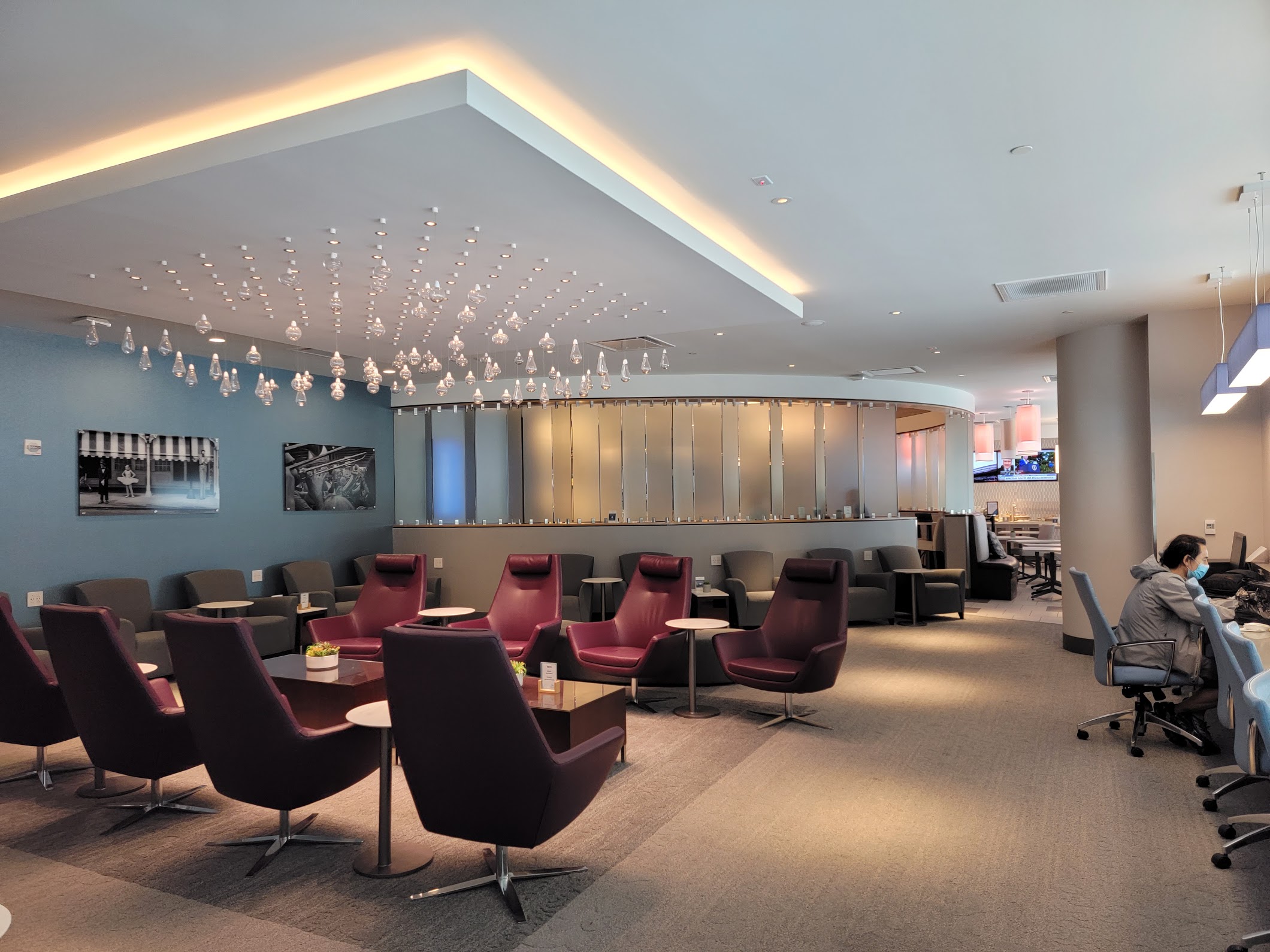
Airport lounges, trusted traveler programs like TSA PreCheck and Global Entry, and premium credit card memberships implicitly signal certain demographic and economic markers. Access to credit card-branded spaces—such as American Express Centurion Lounges, Capital One Lounges, and Chase Sapphire Lounges—often correlates with financial stability, employment status, and a penchant for travel. Additionally, passing through strict federal security screening provides a baseline assurance that individuals within the secure perimeter do not possess prohibited weapons, offering a safer environment for a first meeting than a completely unvetted public venue.
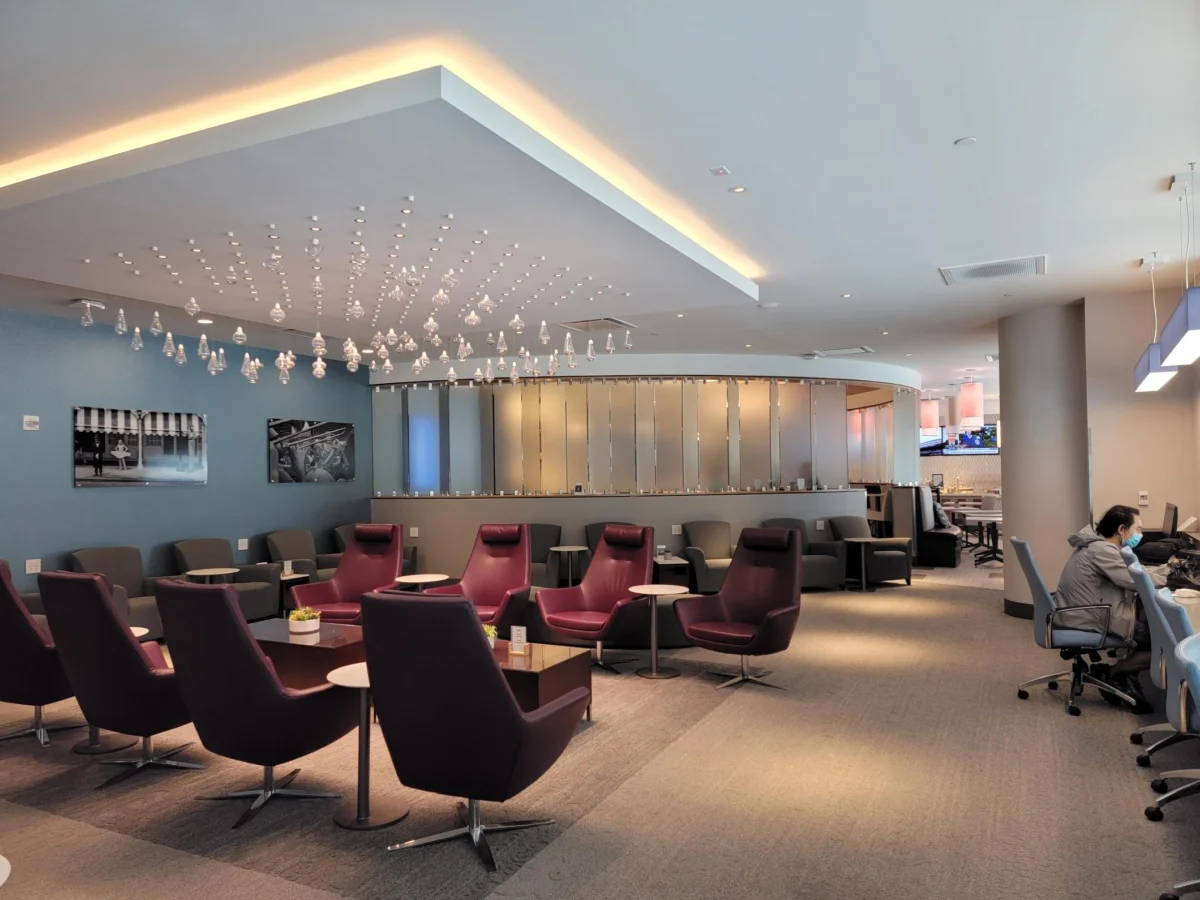
However, existing spaces are rarely optimized for interpersonal connection. A frequent critique of traditional airline and credit card lounges is that they function primarily as workspaces or quiet zones. Patrons typically wear noise-canceling headphones, stare intently at laptop screens, or rest quietly between connecting flights. Previous attempts by travelers to network or socialize in these environments have frequently yielded minimal results, as the prevailing social contract of the lounge is one of solitude and productivity rather than community engagement.
A dedicated singles lounge would fundamentally alter this expected etiquette. By reframing the purpose of the space, operators would shift the psychological mindset of the occupants from isolation to accessibility.
Logistical and Economic Realities of Airport Real Estate
Despite the romantic appeal of terminal matchmaking, the realization of dedicated singles lounges faces significant commercial and logistical hurdles. Airport real estate is among the most tightly contested and expensive commercial property in the world. Terminal space is managed under strict lease agreements with municipal port authorities, and prospective lounge operators must contend with high construction costs, stringent building codes, strict security clearance requirements for staff and contractors, and ongoing operational expenses including food, beverage, and staffing.
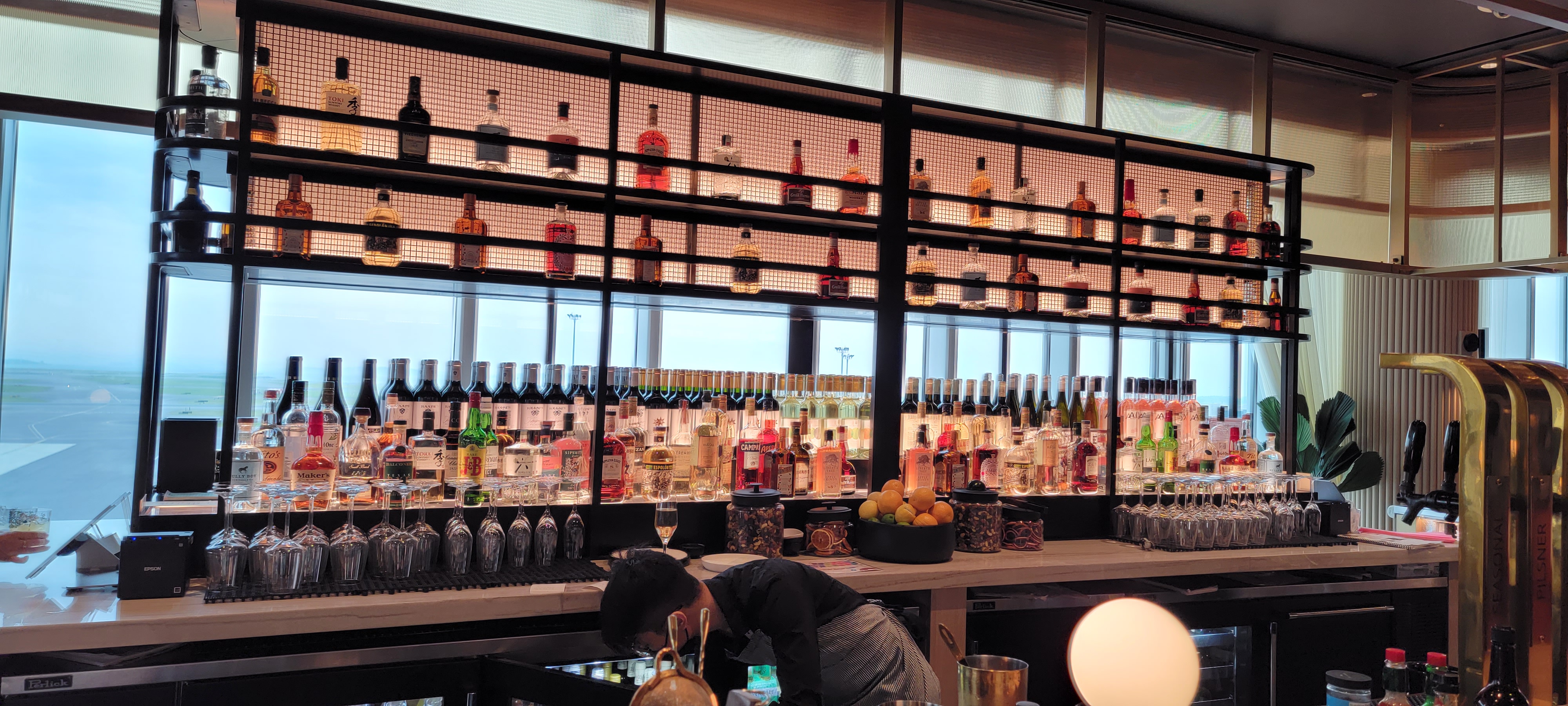
Major financial institutions and airline alliances currently dominate the lounge landscape, bidding aggressively for square footage to service lucrative cardholder bases and elite frequent flyers. Introducing a niche concept like a singles lounge narrows the potential customer base significantly. Traditional lounges cater to families, business travelers, couples, and solo flyers alike, maximizing occupancy rates throughout the day. A lounge restricted solely to single adults risks underutilization during off-peak travel hours or slower seasonal periods.
Moreover, demographic variables present a complex balancing act for any potential operator. A successful dating environment requires a carefully managed balance of age groups, sexual orientations, relationship intentions, and compatibility factors. If a lounge fails to achieve a critical mass of compatible participants at any given time, the value proposition for the consumer diminishes rapidly.
Security, Misrepresentation, and Safety Concerns
Public reaction to the viral proposal immediately highlighted several practical challenges, most notably the issue of verification. Critics and commentators pointed out that physical presence in an airport does not inherently verify relationship status. Married individuals traveling for business or pleasure could theoretically enter the lounge, leading to concerns regarding trust, honesty, and the integrity of the space.
Additionally, operators would face heightened liability regarding patron behavior. While security personnel and airport police are readily available within terminal buildings, lounge staff would be tasked with actively monitoring interactions to ensure that guest boundaries are respected. Preventing harassment and managing individuals who do not accept rejection gracefully would require robust intervention policies, well-trained hospitality staff, and clear codes of conduct.
The integration of network access programs such as Priority Pass presents another dual-edged sword. While partnerships with multi-lounge access programs could guarantee a steady stream of curious visitors and initial revenue, it could simultaneously dilute the core mission of the space. Cardholders might enter simply to utilize complimentary food and beverage amenities rather than engaging in the dating market, recreating the passive atmosphere that plagues conventional lounges.
Historical Precedents and Industry Experiments

The intersection of travel and romance has inspired numerous entrepreneurial ventures over the past decade. In 2015, travel technology concepts such as "Lounger" attempted to match frequent flyers possessing guest lounge privileges with travelers seeking entry. Other startups, including AirDates and Wingman, have periodically attempted to introduce location-based mobile applications tailored specifically to transit hubs and airline seating charts.
Mainstream media outlets have also increasingly documented the phenomenon of airport romance, reflecting a cultural shift toward viewing transit spaces as social arenas. Travel publications and lifestyle columns frequently feature anecdotes of passengers forming lasting relationships while delayed at gate areas or sharing tables in crowded terminal restaurants.
Industry observers suggest that while a permanent, standalone singles lounge might face steep economic viability tests on an ongoing basis, temporary activations or sponsored pop-up events could serve as highly effective marketing strategies. The earned media value generated by a high-profile, novel activation during peak travel seasons could outweigh the immediate operational costs, serving as a powerful public relations tool for travel brands, credit card issuers, or dating applications looking to capture public attention.
Outlook for Airport Social Infrastructure
As the aviation industry continues to evolve past historical passenger volume peaks, airport operators are increasingly looking for innovative ways to enhance the passenger experience and drive non-aeronautical revenue. While dedicated singles lounges may remain more of a social media talking point than an immediate commercial reality, the underlying consumer demand for more meaningful, serendipitous human connection during travel is evident.
Whether through specialized physical lounges, curated gate-side events, or advanced digital networking tools designed for transit hubs, the modern traveler’s journey is slowly expanding beyond mere transportation. Until a major airport CEO decides to test the waters with a dedicated singles space, single travelers navigating the global transit network will likely continue to rely on the timeless, if unpredictable, art of striking up a conversation at 35,000 feet.