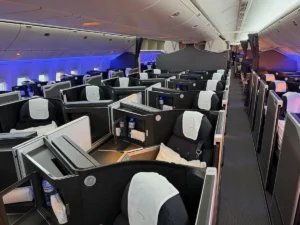
Boeing is facing a high-stakes labor confrontation as approximately 17,000 engineers and technical staff represented by the Society of Professional Engineering Employees in Aerospace (SPEEA) approach a pivotal contract expiration date on October 6, 2026. With a potential strike looming, newly intensified negotiations have placed the aerospace giant under immense pressure. Chief Executive Kelly Ortberg has publicly acknowledged that a walkout by these key technical employees would immediately freeze the certification process for the long-delayed Boeing 777X program, dealing a severe blow to the company’s financial recovery and operational credibility.
The labor dispute centers on compensation and working conditions amid a multi-year restructuring effort at Boeing. In August 2026, the SPEEA-represented workforce overwhelmingly rejected an initial contract offer, authorizing a strike by an 88% margin. In response to the high-stakes impasse, Boeing submitted an improved proposal on September 11, 2026, which includes a 10% general wage increase. A ratification vote by the union membership is scheduled to take place in the coming weeks, determining whether the aerospace manufacturer can avert a crippling work stoppage.
Background and Chronology of Labor Unrest at Boeing
The current tensions between Boeing management and its technical workforce do not occur in a vacuum; they follow a turbulent period of labor relations and manufacturing challenges for the company. Just two years prior, in the fall of 2024, roughly 33,000 machinists belonging to the International Association of Machinists and Aerospace Workers (IAM) walked off the job for seven weeks. That strike brought production lines for the 737 MAX, 767, and 777 to a virtual standstill.
To survive the financial fallout of the 2024 machinists’ strike, Boeing was forced to execute a massive $24 billion capital raise to stabilize its balance sheet. That successful labor action by the machinists demonstrated the immense leverage held by organized labor unions within the company’s manufacturing and engineering ecosystems. Buoyed by that precedent, SPEEA engineers have leveraged their indispensable role in aircraft design and regulatory compliance to demand substantial wage adjustments to offset years of inflation and corporate restructuring.
Why SPEEA Engineers Hold Critical Leverage Over the 777X
The Boeing 777X widebody program represents one of the most critical assets in the manufacturer’s commercial portfolio, yet it has become a symbol of prolonged delays and ballooning expenditures. Originally slated to enter commercial service much earlier, the aircraft is currently working through a protracted certification timeline that is years behind schedule and billions of dollars over budget.
Unlike factory floor production workers, SPEEA’s engineers and technical professionals are irreplaceable during the final phases of flight testing and regulatory sign-offs. They possess the specialized technical data, documentation, and engineering expertise required by the Federal Aviation Administration (FAA) to validate the aircraft’s safety and airworthiness.
During a recent briefing with investors, CEO Kelly Ortberg addressed the severe operational consequences of a potential strike. Ortberg stated unequivocally that a walkout by the engineering staff would halt the 777X certification program entirely until a resolution is reached and the workforce returns to their desks. This administrative freeze would subsequently trigger cascading delays throughout the entire manufacturing and supply chain infrastructure tied to the widebody program.
Market Implications and Impact on Global Airline Customers
A prolonged stoppage in the 777X certification timeline carries profound ramifications for the commercial aviation market. Boeing’s order book for the 777X family is stacked with flagship long-haul carriers that depend on the aircraft to modernize their fleets and introduce next-generation passenger cabins. Major international airlines including Emirates—the aircraft’s largest customer—alongside Lufthansa, Qatar Airways, Cathay Pacific, and British Airways, have experienced years of delivery pushbacks.
Every additional month that the certification process remains stalled forces these airlines to keep older, less fuel-efficient widebody aircraft in active service longer than planned. Furthermore, persistent delays open a strategic window for European rival Airbus to capture market share. Airbus has aggressively positioned its A350-1000, as well as the smaller A330-900neo, as reliable alternatives for airlines frustrated by Boeing’s continuous schedule slips.
For CEO Kelly Ortberg, who took the helm with a mandate to stabilize Boeing’s safety culture, financial standing, and manufacturing execution, the timing of this labor dispute could not be worse. Ortberg’s overarching turnaround strategy relies heavily on the successful commercial introduction of the 777X. A protracted labor dispute threatens to derail these strategic rescue efforts, shake investor confidence, and lead to further credit downgrades or capital requirements.
Economic and Broader Industry Analysis
The impending SPEEA vote serves as a litmus test for Boeing’s operational stability and labor relations management. Industry analysts note that while management is keen to avoid the debilitating financial losses experienced during the 2024 machinists’ strike, the company’s current balance sheet leaves little room for error.
If union members vote to accept the September 11 contract proposal, Boeing will secure a vital runway to focus entirely on clearing regulatory hurdles for the 777X, with commercial deliveries anticipated to ramp up toward 2027. Conversely, a rejection of the offer and a subsequent strike on October 6 would immediately paralyze the certification effort, pushing delivery dates even further into the future and compounding the financial strain on the company.
Beyond the immediate corporate ledger, the outcome of this negotiation carries weight for the broader U.S. manufacturing economy and the aerospace supply chain in the Pacific Northwest. Both labor leaders and corporate executives face the delicate task of balancing fair compensation for highly skilled technical professionals against the absolute necessity of maintaining global competitiveness in an industry where customer trust and timely delivery are paramount.