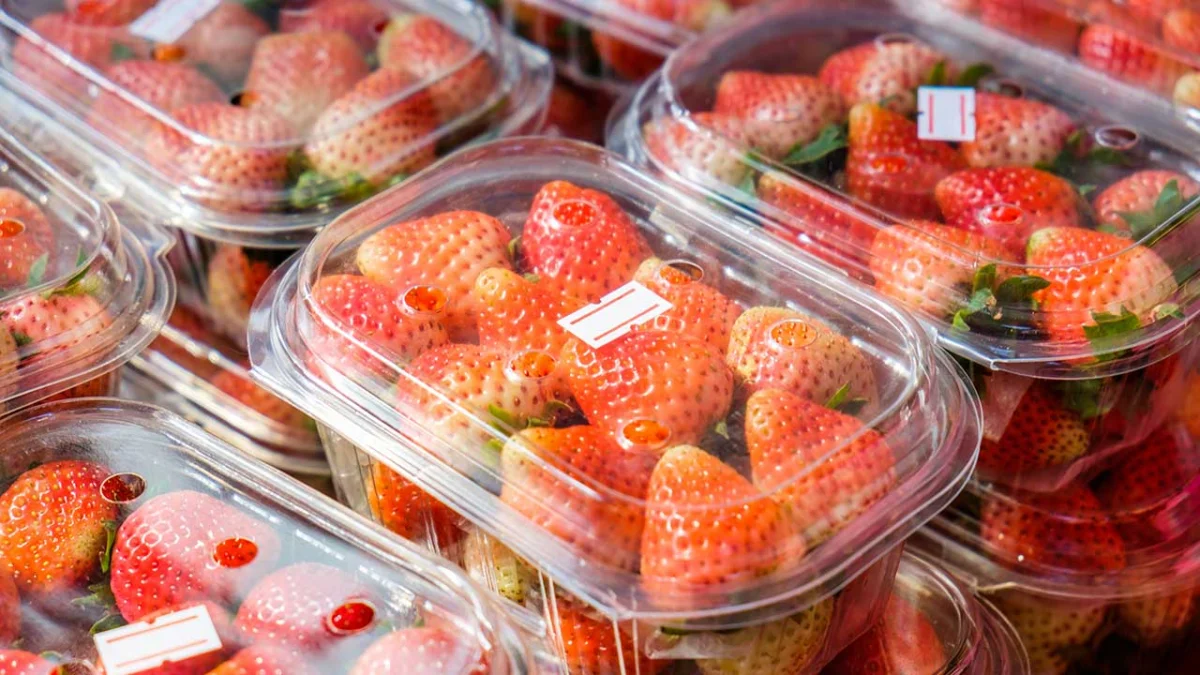
Starting in 2028, the aisles of American grocery stores will begin to look markedly different as the ripple effects of California’s Senate Bill 54 (SB 54) take hold. From the disappearance of black plastic trays in the prepared food section to the shift from plastic clamshells to cardboard for fresh produce, these changes represent a fundamental transformation in how goods are packaged, sold, and disposed of. While the legislation is a California-centric policy, its influence is national, forcing major manufacturers to rethink their supply chains to maintain a single, compliant packaging standard for the entire U.S. market.
The legislation, officially known as the Plastic Pollution Producer Responsibility Act, marks a departure from traditional waste management. By shifting the financial and logistical burden of end-of-life disposal from local municipalities and taxpayers to the producers themselves, SB 54 aims to internalize the costs of plastic pollution. With finalized regulations having taken effect in May 2026, the industry is now in the midst of a multi-year transition that will redefine the "default" packaging for everything from electronics to fresh produce.
The scope of this transition is vast. According to the Environmental Protection Agency (EPA), plastic waste in the U.S. municipal waste stream surged from a negligible 0.4% in 1960 to 12.2% by 2018. Packaging is a primary driver of this trend; data from Greenprint indicates that 36% of all manufactured plastic is dedicated to packaging, with a staggering 85% of that material ultimately ending up in landfills. SB 54 aims to curb this trajectory by mandating a 25% reduction in single-use plastic by 2032 and requiring that all covered packaging be either recyclable or compostable.
The Mechanization of Extended Producer Responsibility (EPR)
At the heart of the legislation is the principle of Extended Producer Responsibility (EPR). Historically, local governments have borne the cost of collecting, sorting, and landfilling packaging. Under SB 54, producers are now legally and financially responsible for the lifecycle of their packaging. This "polluter pays" model creates a direct economic incentive for companies to reduce packaging volume, switch to more recyclable materials, and eliminate substances that contaminate recycling streams.
The implementation is overseen by the Circular Action Alliance, a producer responsibility organization that manages the funds and compliance verification. By requiring producers to pay into a fund that supports infrastructure upgrades, the law effectively subsidizes the modernization of Material Recovery Facilities (MRFs), which are the facilities tasked with sorting and baling waste.
Category-Specific Impacts: Why Packaging is Changing
The redesign of consumer goods is not arbitrary; it is driven by the limitations of modern sorting technology and the health risks associated with specific materials.
Polystyrene Foam (EPS)
Expanded Polystyrene, commonly known as Styrofoam, is perhaps the most immediate target of the law. Because EPS is composed primarily of air, it is notoriously expensive to transport and prone to breaking into small, unrecoverable fragments that contaminate higher-quality recycling streams. Furthermore, styrene—a building block of the material—has been linked to various health risks, including potential carcinogenicity. The shift toward molded fiber and cardboard alternatives is already underway, as these materials offer a more sustainable profile and are readily accepted in existing paper recycling streams.
Black Plastic Trays
The removal of black plastic from the deli and microwaveable meal sections is a technical necessity. Most modern recycling centers utilize near-infrared (NIR) optical sorters to identify and separate plastics. These machines rely on light reflection; however, the carbon black pigment used in many plastic trays absorbs NIR light, rendering the material invisible to the sensors. As a result, these trays are routinely rejected and diverted to landfills. Producers are now pivoting to clear or light-colored PET (polyethylene terephthalate), which is easily detectable and highly valuable in the recycled plastics market.
PVC and Blister Packs
Polyvinyl Chloride (PVC) is being phased out due to its status as a major contaminant. Even minute amounts of PVC in a bale of PET plastic can ruin an entire shipment, making the material unrecyclable. By pushing for a shift toward rPET (recycled PET) or paper-based alternatives, regulators aim to improve the purity and efficiency of the recycling stream.
Oxo-Degradable Plastics
Perhaps the most significant victory for environmental integrity is the regulation of "oxo-degradable" plastics. Often marketed as "eco-friendly" or "degradable," these plastics are conventional materials treated with additives to break them down into smaller pieces. Rather than biodegrading into organic matter, they merely fragment into microplastics, exacerbating pollution. SB 54’s strict definitions effectively ban these materials, curbing greenwashing tactics that have misled consumers for years.
Chronology of Implementation
The transition is occurring in distinct phases, allowing manufacturers time to adjust their packaging designs:
- May 2026: Final regulations took effect. Producers were required to register with the Circular Action Alliance or state agencies.
- January 2027: Full program implementation begins. Producers must demonstrate a 10% reduction in single-use plastic relative to 2023 baselines.
- January 2028: The "recyclability threshold" mandate begins; 30% of covered plastic packaging must be proven to be recycled, not just recyclable.
- January 2030: The recycling rate target increases to 40%, and source reduction requirements reach 20%.
- January 2032: The final deadline. All covered packaging must be recyclable or compostable, with a 65% recycling rate and 25% source reduction achieved.
Broader Market Implications and Legal Challenges
The influence of California’s policy extends far beyond its state borders. Major consumer goods companies operate on national supply chains; maintaining two distinct sets of packaging—one for California and one for the rest of the country—is prohibitively expensive. Consequently, industry leaders are opting to adopt the California standard as their national baseline. This phenomenon, often called the "California Effect," is effectively creating a national de facto policy for packaging design.
However, the path to compliance is not without friction. On June 2, 2026, a coalition of environmental groups, including Oceana, the NRDC, and the Californians Against Waste Foundation, filed a lawsuit in San Francisco Superior Court. The plaintiffs argue that the finalized regulations contain excessive loopholes for large categories of plastic packaging and fail to provide adequate safeguards against technologies the law was initially designed to restrict. This litigation suggests that the regulatory landscape remains fluid and that the battle over specific definitions of "recyclable" will continue for several years.
Consumer Empowerment and the Role of the Shopper
As these changes materialize, consumers play a vital role in the transition. While the burden of redesign lies with producers, consumer behavior signals market viability. Shoppers are increasingly encouraged to look for verified third-party certifications, such as the Biodegradable Products Institute (BPI) logo for compostable items or the "How2Recycle" label for clear disposal instructions.
Experts caution against the rise of "greenwashing" during this transition. Companies may switch to "plant-based" plastics that still require industrial composting facilities to break down—facilities that many municipalities currently lack. The recommendation for consumers remains consistent: prioritize reduction and reuse before recycling, and remain skeptical of vague environmental marketing.
Conclusion
The implementation of SB 54 represents a pivotal shift toward a circular economy in the United States. By mandating that producers account for the entire life cycle of their materials, California is challenging the status quo of a "take-make-waste" culture. While the road to 2032 is fraught with logistical challenges, infrastructure hurdles, and ongoing legal scrutiny, the direction is clear. As the packaging on grocery shelves shifts toward more sustainable, transparent, and recyclable materials, the American consumer is witnessing the early stages of a fundamental transformation in the relationship between industry and the environment. Whether this serves as a blueprint for federal action remains to be seen, but for now, California has effectively set the pace for the future of sustainable commerce.