A wave of confounding nationwide digital outages over the past week has left millions of consumers and business leaders shaken. From domestic flights abruptly grounded to missing emails, frozen bank transactions, and inaccessible government databases, the widespread service disruptions crippled multiple sectors simultaneously. With no immediate, unified explanation from lawmakers or tech executives, public anxiety surged, initially stoking fears of a massive, coordinated state-sponsored cyberattack.
However, federal officials and industry insiders quickly quelled those worst-case fears, confirming that the disruptions were not the result of hostile foreign actors or malicious algorithms. Instead, a deeply ironic and unexpected culprit emerged: the very artificial intelligence tools deployed to protect the nation’s critical infrastructure. Advanced AI models are discovering software vulnerabilities at unprecedented, machine speeds. To stay ahead of bad actors who wield similarly powerful technologies, corporate and government tech teams have been racing to patch these flaws. Unfortunately, the sheer velocity of these AI-driven recommendations, combined with legacy operational pipelines and rushed human implementation, has inadvertently triggered a cascade of systemic digital failures.
A Timeline of Disruption and the Scramble to Patch
The crisis unfolded rapidly across multiple fronts, revealing just how fragile modern interconnected networks have become under the strain of automated code modification.
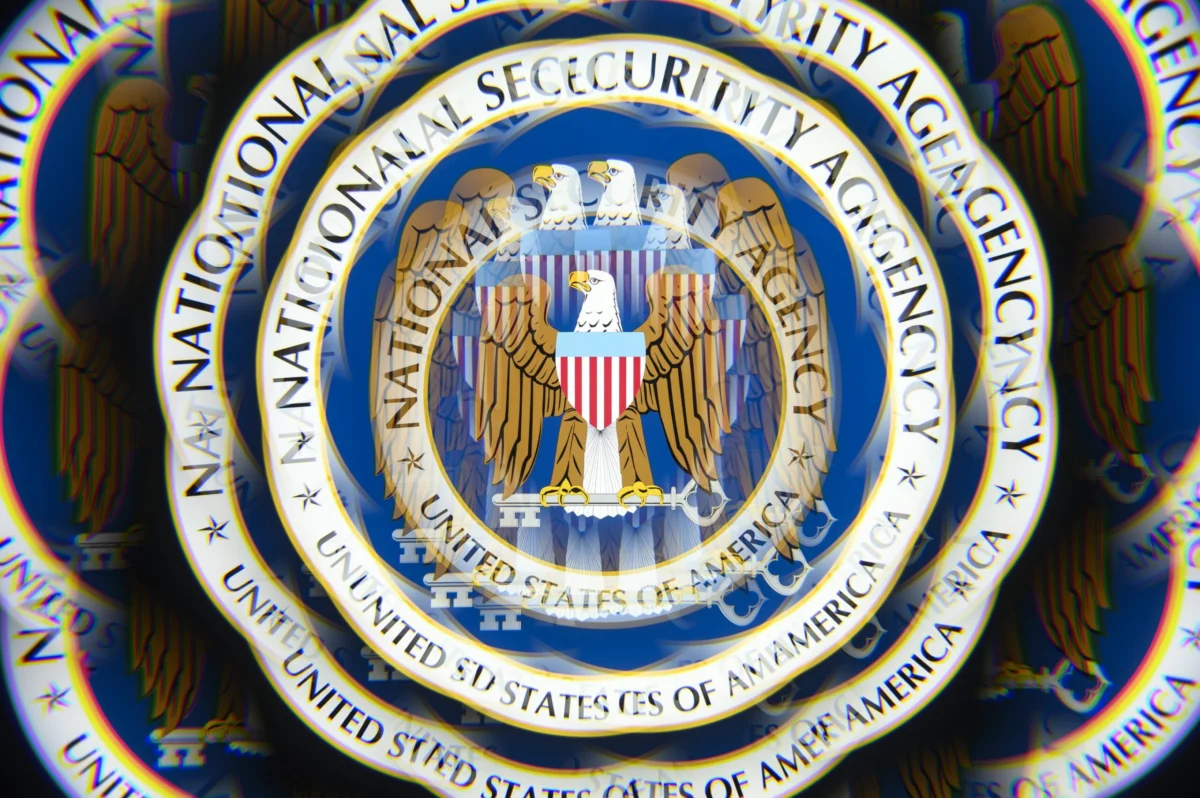
Earlier this week, an internal communications system at the National Security Agency (NSA) experienced a sudden, severe outage. Simultaneously, major financial institutions—including Bank of America, Wells Fargo, and JPMorgan Chase—reported catastrophic technical glitches that prevented customers from accessing funds or processing transactions. These events followed weeks of frantic mitigation efforts across the corporate landscape. Last month, Bank of America disclosed that it had hired 1,000 external contractors to supplement its 3,000 internal staffers, all dedicated solely to patching code flaws exposed by cutting-edge AI models, such as Anthropic’s Mythos.
Lawmakers soon took notice. A spokesperson for Senator Mark Warner’s office told reporters that the botched implementation of AI-driven patches directly caused the NSA communication blackout and the nationwide banking outages. The Washington Sun subsequently reported that bank executives and NSA representatives briefed Congress, confirming that rapid, automated software patches were indeed the root cause of the disruptions.
"It feels like every day brings another reminder that AI is moving faster than our ability to manage its consequences," Senator Warner warned in a formal statement.
The Core Dilemma: Machine Speed Versus Human Infrastructure
At the heart of the crisis lies a fundamental mismatch in velocity. Modern AI cybersecurity models can analyze millions of lines of code, diagnose architectural flaws, and recommend comprehensive security patches in mere seconds. However, the human engineers tasked with reviewing, approving, and deploying these fixes operate at a vastly slower pace, while legacy operational pipelines were never engineered to absorb such a high volume of continuous change.
Amit Shah, founder and CEO of InstaLILY AI, highlights the critical blind spot in current deployment methodologies. "The AI finds a vulnerability in seconds and may not know what else breaks when you fix it," Shah explains. "The person approving the patch sees a recommendation, not the systems it touches. So a tool built to prevent outages can end up causing them."
This sentiment is echoed by Jeff Collins, CEO of IT technology platform WanAware. Collins points out that widespread anxiety over the "theoretical risk of a breach" has triggered a desperate corporate rush to eliminate every minor software flaw. "AI now discovers vulnerabilities at machine speed while our testing and deployment safeguards remain stuck at human speed," Collins notes, adding that the ultimate failure lies in "plugging a hyper-fast diagnostic engine into legacy operational pipelines never built to absorb that velocity of change."
The sheer volume of flagged vulnerabilities has overwhelmed IT departments globally. Nikesh Arora, CEO of Palo Alto Networks, took to social media to address the crisis, stating that the recent outages are a direct consequence of a "deluge of patches." Balancing the existential mandate to block AI-assisted hacks with the physical limitations of staff bandwidth has left organizations with no easy answers.
Cliff Steinhauer, Director of Information Security and Engagement at the National Cybersecurity Alliance, elaborates on the operational bottleneck. "The issue is that the volume of issues we’re fixing is so large that it’s pressuring our staff to apply large amounts of fixes that can break things," Steinhauer explains. "We don’t always have time to fully test every update because there are so many, and attackers can pick up the known vulnerabilities and exploit them."
Despite the immediate chaos, Steinhauer views this turbulent period not as an implementation failure, but as an unavoidable growing pain in the evolution of enterprise software security. He compares the current wave of disruptions to necessary road maintenance. If a transportation department discovers a structural crack in a bridge, engineers must temporarily halt traffic to perform repairs—an action that causes immediate traffic jams, but ultimately prevents a catastrophic collapse.
Industry Giants, Proprietary Tools, and Conflicting Reports
Major artificial intelligence developers have aggressively positioned themselves as the saviors of digital infrastructure, even as their tools face scrutiny for destabilizing it. OpenAI, for instance, offers specialized cybersecurity models designed to help organizations identify vulnerabilities at scale. The company has rapidly expanded enrollment in its "Daybreak" program—a strategic initiative aimed at providing vetted security professionals with powerful defensive cyber tools. OpenAI’s internal branding for the program promises to "patch the planet," utilizing advanced dashboards that classify software bugs by severity to assist teams with triage. Anthropic operates a similar initiative known as Project Glasswing.
The commercial stakes are exceptionally high. Just a week and a half prior to the recent outages, OpenAI President and co-founder Greg Brockman announced a high-profile partnership with JPMorgan Chase to deploy OpenAI models for systemic security.
However, accountability regarding specific outages remains fiercely contested. While an OpenAI spokesperson suggested that the JPMorgan Chase outage stemmed from legacy infrastructure struggling to keep pace with code modernization work, JPMorgan representatives firmly pushed back. A bank spokesperson insisted that OpenAI’s tools played no role in the incident, attributing the disruption instead to "a temporary issue related to a software bug in on-premise hardware systems" that was neither identified nor fixed via artificial intelligence.
The friction highlights a broader strategic pivot within the tech industry. Greg Brockman recently told industry analysts that cybersecurity will inevitably surpass general software coding as OpenAI’s most lucrative enterprise business line. To accelerate this transition, the company restructured its executive leadership earlier this year, appointing Dali Rajic—a seasoned enterprise cybersecurity sales executive—as its new Chief Revenue Officer.
Broader Implications and the Push for Regulatory Oversight
The recent string of technological failures has provided lawmakers with renewed ammunition to demand stricter federal oversight and standardized guardrails for automated software updates. Legislative response has been swift. Following briefings from bank CEOs and national security officials, members of Congress are actively drafting bipartisan legislation to address the systemic risks posed by automated code deployment.
Reports indicate that federal policymakers are preparing to introduce bills establishing specialized cyber and AI review boards. These proposed bodies would mandate better coordination between private enterprises and government agencies, ensuring that the rapid discovery and remediation of software flaws do not inadvertently paralyze vital public utilities, transportation networks, and financial markets.
Ultimately, the events of the past week serve as a cautionary watershed moment for the digital age. As enterprises continue to integrate autonomous intelligence into their core defensive architectures, the challenge ahead is no longer just about outsmarting malicious hackers. It is about redesigning the foundational plumbing of the global internet so that human institutions can safely harness machine-speed innovation without breaking the systems they are trying to protect.