
The global aviation sector experienced a dynamic week characterized by strategic network expansions, multi-billion-dollar fleet investments, and the forging of pivotal interline partnerships. As carriers look toward the latter half of the decade, network planners are balancing regional capacity growth with long-haul ultra-long-range connectivity. The past seven days highlighted these competing priorities, marked by Delta Air Lines releasing its projected summer 2027 international schedule, Biman Bangladesh Airlines significantly bolstering its narrowbody and widebody capabilities through a major Boeing acquisition, and a new commercial codeshare alignment between American Airlines and Starlux Airlines. Concurrently, the Qantas Group provided a definitive timeline for the resumption and enhancement of its flagship nonstop New York routing, signaling robust demand profiles for transcontinental and transoceanic travel despite ongoing supply chain constraints affecting aircraft manufacturers globally.
Delta Air Lines Unveils Forward-Looking Summer 2027 Transatlantic and Transpacific Framework
Delta Air Lines has officially outlined the preliminary framework for its summer 2027 international schedule, drawing mixed reactions from industry analysts who anticipated a more aggressive capacity rollout. The carrier’s strategic blueprint emphasizes frequency stabilization on mature European and Asian trunk routes rather than radical geographical expansion.
According to internal network filings and preliminary schedule updates released this week, Delta intends to optimize asset utilization by deploying upgraded Airbus A350-900 and Boeing 767-400ER aircraft equipped with premium configuration layouts. The decision to release a forward-looking schedule years in advance underscores the increasing complexity of slot management at heavily congested European hubs, including London Heathrow (LHR), Paris Charles de Gaulle (CDG), and Amsterdam Airport Schiphol (AMS).
Background Context and Strategic Rationale
In recent years, legacy carriers have shifted their network strategies away from speculative new-market entry toward fortified hub-and-spoke connectivity. Delta’s measured approach for summer 2027 reflects broader macroeconomic uncertainties, including fuel price volatility, inflationary pressures on labor and maintenance, and persistent delivery delays from major airframers. By focusing on high-yielding corporate and premium leisure markets, Delta aims to protect operating margins while maintaining joint-venture cooperation with its SkyTeam and trans-Atlantic partners.
Industry reactions to the announcement have focused on the cautious nature of the growth. While frequent flyers and aviation enthusiasts often look forward to brand-new destinations, airline executives must prioritize return on invested capital. Aviation consultants note that Delta’s restrained expansion allows the airline to absorb potential macroeconomic shocks while retaining the flexibility to adjust capacity dynamically as seasonal booking curves materialize.
Biman Bangladesh Airlines Reinforces Long-Term Fleet Strategy with Expanded Boeing Commitment
In the South Asian aviation market, Biman Bangladesh Airlines has executed a significant modification to its fleet acquisition strategy by increasing its firm order commitments with Boeing. The national flag carrier of Bangladesh finalized agreements to secure additional aircraft, designed to modernize its aging fleet and support a comprehensive network expansion across Asia, the Middle East, and Europe.
The expanded order encompasses advanced Boeing widebody and single-aisle models, specifically targeting operational efficiency and reduced carbon emissions. Biman’s leadership has emphasized that fleet standardization is paramount to controlling operational expenditures, particularly regarding crew training, spare parts inventory management, and heavy maintenance scheduling.
Chronology of Fleet Modernization
Biman’s fleet renewal journey has evolved over the past decade through a series of phased acquisitions aimed at phasing out older generations of aircraft, such as the McDonnell Douglas DC-10 and early-generation Airbus models.
- 2018–2020: The airline integrated modern Boeing 787-8 and 787-9 Dreamliners into its long-haul operations, enabling non-stop service to key European points such as London Heathrow.
- 2021–2024: Pandemic-era adjustments delayed some fleet expansion initiatives, but regional routes within the Middle East and Southeast Asia maintained baseline passenger demand.
- 2025–2027 (Current Phase): Biman is solidifying delivery slots for its newly augmented Boeing order, setting the stage for network intensification over the next three to five years.
Economic Implications and Regional Connectivity
The strategic reinforcement of Biman’s fleet addresses both commercial and diaspora demands. Bangladesh maintains a substantial expatriate population residing in the United Kingdom, the Middle East, and North America. By securing modern, fuel-efficient aircraft, Biman aims to capture a larger share of point-to-point and sixth-freedom connecting traffic through its primary hub at Hazrat Shahjalal International Airport (DAC) in Dhaka.
Economic analysts point out that operating a modernized fleet significantly lowers seat-mile costs, a critical factor given the high cost of jet fuel in the South Asian region. Furthermore, the inclusion of modern cabin products allows Biman to compete more effectively against major Gulf carriers—such as Emirates, Qatar Airways, and Etihad Airways—which traditionally command a significant portion of traffic originating from the subcontinent.
American Airlines and Starlux Airlines Establish Strategic Codeshare Partnership
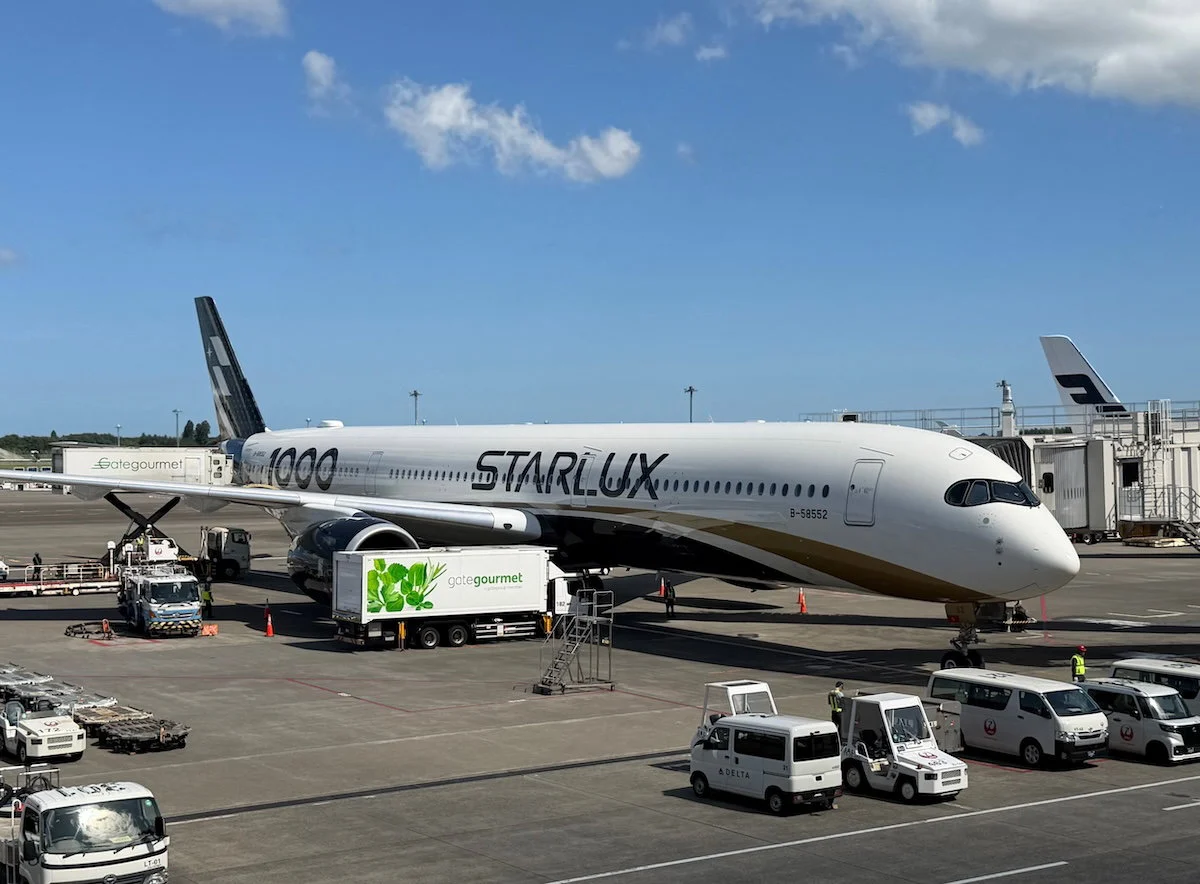
Transpacific connectivity received a substantial boost this week as American Airlines and Taiwan-based luxury carrier Starlux Airlines officially announced the launch of a bilateral codeshare agreement. This partnership bridges the extensive domestic and transcontinental network of American Airlines with Starlux’s rapidly expanding premium-focused Asian network anchored at Taiwan Taoyuan International Airport (TPE).
Under the terms of the agreement, passengers traveling on both airlines will benefit from seamless ticketing, through-checked baggage, and reciprocal frequent flyer benefits, subject to final regulatory approvals. American Airlines will place its "AA" marketing code on select Starlux-operated regional and long-haul flights, while Starlux will append its "JX" code to domestic U.S. and connecting itineraries operated by American out of key gateways like Los Angeles (LAX), San Francisco (SFO), and Seattle (SEA).
Operational and Market Implications
The partnership is strategically timed to capitalize on the robust recovery of corporate and leisure travel between North America and East Asia. Starlux Airlines, founded in 2018 by Chang Kuo-wei, has positioned itself as a boutique luxury carrier operating an all-Airbus fleet consisting of A321neos, A330neos, and flagship A350-900s.
For American Airlines, the alliance provides a valuable offline feed into Taiwan and secondary markets in Southeast Asia without requiring direct capital expenditure or deploying its own widebody aircraft into the highly competitive Taipei market. Conversely, Starlux gains immediate access to American’s deep hinterland traffic, allowing travelers from interior U.S. cities to connect onto Starlux’s modern widebody aircraft via West Coast gateways.
Aviation analysts note that this partnership reflects a broader trend of mid-sized, premium-focused Asian airlines partnering with major U.S. legacy carriers to counter dominant joint-venture alliances. The consumer impact is expected to be positive, fostering greater fare transparency, enhanced schedule alignment, and expanded redemption opportunities for loyalty program members.
Qantas Establishes Definitive Timeline for Nonstop New York Services
The Qantas Group has provided the official timeline for its highly anticipated nonstop services connecting Australia to New York, marking a milestone in ultra-long-range commercial aviation. Following years of meticulous planning, regulatory scrutiny, and specialized aircraft development, the airline confirmed the operational schedule for its transcontinental routes designed to link the Australian eastern seaboard directly with the United States East Coast.
The realization of this service relies heavily on specialized ultra-long-range aircraft modifications, specifically tailored to handle block times exceeding 19 hours. Qantas leadership has coordinated closely with pilot unions, medical researchers, and aviation regulators to establish crew rostering protocols, fatigue management systems, and passenger wellness initiatives tailored to the physiological demands of ultra-long-duration flights.
Chronology of the Project Sunrise Initiative
- 2017–2019: Qantas conducted initial research flights under the banner of "Project Sunrise," operating test routes from New York and London directly to Sydney using Boeing 787-9 delivery aircraft.
- 2022: Following a pandemic-induced hiatus, Qantas officially committed to the Airbus A350-1000ULR, placing a firm order for specialized aircraft featuring an optimized layout designed to maximize passenger comfort on marathon flights.
- 2024–2026: The airline navigated supply chain adjustments, cabin interior manufacturing timelines, and crew training frameworks.
- 2027 and Beyond: The definitive launch timeline set this week establishes the operational window for commercial introduction, positioning Qantas to capture high-yield executive travel between financial capitals.
Economic and Operational Analysis
Operating a commercial flight of nearly 20 hours introduces complex economic variables. Fuel burn optimization, payload restrictions, and high capital costs associated with ultra-long-range aircraft require premium yield structures to ensure profitability. To offset these costs, Qantas has dedicated significant floor space to First Class, Business Class, and a dedicated "Wellbeing Zone" in the economy cabin, catering to passengers willing to pay a premium for time savings.
Industry observers emphasize that successful implementation of Project Sunrise will redefine long-haul network capabilities. If Qantas proves the commercial viability of ultra-long-range point-to-point operations on these scales, other global network carriers may reevaluate their own transoceanic strategies, potentially bypassing traditional connecting hubs in the Middle East and West Coast North America.
Broader Industry Trends and Future Outlook
The developments observed over the past week illustrate an aviation sector focused on disciplined growth, operational efficiency, and strategic alignment. While airlines continue to grapple with external headwinds—including geopolitical tensions affecting airspace routing, environmental compliance mandates, and ongoing aerospace manufacturing bottlenecks—commercial strategies remain firmly oriented toward premium demand capture and network fortification.
As carriers refine their long-term schedules looking toward the end of the decade, the balance between capacity deployment and yield management will remain critical. The integration of advanced widebody equipment by carriers like Biman Bangladesh, the cautious horizon planning demonstrated by Delta Air Lines, the niche alliance-building of American and Starlux, and the frontier-pushing ultra-long-range ambitions of Qantas collectively underscore a resilient and evolving global aviation landscape. Stakeholders across the travel, tourism, and manufacturing sectors will continue to monitor these developments closely as airlines adapt to shifting consumer preferences and economic realities.









Leave a Reply