
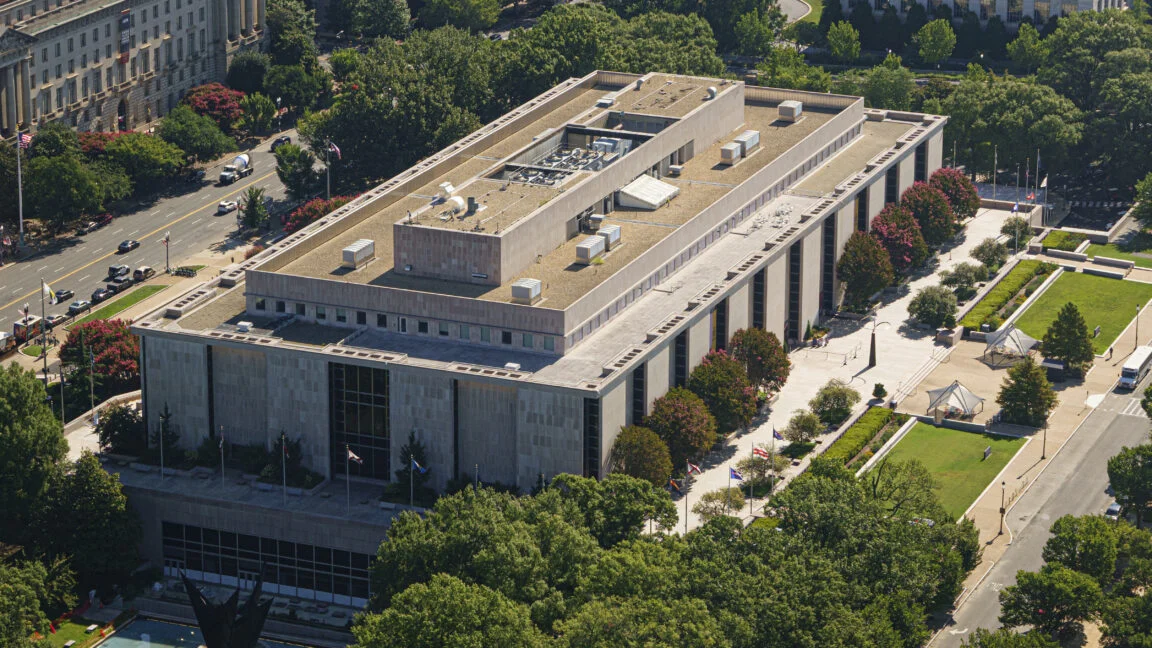
The Smithsonian Institution, globally renowned as the world’s largest museum and research complex, finds itself at the center of an unprecedented political storm. Long celebrated as a bipartisan sanctuary preserving the historical, scientific, and cultural heritage of the United States, the 171-year-old institution is now facing intense pressure from the Trump administration, congressional inquiries, and executive orders. At the heart of the conflict is a fundamental debate over how American history should be curated, taught, and remembered as the nation approaches its 250th anniversary.
A Legacy of Institutional Independence Under Fire
For decades, the Smithsonian managed to navigate the turbulent waters of American politics with relative immunity. Comprising 21 museums, the National Zoo, and numerous research facilities, the institution draws approximately 15 million visitors annually. While isolated controversies—such as the fierce 1995 debate over the National Air and Space Museum’s planned Enola Gay exhibition—occasionally tested its standing, the Smithsonian retained broad bipartisan support.
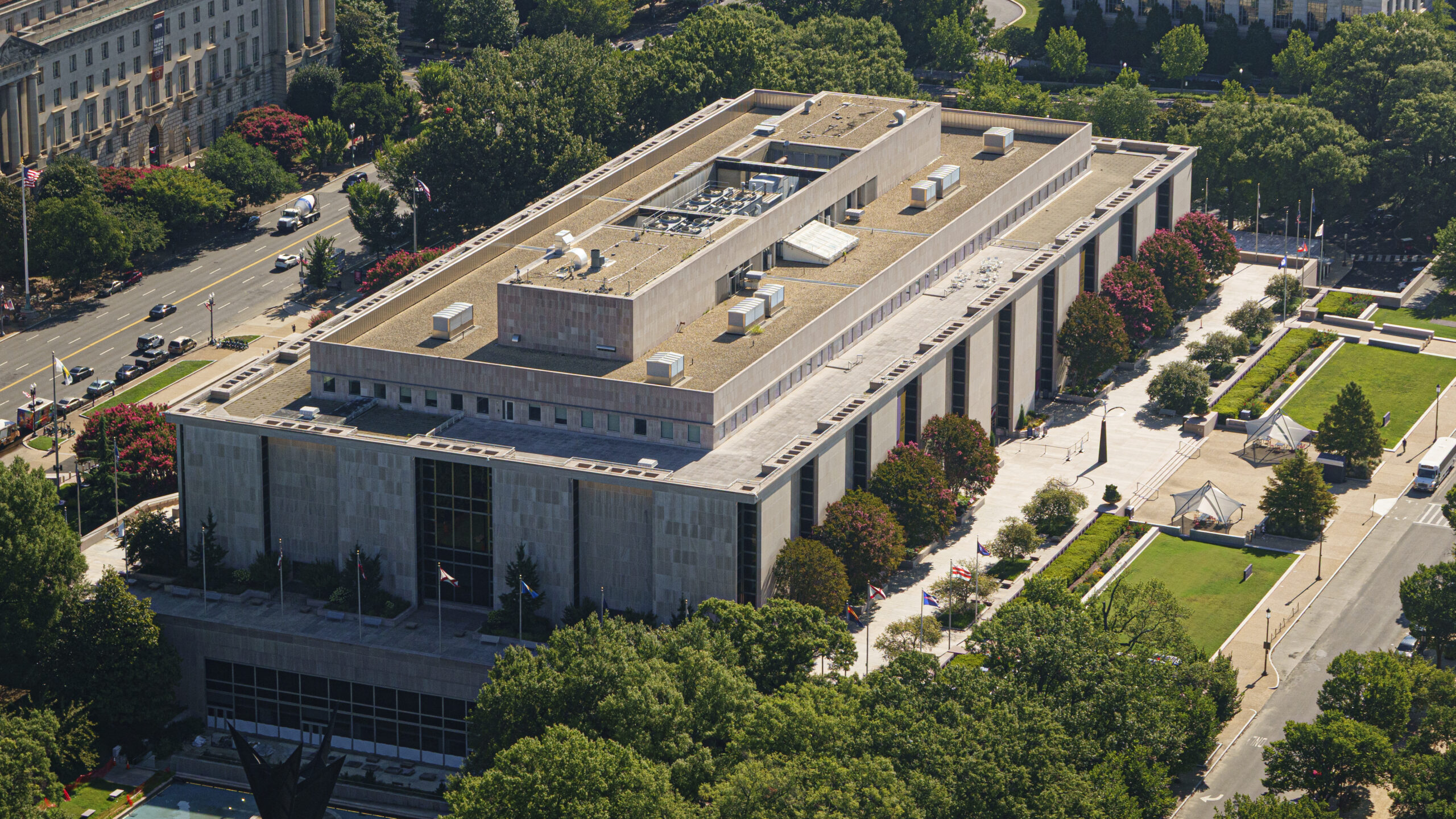
That institutional exceptionalism has dissolved. The friction escalated in March 2025, when President Donald Trump signed an executive order alleging that the Smithsonian had succumbed to a "divisive, race-centered ideology." This friction culminated on July 4, 2025, when the White House released a scathing 162-page report titled Saving America’s Story. The document argued that the National Museum of American History had drifted away from objective scholarship toward "extreme political activism."
Chronology of a Mounting Conflict
The current crisis did not emerge overnight; rather, it is the product of years of shifting internal priorities intersecting with rapidly evolving national politics.
- 1964: The National Museum of History and Technology opens on the National Mall, initially designed to showcase American technological ingenuity alongside general history.
- 1980: The facility is officially renamed the National Museum of American History, though the tension between technological curation and narrative storytelling persists.
- 2002: Following a scathing critique by external commentators, a blue-ribbon commission led by Richard Darman recommends a structural transformation to balance national achievements with historical shortcomings.
- 2020: The COVID-19 pandemic and subsequent nationwide racial justice protests following the murder of George Floyd prompt the Smithsonian to launch diversity, equity, accessibility, and inclusion (DEAI) initiatives under Secretary Lonnie Bunch.
- March 2025: President Trump signs an executive order directing Vice President J.D. Vance to purge "improper ideology" from the institution.
- July 2025: The White House releases its comprehensive report criticizing specific exhibits, followed immediately by back-to-back congressional hearings featuring hostile questioning of museum leadership.
- September 2025: Facing mounting political pressure, budget threats, and intense institutional stress, Smithsonian Secretary Lonnie Bunch announces his resignation at age 73.
Contested Exhibits and Ideological Fault Lines
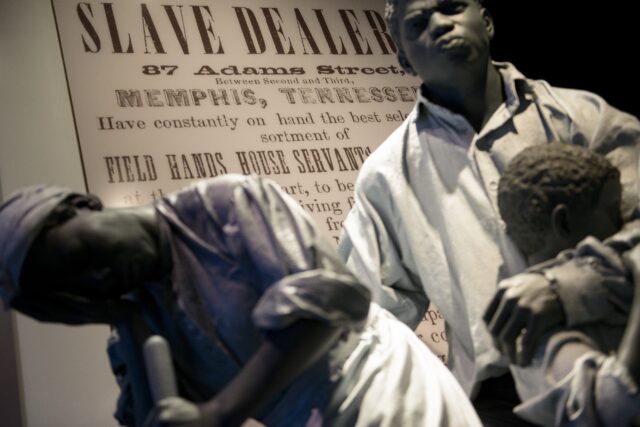
The White House report and Republican lawmakers have targeted specific curatorial decisions made over the past several years, pointing to them as evidence of ideological capture. Among the focal points is an exhibition titled "The Electric Dr. Franklin," which opened in November 2021. The exhibit explored Benjamin Franklin’s scientific achievements while highlighting that his work was partially enabled by enslaved laborers in his household, even suggesting that enslaved individuals may have been subjected to electrical experiments.
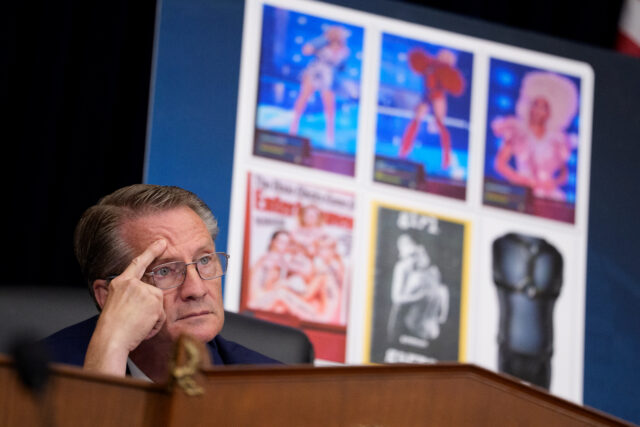
Other exhibits singled out in the federal report include "Girlhood (It’s Complicated)," which featured a young girl’s diary entries concerning physical development, and a display on LGBTQ+ history that incorporated a two-piece chrome and rubber sadomasochistic harness. Critics argue that these displays emphasize niche cultural grievances and mature themes at the expense of a cohesive, unifying national narrative.
Conversely, defenders of the Smithsonian maintain that modern historical scholarship requires nuance, incorporating the darker chapters of the nation’s past—such as slavery and systemic inequality—alongside its triumphs. Proponents of the institution argue that omitting these realities would constitute a failure of historical integrity.
Congressional Showdowns and Leadership Turnover
The legislative branch has escalated the pressure through aggressive oversight. In late July 2025, the House Oversight Subcommittee on Delivering on Government Efficiency and the House Administration Committee held turbulent hearings. Anthea Hartig, director of the National Museum of American History, faced intense questioning from Republican lawmakers regarding staff training toolkits, land acknowledgments, and controversial artifacts.

While Republican representatives condemned the institution’s direction as partisan and inappropriate for family audiences, Democratic lawmakers fiercely defended the museum’s autonomy. Figures such as Yale historian David Blight testified in defense of the Smithsonian, drawing sharp warnings against political interference in cultural institutions.
The political fallout has already impacted leadership. Following the departure of National Portrait Gallery Director Kim Sajet earlier in the year, Smithsonian Secretary Lonnie Bunch stepped down in September 2025. Bunch, the first African American to lead the institution, cited extreme stress as a primary factor in his decision to leave.
Broader Implications for American Cultural Institutions
The battle over the Smithsonian carries significant implications for the governance of public trusts in the United States. As an independent establishment relying on federal funding for roughly 62% of its annual budget—amounting to over $1 billion—the institution is structurally vulnerable to legislative and executive pressure.
With multiple vacancies on the Board of Regents, the selection of new leadership will heavily influence the Smithsonian’s trajectory. Observers note that the outcome of this culture war will establish a precedent for how federally funded cultural centers balance patriotism, historical critique, and political neutrality. As the nation reflects on its 250th anniversary, the fundamental question remains unresolved: who ultimately decides how America’s story is told?









Leave a Reply