NASA has officially inaugurated a new strategic initiative to overcome the significant technical and fiscal hurdles currently facing the Mars Sample Return (MSR) program. Known as the Perseverance Sample Retrieval Architecture (PSRA), this initiative represents a critical pivot for the space agency as it seeks to secure the return of high-value geological specimens collected from the Jezero Crater. The announcement, delivered by Tiffany Morgan, director of the NASA Mars Exploration Program (MEP), during a virtual meeting of the Mars Exploration Program Analysis Group (MEPAG) on November 9, signals a disciplined effort to refine the mission’s architecture after previous iterations proved too costly and complex to sustain.
The MSR mission remains one of the most ambitious scientific endeavors in human history. Its core objective is to retrieve the sealed tubes of Martian rock, regolith, and atmospheric gas currently being curated by the Perseverance rover, which has been operational on the surface of the Red Planet since its landing in February 2021. These samples are considered essential for addressing fundamental questions regarding the potential for ancient life on Mars and understanding the planet’s evolutionary history.
The Evolution of the Mars Sample Return Program
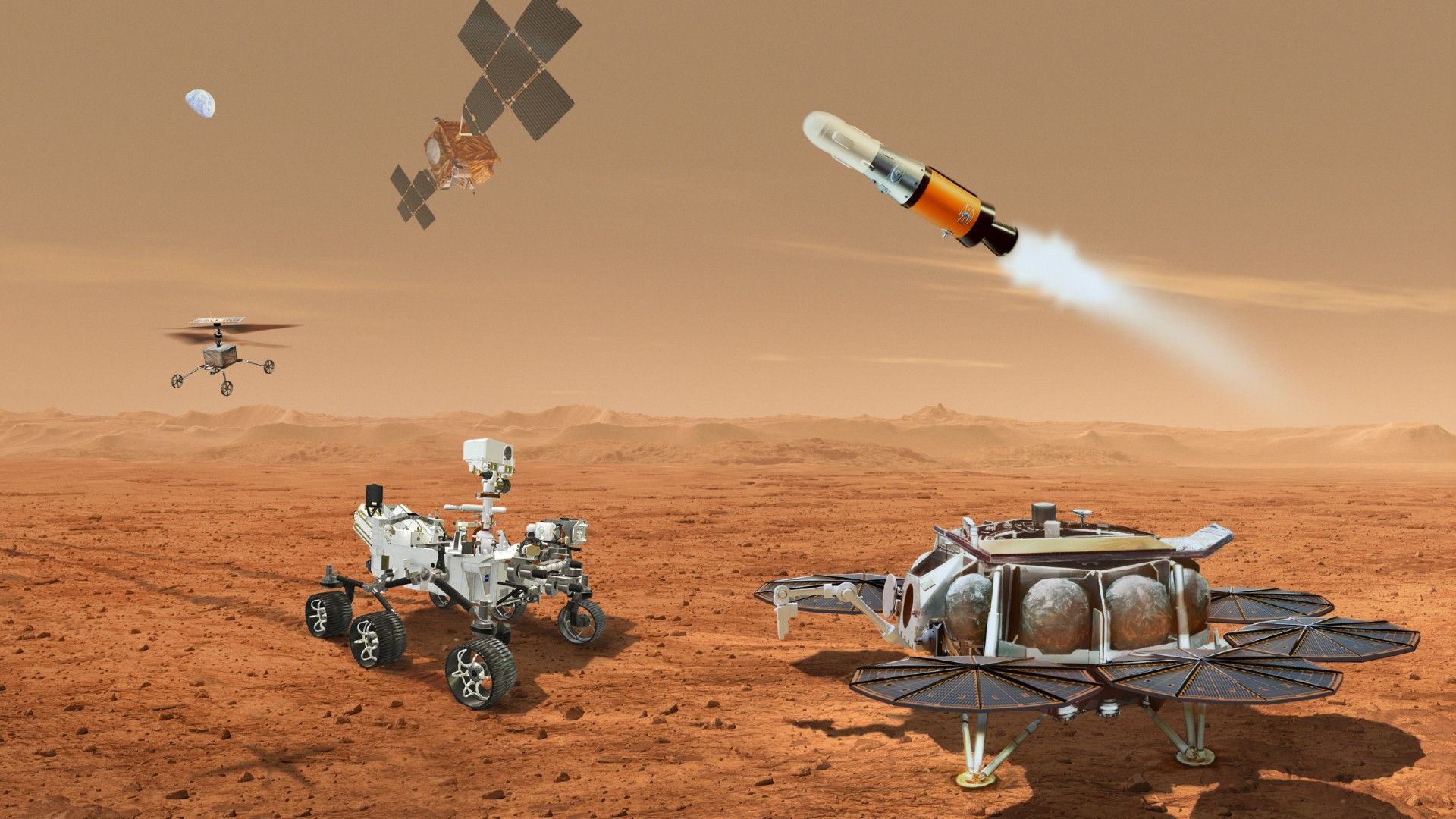
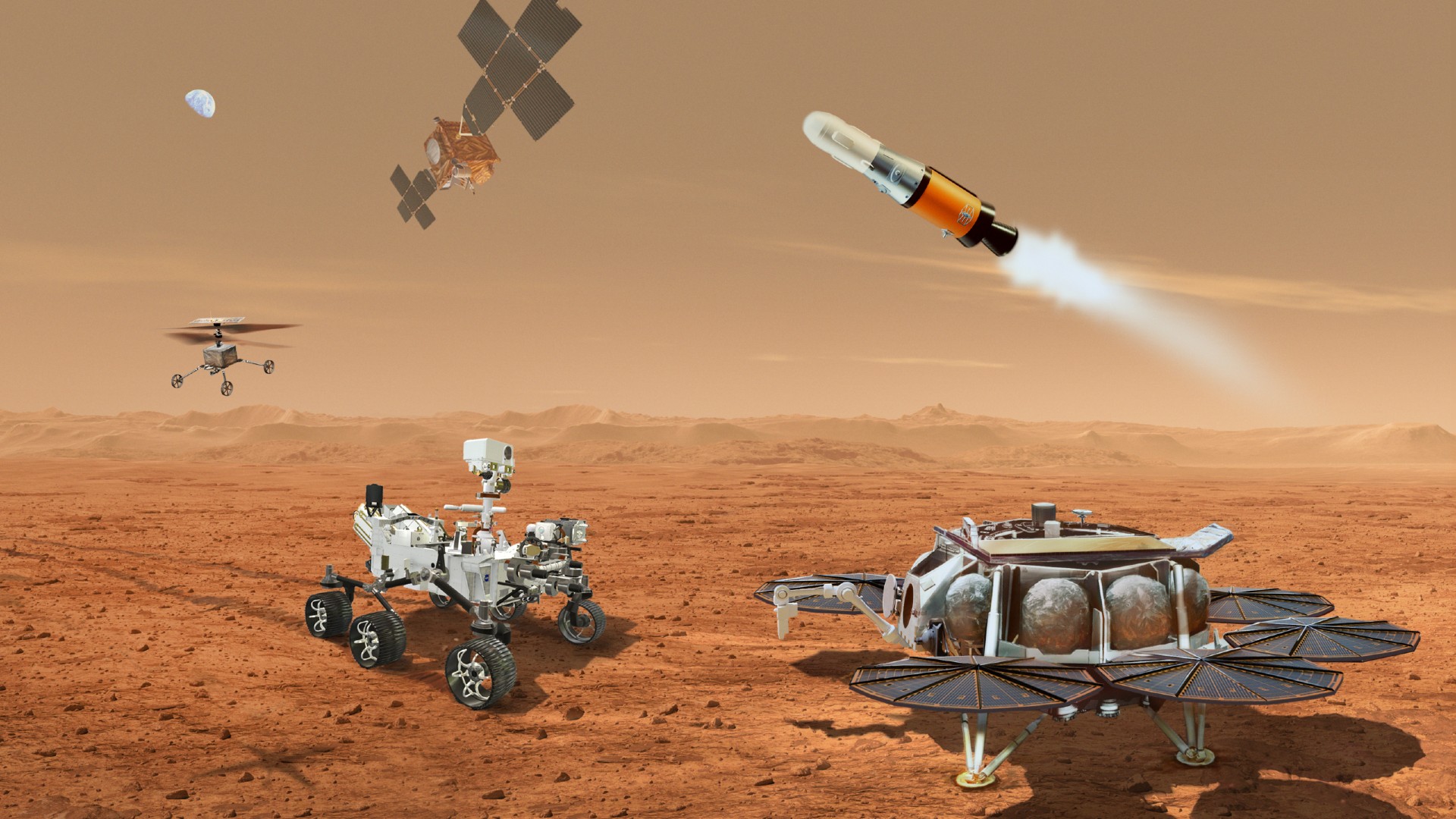
For over a decade, NASA and the European Space Agency (ESA) have collaborated on a complex multi-stage architecture designed to return Martian materials to Earth. The original concept involved a sophisticated multi-launch campaign: a lander to retrieve the samples, a Mars Ascent Vehicle (MAV) to launch the payload into orbit, and an Earth Return Orbiter to intercept and carry the cargo back to Earth.
However, the program has faced intense scrutiny from both internal review boards and independent evaluators. An independent review board commissioned by NASA previously estimated that the program could cost as much as $11 billion and would not deliver samples to Earth until 2040. These projections, characterized by significant "sticker shock," led NASA leadership to declare the previous mission architecture untenable, prompting the agency to seek innovative alternatives that could balance scientific requirements with budgetary reality.
Under the new PSRA mandate, NASA is establishing a dedicated strategy team to assess how to best leverage existing assets—namely the Perseverance rover—while minimizing the risks associated with the complex launch and retrieval hardware required for the mission. The kickoff for this strategy team is scheduled for January 2027, with a final report and architectural roadmap expected in the winter of 2027-2028. This deliberate timeline suggests that NASA is prioritizing a methodical re-evaluation to ensure the long-term feasibility of the program before committing to a new multi-billion-dollar expenditure.
Perseverance: A Record of Scientific Curation
The success of the future sample return mission hinges entirely on the ongoing work of the Perseverance rover. Since landing in the Jezero Crater, a site believed to be an ancient river delta, the car-sized robot has been actively exploring the terrain and identifying scientifically significant targets.
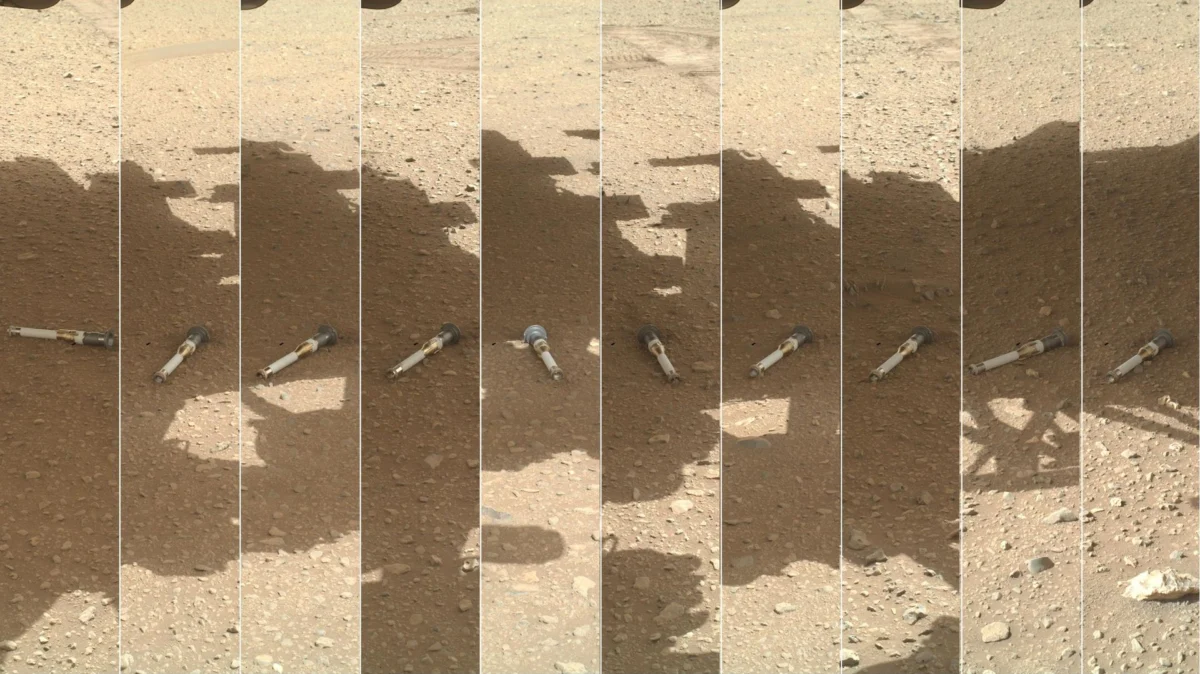
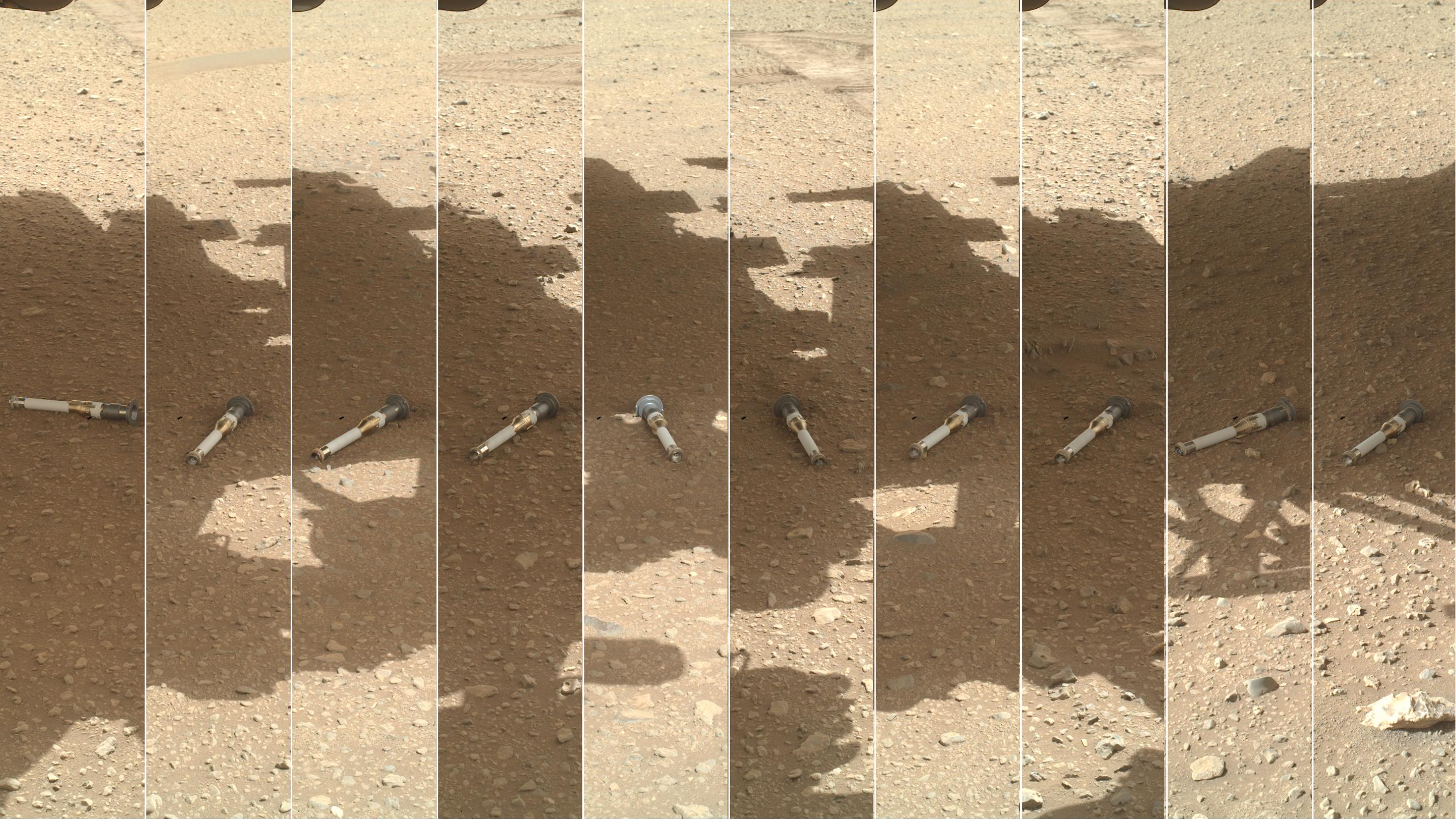
Perseverance employs a sophisticated caching system, which includes hermetically sealed titanium tubes designed to protect the samples from contamination and environmental degradation. To date, the rover has deposited a "sample depot" at a location known as Three Forks, serving as a redundant cache that could be accessed by a future retrieval mission. Simultaneously, the rover continues to carry a selection of samples within its internal bays.
The geological diversity of these samples is unprecedented. They include igneous rocks that provide insights into Mars’ volcanic history and sedimentary rocks that may harbor signatures of ancient organic matter. By analyzing these materials in Earth-based laboratories—which offer capabilities far beyond what can be miniaturized for a rover—scientists hope to definitively answer whether Mars ever supported life.
Human Exploration and the Safety Imperative
While the scientific value of the samples is the primary driver for the mission, there is an equally pressing pragmatic justification: the safety of future human explorers. During the recent MEPAG meeting, Dr. Bruce Jakosky of the University of Colorado Boulder highlighted the findings of a May workshop organized by Explore Mars, Inc. The workshop’s report shifted the focus of MSR from purely scientific inquiry to risk mitigation for human missions.
"The purpose is to understand the risk to astronauts and to hardware," Dr. Jakosky explained. The Martian environment presents unique hazards, including the presence of perchlorates and chloromethanes in the surface soil. These compounds are potentially toxic if inhaled or ingested by human crews. Furthermore, the pervasive nature of fine Martian dust poses a significant risk to mechanical systems, including airlocks, life support systems, and pressurized suits.
Returning samples to Earth allows for a controlled analysis of the physical and chemical properties of this dust. By understanding how these particles interact with biological tissues and mechanical surfaces in a terrestrial laboratory, NASA can develop effective mitigation strategies, such as specialized filtration systems or decontamination protocols, well before the first human crew touches down on the Martian surface.
International Competition and the Tianwen-3 Factor
The urgency behind the PSRA initiative is amplified by the accelerating progress of international competitors. The China National Space Administration (CNSA) is aggressively advancing its Tianwen-3 Mars Sample Return mission. According to current projections, China aims to launch the mission around 2028, with the goal of returning approximately 500 grams of Martian material to Earth by 2031.
The Tianwen-3 architecture is comprehensive, featuring a lander, an ascender, an orbiter, and an Earth reentry module. By utilizing heavy-lift rockets, such as the Long March-5, China is positioning itself to be the first nation to successfully return samples from the surface of Mars. The prospect of a "space race" to secure the first extraterrestrial samples adds a geopolitical dimension to NASA’s internal planning. Should China succeed in its 2031 timeline, the scientific community may find itself evaluating samples from two different regions of Mars, significantly expanding our understanding of the planet’s global geology.
The Path Forward: Economic and Technical Constraints
The challenge for the PSRA strategy team is to navigate the "to-be-determined" column regarding cost and implementation. While one independent appraisal suggested a potentially more efficient architecture could return samples by 2035 at a cost of roughly $8 billion, the feasibility of such a compressed timeline remains a subject of intense debate within the aerospace industry.
NASA’s shift toward the PSRA framework reflects a broader trend in government-led space exploration: the need to embrace modularity and cost-effective design. The agency is expected to explore partnerships with commercial space entities that have developed advanced launch and orbital maneuver capabilities since the inception of the original MSR plan.
Furthermore, the integration of lessons learned from previous Mars missions—including the Viking, Pathfinder, and Curiosity programs—will be critical. The technical difficulty of launching from the surface of Mars, which has a gravity well approximately 38% that of Earth’s, remains the primary hurdle. The MAV must be lightweight, reliable, and capable of operating in the extreme thermal environment of the Red Planet.
Implications for the Next Decade
The decision to pause and restructure the MSR program through the PSRA initiative is a testament to the high stakes of planetary science. If successful, the return of Martian samples will represent the most significant achievement in robotic exploration since the Apollo lunar missions. It would provide the raw data required to calibrate our understanding of the solar system’s early history and directly inform the safety parameters for the eventual human expansion into deep space.
However, the next three years will be decisive. As the PSRA team begins its work in 2027, the global scientific community will be watching closely. Whether through international cooperation or competitive drive, the retrieval of Martian samples is no longer a question of "if," but of "when" and "how." For NASA, the goal is clear: to ensure that when the next mission to Mars is launched, it is built on a foundation that is as fiscally responsible as it is scientifically transformative.
As the Perseverance rover continues its trek across the crater floor, bagging the history of a world that once flowed with water, the architects of the PSRA mission are tasked with ensuring that those bits of history eventually find their way into a laboratory on Earth. The outcome of this effort will likely define the trajectory of planetary science for the remainder of the 21st century.