
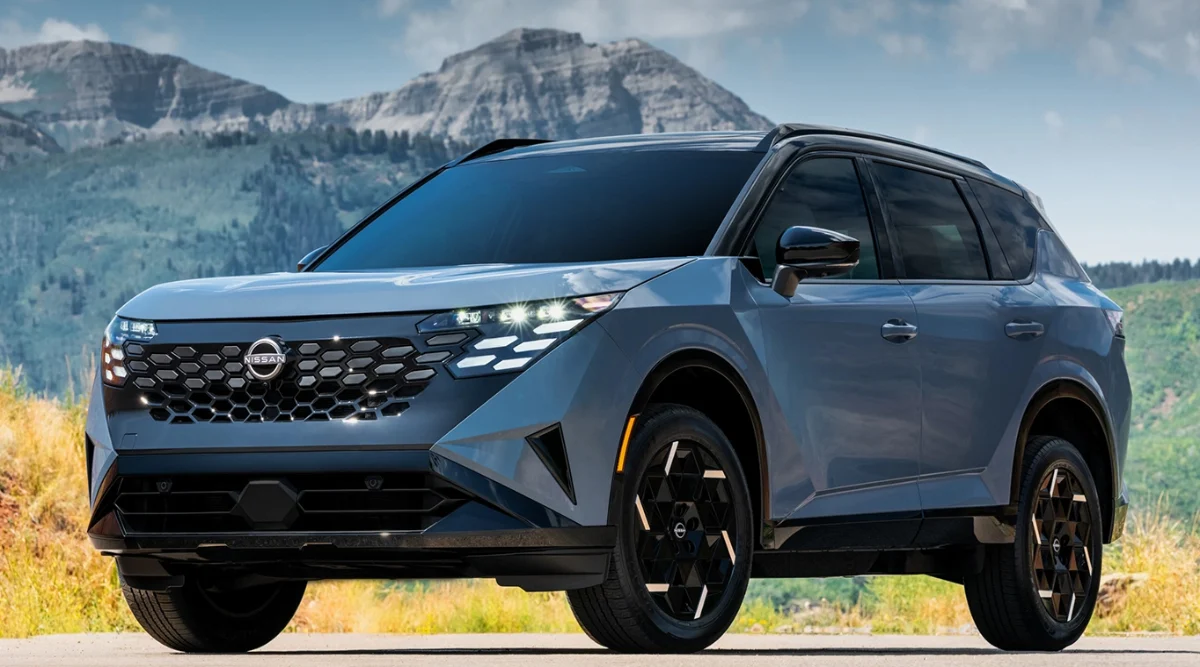
The arrival of the 2027 Nissan Rogue Hybrid marks a significant shift in the company’s North American powertrain strategy. By introducing its proprietary e-POWER system to the U.S. market, Nissan is attempting to bridge the gap between traditional internal combustion engines and the rising demand for electrified mobility. Unlike conventional hybrid configurations that rely on a mechanical connection between the engine and the drive wheels, the Rogue Hybrid utilizes a series-hybrid architecture where the gasoline engine serves exclusively as an onboard power generator.
The Mechanics of the e-POWER System
At the heart of the 2027 Rogue Hybrid is a 1.5-liter turbocharged three-cylinder engine. In this setup, the engine does not transmit torque directly to the wheels; instead, it provides power to an integrated generator, which in turn charges a 1.67 kWh battery pack. This energy is then delivered to dual electric motors, providing the vehicle with a driving experience characterized by the instant torque and near-silent operation typical of battery-electric vehicles (BEVs).
Because there is no traditional transmission, the vehicle eliminates common mechanical friction points. The powertrain is further refined by Nissan’s new "Smooth Stop" technology. This system automatically modulates brake pressure as the vehicle comes to a complete halt, intended to reduce the "head-toss" sensation often experienced by passengers during aggressive deceleration. Furthermore, the inclusion of "e-Pedal" technology allows for significant regenerative braking, enabling one-pedal driving that harvests kinetic energy to replenish the battery during routine operation.
A Historical Perspective on Series-Hybrid Technology
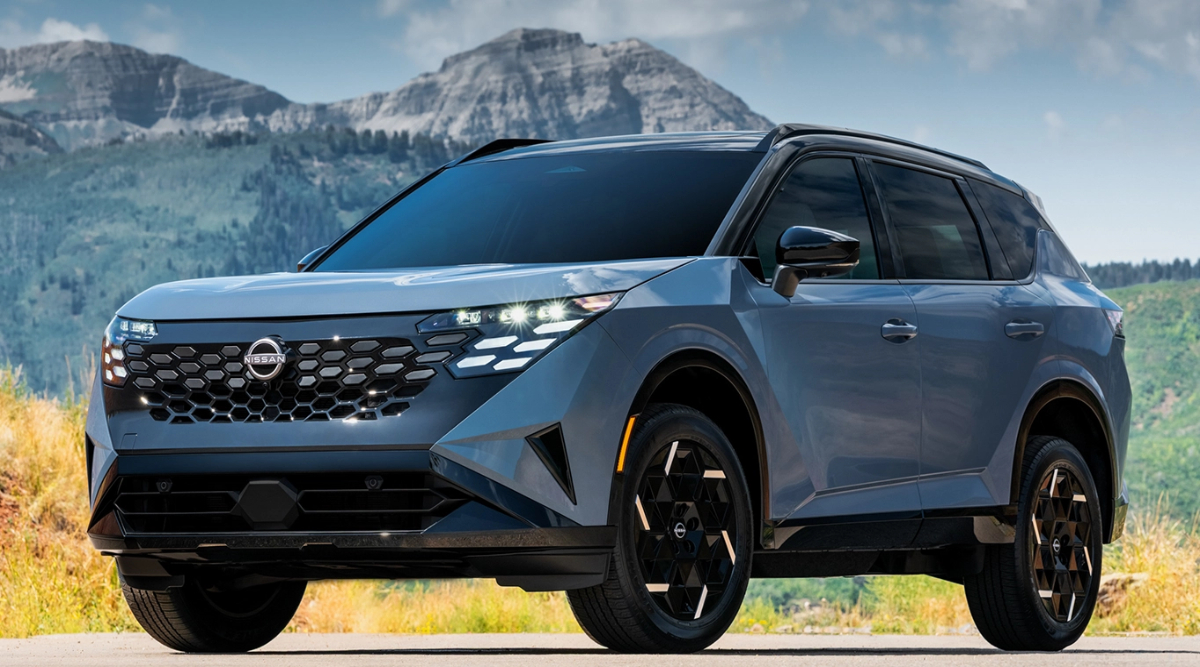
Nissan’s deployment of e-POWER is not a new venture globally; the company has been refining this technology since its introduction in the Japanese market in 2016. Over the past decade, the automaker has successfully scaled this platform, reporting more than 4 million units sold across 68 countries. However, the 2027 Rogue Hybrid represents the first time this specific technological iteration has been brought to the United States.
Market analysts have frequently drawn comparisons between the Rogue’s e-POWER system and the legacy of the Chevrolet Volt. The Volt, which ceased production several years ago, featured a 17 kWh battery capable of approximately 50 miles of pure electric driving, effectively functioning as a plug-in hybrid electric vehicle (PHEV). The Rogue Hybrid, conversely, is a non-plug-in series hybrid. With a significantly smaller battery capacity of 1.67 kWh, it cannot match the electric-only range of a true PHEV. This fundamental difference underscores the distinction between Nissan’s current offering and the electric-first philosophy of early plug-in pioneers.
Efficiency Metrics and Performance Data
Nissan’s internal testing data suggests that the 2027 Rogue Hybrid will achieve an estimated 40 mpg in city driving, 36 mpg on the highway, and 38 mpg combined. While these figures represent a competitive efficiency rating for a mid-size SUV, they remain subject to official confirmation by the U.S. Environmental Protection Agency (EPA).
The powertrain’s output is delivered through a dual-motor configuration. The front electric motor provides 202 horsepower and 242 lb-ft of torque, while the rear motor contributes 134 horsepower and 144 lb-ft of torque. It is important to note that the total system output—rated at 225 horsepower—is not a simple summation of individual motor ratings, but rather a calculation of the peak power available under specific discharge conditions from the battery and generator combination.

Official Responses and Strategic Positioning
Ponz Pandikuthira, the chief product and planning officer for Nissan Americas, highlighted the strategic intent behind this model during the product unveiling. "The all-new Rogue Hybrid is exactly what customers have been asking for: the functionality, technology, and packaging of a Rogue, now paired with an advanced hybrid powertrain that enhances efficiency while delivering a dynamic driving experience," Pandikuthira stated. He emphasized that the company’s focus was on listening to consumer needs, specifically regarding the demand for an "agile and spirited" driving experience that does not sacrifice the utility of a traditional SUV.
From a corporate standpoint, Nissan is positioning the Rogue Hybrid as a transitionary technology for consumers who may not yet be prepared for the infrastructure requirements of a fully electric vehicle but still desire the immediate performance benefits of an electrified powertrain.
Pricing and Market Availability
The 2027 Rogue Hybrid is set for a staggered rollout starting in the fall of 2026. The initial release will feature the SR trim with the Tech Package, with additional trim levels arriving in early 2027. The pricing structure for the new lineup is as follows:
- Rogue Hybrid SV: $37,065
- Rogue Hybrid SV (with Premium Package): $39,165
- Rogue Hybrid SR: $39,065
- Rogue Hybrid SR (with Tech Package): $43,065
- Rogue Hybrid Platinum: $45,065
These prices place the vehicle in the mid-range of the current SUV segment. Whether this represents a strong value proposition will likely depend on individual consumer priorities, particularly as the automotive industry grapples with shifting fuel costs and an evolving landscape of government incentives for electrified vehicles.

Broader Industry Implications
The introduction of the Rogue Hybrid occurs at a critical juncture for the automotive industry. As major manufacturers navigate the transition toward full electrification, hybrid technologies are increasingly being utilized to maintain compliance with tightening emissions standards while providing a familiar experience to the mass market.
The challenge for Nissan will be managing consumer expectations. By labeling the vehicle as an "electric SUV experience," the company risks potential confusion among buyers who may conflate a series-hybrid with a plug-in electric vehicle. While the e-POWER system offers a more refined driving experience than traditional gas-powered vehicles, the reliance on a 1.5-liter internal combustion engine to maintain battery charge ensures that the vehicle remains a petroleum-dependent machine.
Furthermore, industry experts note that the 1.67 kWh battery is relatively small by modern standards, which necessitates frequent activation of the gasoline generator during highway driving. While this may prove efficient in stop-and-go urban environments, the long-term efficiency benefits compared to a modern, lightweight internal combustion engine or a high-capacity BEV remain a subject of active debate among energy analysts.
As the Rogue Hybrid prepares for its U.S. launch, its performance in the marketplace will likely serve as a litmus test for the viability of series-hybrid technology in a country increasingly focused on pure battery-electric adoption. The success of this model may dictate the extent to which Nissan integrates e-POWER into the rest of its North American portfolio in the coming years.










Leave a Reply