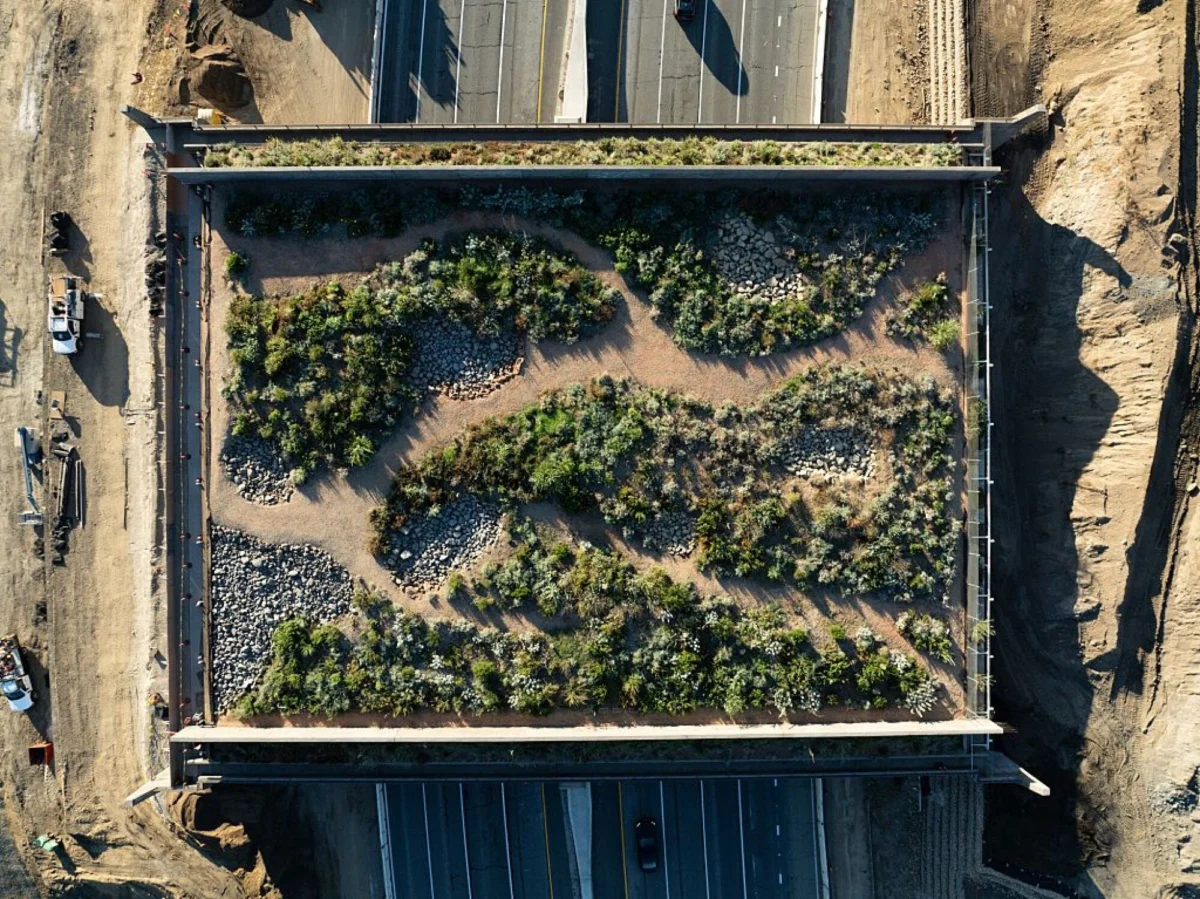
Soon, the relentless stream of traffic cutting through Los Angeles County will no longer represent an impenetrable barrier for the region’s native wildlife. The Wallis Annenberg Wildlife Crossing, a monumental feat of civil engineering and conservation, is scheduled to open on December 2. Spanning 10 lanes of the 101 freeway and an adjacent access road, this vegetated overpass serves as a critical bridge between the Santa Monica Mountains and the Simi Hills, effectively reconnecting fragmented habitats that have been severed by urban sprawl for decades.
A Decade of Planning and Development
The genesis of this project dates back over ten years, emerging from a growing consensus among environmental scientists that the 101 freeway acted as a lethal "dead zone" for local fauna. The planning phase involved an unprecedented collaboration between the National Wildlife Federation, the Mountains Recreation and Conservation Authority, and the National Park Service.
The project’s timeline has been marked by rigorous scientific study, complex engineering challenges, and a robust public-private funding model. By leveraging a combination of government grants and significant philanthropic contributions, the project secured the necessary resources to navigate the high costs associated with constructing a massive bridge over one of the busiest transportation arteries in the United States. The resulting structure is not merely a concrete slab; it is a carefully designed, earth-covered bridge intended to mimic the natural landscape, complete with native vegetation to encourage passage by wary animals.
Addressing Genetic and Geographic Isolation
The primary driver behind the construction of the crossing is the urgent need to mitigate the effects of habitat fragmentation. For years, animals such as mountain lions, bobcats, coyotes, deer, and various reptilian and avian species have faced extreme risks when attempting to cross the highway. Beyond the immediate threat of vehicular collisions, the freeway has created a "genetic island" effect.
Biologists have long warned that the restricted range caused by the freeway limits the ability of mountain lions to find mates and establish new territories, leading to inbreeding and reduced genetic diversity. By providing a safe, natural corridor, the crossing aims to facilitate the movement of these apex predators and smaller species, allowing for the natural dispersal and gene flow essential for the long-term viability of these populations. The crossing serves as a testament to the idea that urban infrastructure can be designed to coexist with, rather than suppress, the natural world.
Monitoring and Technological Integration
As the opening date approaches, the project has transitioned from a construction site to a living laboratory. Over the past several weeks, National Park Service biologists have been installing a comprehensive network of 50 high-definition wildlife cameras and four thermal video cameras along the crossing. These tools are designed to provide researchers with unprecedented insights into how wildlife interacts with man-made structures.
While the data feeds are currently restricted to researchers for security and logistical reasons, project officials have indicated that they intend to make public-facing versions of these photo streams available in the near future. This transparency is intended to foster public engagement and demonstrate the success of the project in real-time. Early monitoring has already yielded encouraging results, with a coyote recently documented traversing the unfinished path under the cover of night. This initial success, while anecdotal, has bolstered the confidence of the scientific community regarding the structure’s eventual widespread usage by larger mammals.

Scientific Optimism and Future Implications
Beth Pratt of the Wildlife Crossing Fund has noted that the project is already exceeding initial expectations. While scientists were prepared for a gradual adoption period, the early presence of coyotes suggests that wildlife may be more adaptive to the structure than previously hypothesized. The prospect of mountain lions utilizing the bridge before the official ribbon-cutting ceremony is a possibility that has generated significant excitement among researchers.
This crossing represents a potential paradigm shift in urban planning. As cities across the globe grapple with the effects of climate change and biodiversity loss, the Wallis Annenberg project serves as a model for how metropolitan areas can integrate ecological corridors into existing infrastructure. The implications are far-reaching; if successful, this project could provide the necessary data to justify similar investments in other high-traffic regions across North America.
The Broader Ecological Impact
The success of the crossing will be measured not only by the number of animals that safely navigate the bridge but by the long-term health of the species that utilize it. Scientists intend to monitor the crossing for years to come, collecting data on animal behavior, population counts, and genetic health. This longitudinal study will likely become a foundational resource for wildlife biologists working in urban environments.
Critics of such projects often point to the high cost and the potential for limited efficacy; however, proponents argue that the cost of inaction—the potential local extinction of species like the Santa Monica Mountain lion—is far higher. The project has also spurred discussions regarding the "greening" of infrastructure, encouraging engineers to consider wildlife access in future highway design and expansion projects.
Challenges and Looking Ahead
Despite the optimism surrounding the opening, the project faces ongoing challenges. Ensuring that the crossing remains an inviting, low-stress environment for wildlife will require careful maintenance and the potential implementation of light and sound mitigation strategies to minimize the influence of the freeway below. Furthermore, the success of the bridge depends on the continued preservation of the surrounding habitats; the crossing is only as valuable as the land it connects.
As the ribbon-cutting ceremony approaches on December 2, the Wallis Annenberg Wildlife Crossing stands as a monument to what can be achieved through persistent advocacy, rigorous science, and interdisciplinary cooperation. It is a bridge in the most literal sense, connecting two disparate worlds: the high-speed, human-centric environment of the 101 freeway and the quiet, rugged wilderness of the Santa Monica Mountains.
The initiative is a significant step toward redefining the relationship between human progress and the natural environment. By acknowledging that wildlife populations are an integral part of the regional landscape, Southern California has set a new standard for conservation. The coming years of monitoring will be crucial in determining how effectively this ambitious project can bridge the gap between human development and the survival of local wildlife, offering a hopeful blueprint for the future of urban ecology.
Ultimately, the Wallis Annenberg Wildlife Crossing is more than just a path for animals; it is a symbol of a broader movement toward restorative development, where human needs are addressed without compromising the essential pathways of the natural world. As the cameras start rolling and the first mountain lion or deer makes its way across the span, the world will be watching to see if this grand experiment can truly heal the scars left by a century of unchecked highway expansion.