The concept of the "singles-only" airport lounge has recently gained traction following a viral social media campaign spearheaded by professional pickleball player Shelby Bates. In a series of Instagram reels filmed at Hartsfield-Jackson Atlanta International Airport, Bates proposed the creation of exclusive lounge spaces designed specifically for single travelers, where the social contract is explicitly defined: patrons are there with the intent to meet, mingle, and potentially date. While the idea has sparked significant public debate, it highlights a growing interest in leveraging the unique, high-traffic environment of major global airports to solve the logistical challenges of contemporary dating.
The Genesis of the Airport Singles Lounge Proposal
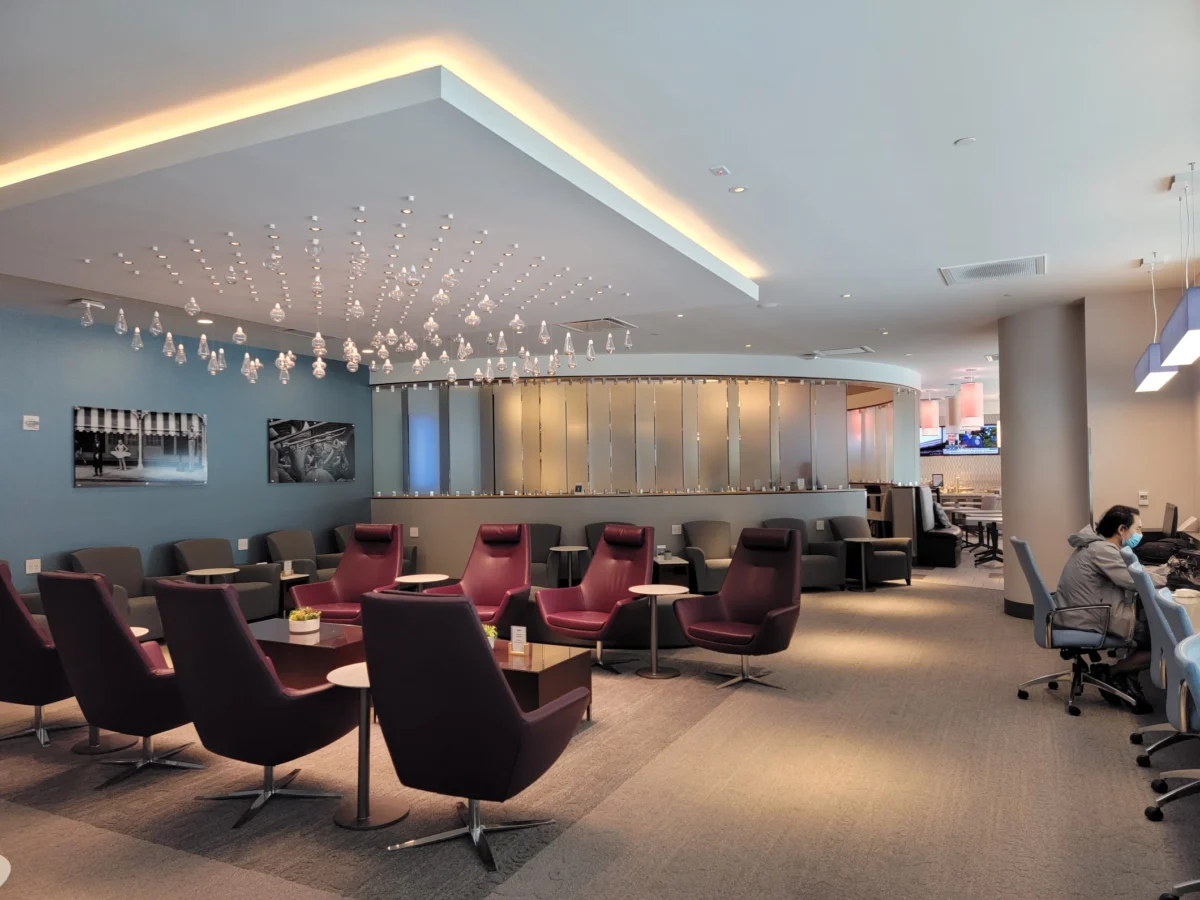
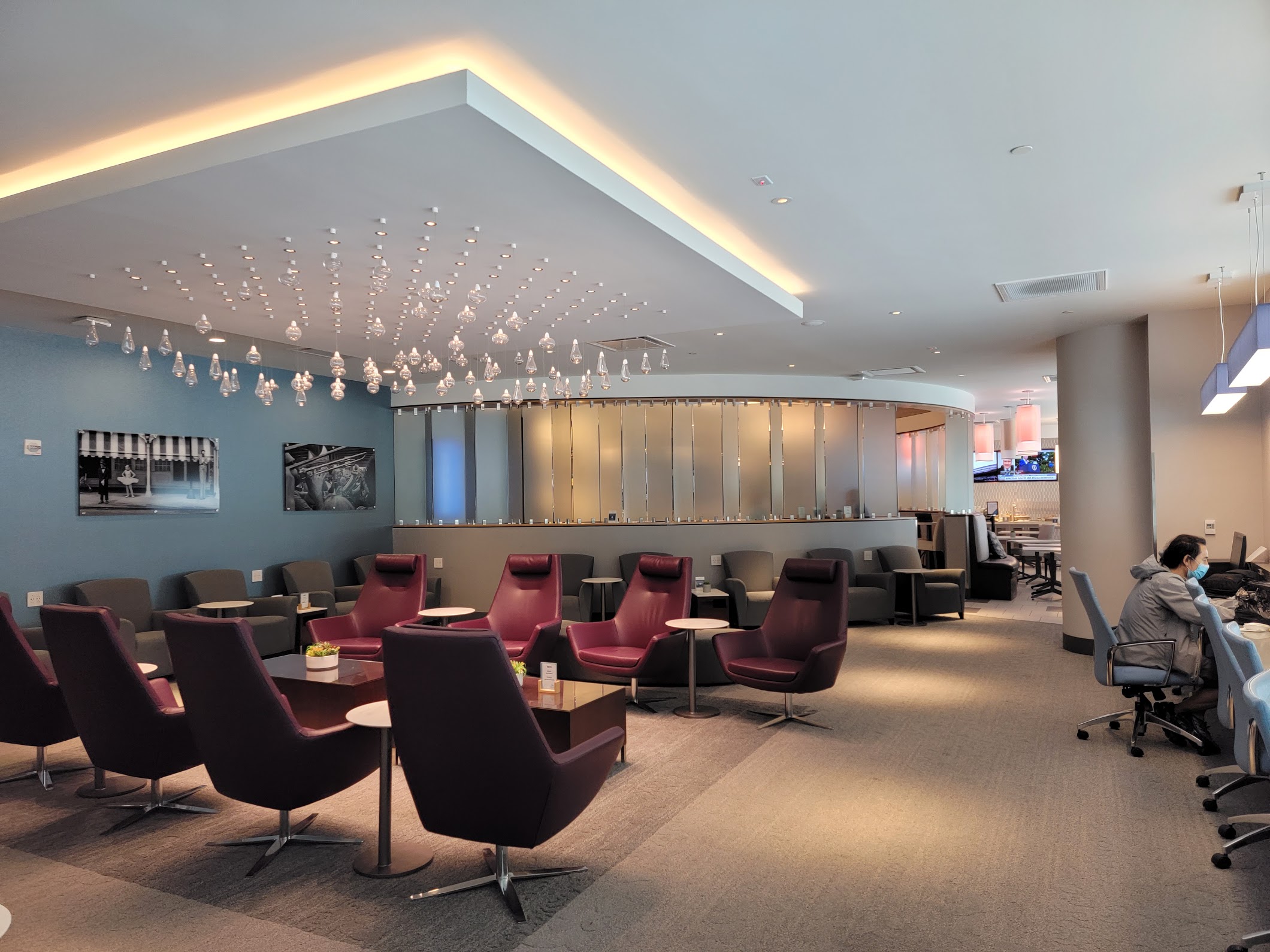
The proposition, which Bates has suggested should be piloted at major international hubs such as New York’s John F. Kennedy International Airport (JFK), Atlanta, and Los Angeles International Airport (LAX), centers on the creation of a curated social space. Unlike traditional airline lounges, which are often characterized by business-focused silence, individual screen-time, and a focus on productivity, the proposed singles lounge would feature communal dining tables, sports-oriented broadcasting, and organized social mixers or speed-dating events.
The fundamental value proposition, according to proponents, is the elimination of "social ambiguity." In traditional public spaces, the uncertainty surrounding a stranger’s relationship status and their interest in being approached creates a friction that often leads to social paralysis. By requiring an admission fee and designating the lounge as a "singles-only" zone, the venue would theoretically act as a pre-qualified social environment, signaling clearly that all attendees are open to interaction.
The Evolution of Airport Social Dynamics
Historically, airport lounges have functioned as exclusive retreats for elite-status travelers and credit card holders, providing a buffer against the chaotic atmosphere of the general terminal. However, the demographic profile of these lounges has shifted significantly over the past decade. With the proliferation of premium credit cards offering complimentary lounge access—such as the American Express Platinum or the Chase Sapphire Reserve—lounges have become increasingly crowded, leading to longer wait times and a more diverse, if less intimate, clientele.
The desire to use these spaces for social or professional networking is not new. Over the last several years, various tech startups have attempted to solve the "lonely traveler" problem through digital means. Applications such as AirDates and Wingman were early pioneers in the "travel dating" space, attempting to facilitate in-flight or in-lounge connections through proximity-based matching algorithms. Despite these technological efforts, the user experience has often been hindered by privacy concerns and the ephemeral nature of travel, where a potential connection might be moving in the opposite direction at 500 miles per hour.
Operational and Economic Challenges
While the idea of a dedicated singles lounge holds superficial appeal, industry experts point to substantial operational hurdles that make such a project difficult to implement. Airport real estate is among the most expensive and highly regulated in the world. Any operator seeking to open a specialized lounge must navigate a complex landscape of lease agreements with airport authorities, stringent TSA security requirements, and high build-out costs.
For a lounge to be economically viable, it requires a high volume of consistent, repeat visitors. Most airport lounges rely on a mix of corporate contracts and credit card partnerships to ensure steady revenue. A singles-only lounge would inherently limit its potential market to a specific demographic subset, which could jeopardize profitability. Furthermore, the "success" of such a lounge—facilitating a relationship—would theoretically result in the loss of a repeat customer, as the individual would no longer be single.
Critics also note the issue of "bad actors." Even in a curated environment, the potential for individuals to misrepresent their relationship status remains high. As noted in online discourse surrounding the proposal, the removal of a wedding ring is a low-barrier-to-entry tactic that has historically plagued singles-focused venues. Without a rigorous verification process—which would itself raise significant privacy and data security concerns—the lounge would face the same challenges as traditional bars or dating applications.
The "Pre-Qualified" Traveler Theory
Despite the challenges, there is a compelling argument for the airport as a venue for social vetting. Aviation security processes, including the Transportation Security Administration (TSA) screening and the background checks associated with programs like TSA PreCheck and Global Entry, provide a baseline of security that most public bars cannot offer.
Proponents of the singles lounge suggest that the "cost of entry" acts as a natural filter. A traveler who holds a premium credit card, maintains a membership to a lounge network, or is willing to pay a daily entrance fee generally possesses a certain level of financial stability. By placing individuals in a secure, monitored environment with an explicit social mandate, the lounge could potentially offer a higher quality of social interaction than digital dating platforms, which are often criticized for their "gamification" and lack of tangible, real-world context.
Case Studies and Previous Attempts
The travel industry has witnessed various attempts to foster social connections in the air and on the ground. In 2015, the startup Lounger introduced a concept that allowed travelers to share their guest privileges with non-members, effectively gamifying lounge access. While it garnered significant media attention, the project failed to gain long-term traction due to the logistical difficulties of matching disparate flight schedules.

More recently, the concept of "airport romance" has received mainstream attention, with major publications documenting the phenomenon of travelers attempting to spark connections in transit. The challenge remains the "coordination problem": even if two people are both single and interested in meeting others, the high-stress environment of travel—characterized by boarding calls, delays, and the need to manage luggage—often discourages social interaction.
Future Implications and Media Interest
The recent proposal by Shelby Bates has tapped into a broader cultural conversation about the state of modern dating. In an era where digital fatigue is high, there is a renewed interest in physical, curated environments that facilitate human connection. While a dedicated, permanent singles lounge may not be immediately feasible, industry analysts suggest that the concept could be tested through "pop-up" events within existing, large-scale lounge facilities.
For instance, massive, multi-level lounges like the 55,000-square-foot United Club in Houston offer the spatial flexibility to host dedicated "social zones" without excluding other travelers. By hosting periodic, ticketed events—such as "singles hours" on select evenings—operators could generate the "buzz" necessary to justify the initiative without committing to a dedicated lease.
Ultimately, the proposal serves as a barometer for current traveler sentiment. As airports continue to evolve into "destination hubs" with high-end retail, luxury dining, and expansive social amenities, the line between the terminal and the social club is blurring. Whether or not a formal singles lounge ever opens its doors, the proposal underscores a significant shift in how travelers view the time spent in transit: not merely as a waiting period, but as a legitimate space for potential life-changing connections. The success of such a venture, if realized, would likely rely on the operator’s ability to balance the exclusivity of the lounge with the chaotic, unpredictable nature of the modern traveler’s journey.