
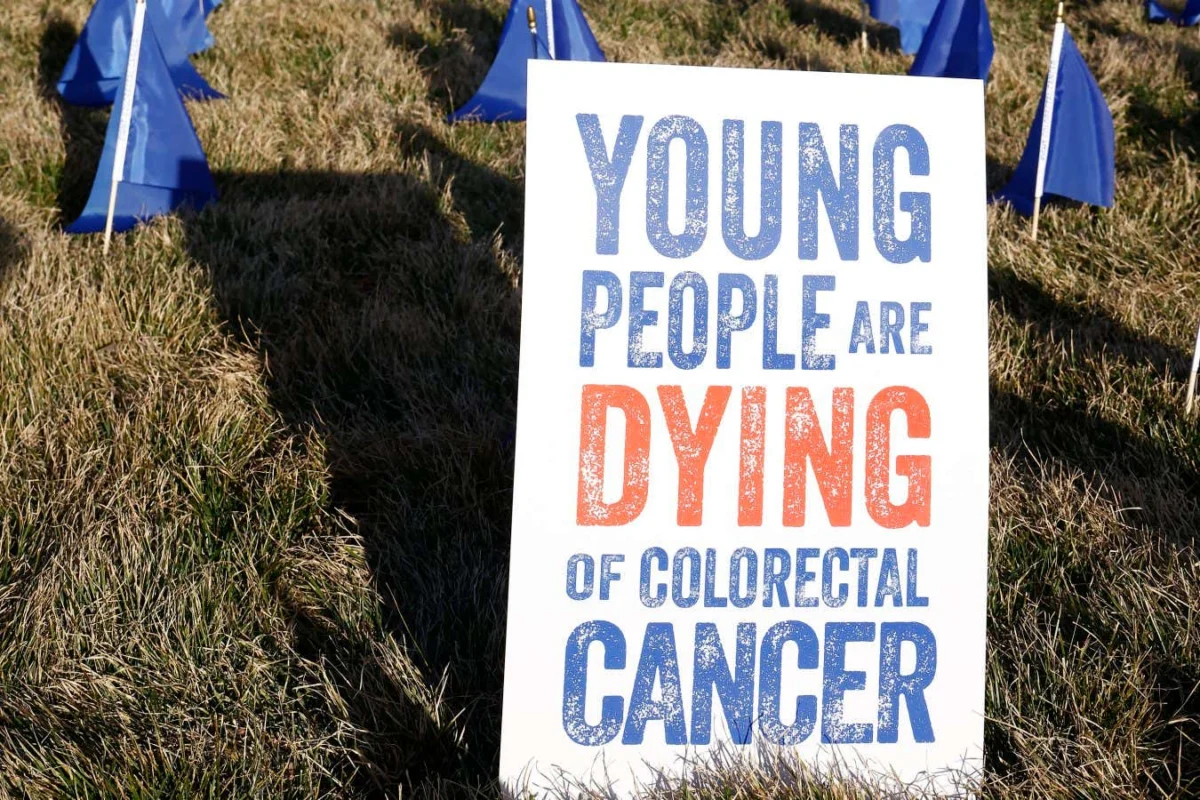
An in-depth investigation into the concerning increase of cancer diagnoses among individuals under 50 has yielded significant insights, yet has simultaneously deepened the puzzle surrounding its origins. While a recent study points to rising obesity levels as a contributing factor, researchers emphasize that this explanation accounts for only a fraction of the observed trend, leaving a substantial portion of the increase unexplained. This ongoing research effort is crucial for understanding and potentially mitigating a growing global health challenge.
The Unfolding Crisis: A Global Trend
Globally, a disquieting pattern has emerged: cancer incidence in adults under the age of 50 has been steadily climbing. This trend has been particularly pronounced for certain cancers, with colorectal cancer, also known as bowel cancer, showing a notable surge. Since the 1990s, rates of this disease have escalated by approximately 50 per cent in several developed nations, including the United States, Australia, and Canada. This escalation, observed across different continents, has galvanized the scientific community to seek definitive causes.
Unpacking the Data: A Look at England’s Trends
To illuminate this complex issue, a team of researchers led by Montserrat Garcia-Closas at the Institute of Cancer Research (ICR) in London meticulously examined cancer trends in England. Their analysis, drawing on data up to 2019, identified 11 types of cancer showing an upward trajectory in the 20 to 49 age group. The most prevalent among these are breast and bowel cancer, but the rising tide also encompasses liver, kidney, and pancreatic cancers, with annual increases ranging from a concerning 1 to 6 per cent.
A key finding of the study was the observation that for nine out of these 11 cancers, rates were also increasing in individuals aged 50 and over, often at a comparable pace. Garcia-Closas commented, "It suggests that there are some common causes underlying those increases." This shared influence implies that broader societal or environmental factors might be at play, affecting a wider demographic. However, ovarian and bowel cancer presented as exceptions, suggesting potentially distinct causal pathways for these specific malignancies.
Examining Lifestyle Factors: A Complex Interplay
The research team then delved into established behavioural risk factors for these 11 cancers, as identified by the International Agency for Research on Cancer. These factors include alcohol consumption, smoking habits, physical inactivity, body mass index (BMI), dietary fibre intake, and the consumption of processed or red meat. "These are the ones that have the strongest evidence for these associations," stated Garcia-Closas, underscoring the established links between these lifestyle choices and cancer risk.
However, the study’s findings on these risk factors presented a confounding picture. For the most part, these known contributors to cancer risk have remained stable or even shown improvement over time. The sole factor consistently deteriorating has been BMI, indicative of rising levels of excess weight and obesity.
Obesity: A Significant Piece of the Puzzle, But Not the Whole Picture
While obesity is a well-established risk factor for a multitude of cancers, the escalating rates of obesity alone fall far short of providing a comprehensive explanation for the burgeoning cancer incidence in younger populations. The study’s quantitative analysis revealed that, for instance, only an estimated 20 per cent of the increase in bowel cancers among young women could be attributed to the rise in BMI over the observed period. This statistical shortfall highlights that other, as yet unidentified, factors are significantly contributing to the observed trend.
The Search for Unseen Culprits: Emerging Hypotheses
The complexity of the issue has spurred a multi-pronged research effort. Marc Gunter, a team member from Imperial College London, described the current landscape as "a very active area of research at the moment." Beyond obesity, several other potential culprits are being rigorously investigated. These include the increasing consumption of ultra-processed foods, the pervasive presence of "forever chemicals" known as PFAS (per- and polyfluoroalkyl substances), and the potential impact of widespread antibiotic use on disrupting the delicate balance of gut microbiomes. Each of these factors, though not definitively proven as primary drivers, presents a plausible avenue for further investigation due to their widespread exposure and known biological effects.
The researchers’ analysis strongly suggests that the rise in cancers among young people is likely the result of a confluence of multiple factors rather than a single, overarching cause. Furthermore, they acknowledge the possibility that changes in diagnostic practices and increased awareness could also play a role in the observed statistical increases, although the biological impact of other factors remains a primary focus.
Contextualizing the Rise: Rarity Amidst the Increase
Amy Berrington, also from the ICR and a member of the research team, stressed the importance of contextualizing these rising trends. While the percentage increases may appear alarming, it is crucial to remember that many of these cancers remain relatively rare in younger age groups. For example, in England, the number of bowel cancer diagnoses in individuals aged 20 to 49 is approximately 3,000 per year. A 3 per cent increase, while statistically significant, translates to around an additional 100 cases annually. "These relative trends in a disease that’s still rare means that the extra number of cases is still quite small," Berrington noted. This perspective is vital for informed public understanding and targeted public health interventions.
It is also important to note what was excluded from this particular study. Cervical cancer, for instance, was not included because its rates have seen a dramatic decline in women who received the HPV vaccine in childhood, demonstrating the profound impact of preventative public health measures.
Glimmers of Hope: Stabilizing Trends and Future Interventions
In a potentially encouraging development, Berrington has been analyzing more recent data, extending up to 2023. Her preliminary findings suggest that some of the previously escalating cancer trends may be beginning to stabilize. "The trends that were increasing have begun to flatten a bit, so there’s some better news coming already," she reported.
Moreover, if rising obesity rates are indeed a partial driver of increased cancer risk in younger populations, the burgeoning use of GLP-1 weight-loss drugs, such as semaglutide, could offer a future pathway to mitigate these trends. Gunter optimistically suggested, "If obesity rates do start to decline because of the use of these drugs, that should have an effect on some of the obesity-related cancers in the future." This potential interplay between medical advancements and public health outcomes offers a ray of hope in addressing this complex health crisis.
Broader Implications and the Path Forward
The implications of these findings are far-reaching. Understanding the multifactorial nature of rising cancer rates in young adults necessitates a comprehensive public health strategy that addresses not only individual lifestyle choices but also broader environmental and societal influences. The ongoing research into factors like ultra-processed foods and environmental contaminants underscores the need for continued scientific investigation and potential regulatory action.
The stabilization of some trends and the potential impact of new weight-loss medications offer a more nuanced outlook, suggesting that proactive interventions and ongoing scientific discovery can indeed influence disease trajectories. However, the persistent unexplained portion of the increase demands continued vigilance and a commitment to unraveling the remaining mysteries. The scientific community, public health officials, and policymakers must collaborate to translate these research findings into effective strategies that protect the health of future generations. This includes promoting healthier lifestyles, addressing environmental exposures, and ensuring equitable access to preventive measures and advanced medical treatments. The fight against cancer in young adults is a marathon, not a sprint, and continued dedication to research and public health initiatives will be paramount to its success.










Leave a Reply