
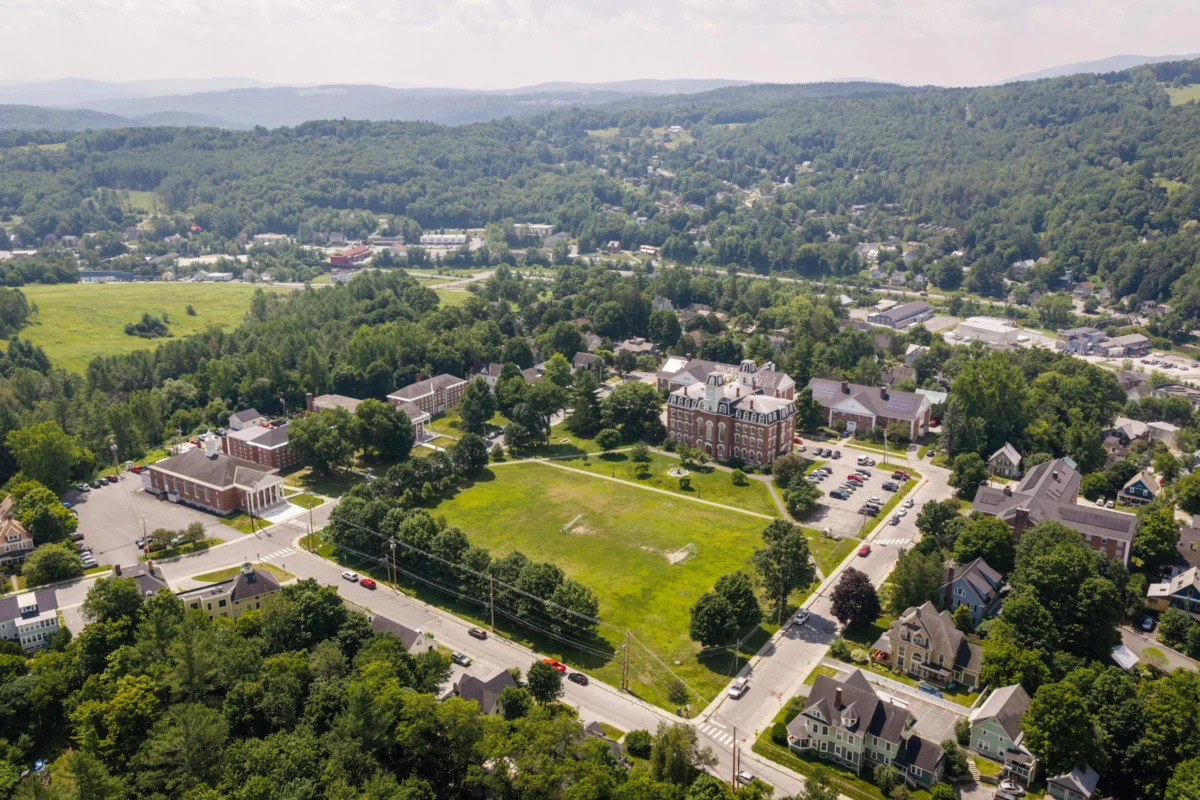
Perched on a scenic hill overlooking Montpelier, Vermont, a collection of 19th-century red-brick buildings with white trim offers a classic, collegiate aesthetic. Yet, the work occurring behind these historic facades is anything but traditional. Here, a coalition of government officials, business leaders, and veteran educators is attempting to perform a feat rarely achieved in the modern era: building a university from scratch to address the fundamental failures of the American higher education business model.
The project, dubbed the Greenway Institute, represents a stark departure from the status quo. By stripping away the administrative bloat, excessive amenities, and rigid, theory-heavy curricula that have driven tuition costs to historic highs, founders hope to prove that a lean, practical, and highly focused model can succeed where legacy institutions are struggling.
A Landscape of Disruption and Decline
The timing of Greenway’s emergence is paradoxical. The U.S. higher education sector is currently navigating what some observers describe as a "mass extinction" event. Driven by shifting demographics, rising costs, and a growing skepticism regarding the return on investment for a four-year degree, many small private colleges are collapsing. In Vermont alone, seven private institutions have shuttered their doors over the last decade, leaving behind empty campuses and searching for new identities.
Greenway purchased its campus in 2023 from the Vermont College of Fine Arts, which had transitioned to a largely remote model before facing insurmountable financial deficits and eventual acquisition by the California Institute of the Arts. By repurposing this existing infrastructure, Greenway has gained a foothold in a state that has become a ground zero for the challenges facing the small-college sector.
Mark Somerville, the founding president of Greenway and former provost of Olin College of Engineering, argues that these closures are not merely tragedies but signals of a broken system. "We need new models in higher ed," Somerville stated. His vision is supported by a growing network of innovators, including the Future Universities Alliance—a consortium organized by Duke University to provide an "innovation sandbox" for experimental higher education ventures.

The Greenway Model: Engineering and Efficiency
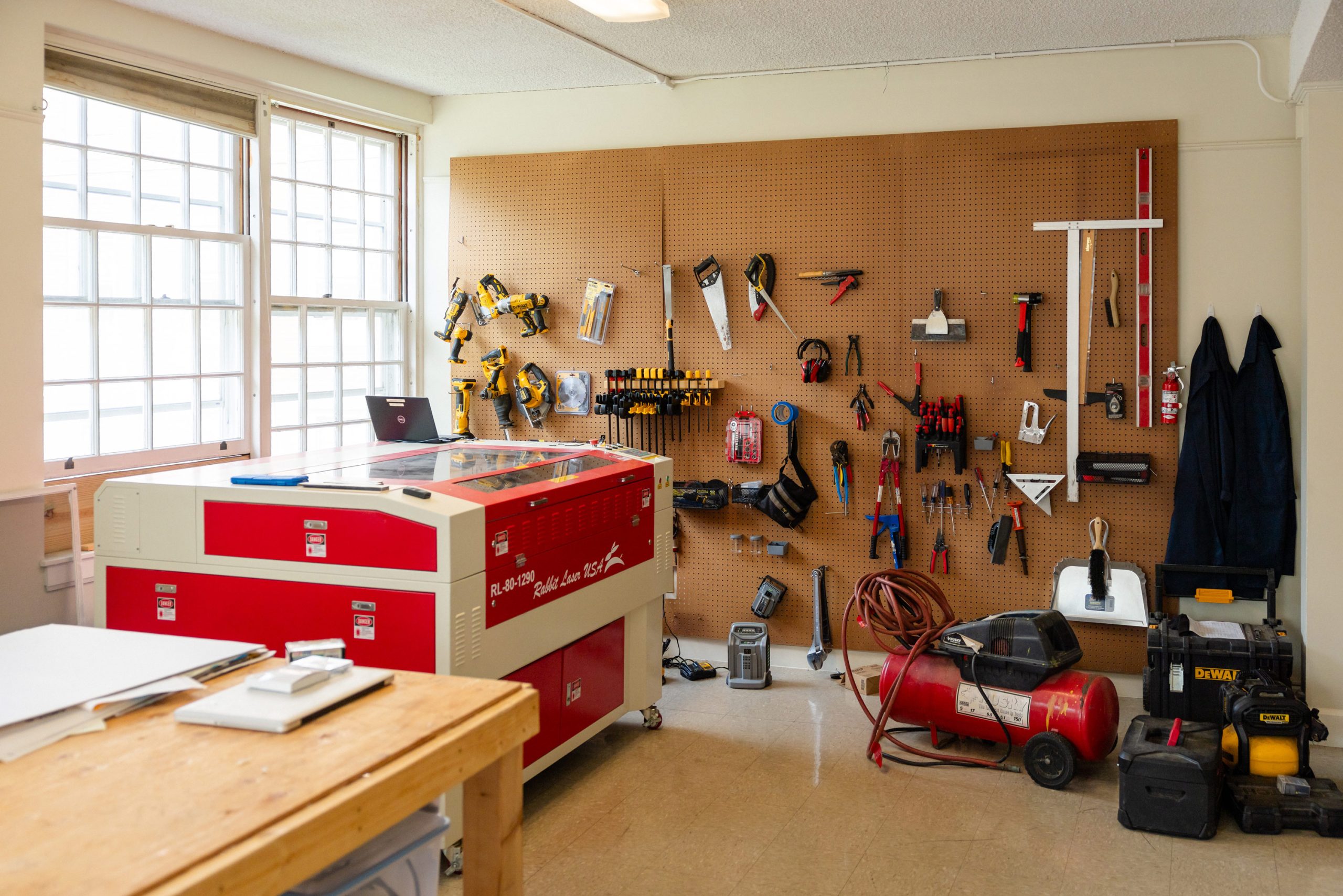
Greenway is built on a philosophy of "radical efficiency." Unlike the sprawling multi-disciplinary universities that dominate the landscape, Greenway will focus exclusively on engineering. The curriculum is designed to move beyond the rote memorization of abstract theories that often characterize lower-level undergraduate courses. Instead, students will engage in project-based learning under the supervision of faculty mentors who are themselves industry professionals.
The structure of the program is equally unconventional. Students will spend their first two years on the Montpelier campus, where they will live, work, and collaborate on real-world engineering challenges. This is followed by two years of direct placement in industry, where students will work as paid apprentices while maintaining their ties to the institute for continued mentorship.
This approach is designed to tackle the "skills gap" frequently cited by employers. "We’re stuck in the 1950s," says Troy McBride, chair of Greenway’s board of directors and a co-founder of a Vermont-based solar panel manufacturer. "We haven’t responded to the internet, let alone AI. We’re still memorizing things that don’t need to be memorized, and we’re not teaching skills and tools. We’re teaching facts, which is the least useful thing in these times."

The Economics of Minimalism
The financial model of the Greenway Institute is intentionally austere. To keep tuition at or below $25,000 annually, the institute has eliminated the "arms race" of non-instructional amenities—such as luxury residence halls, elaborate athletic facilities, and layers of administrative bureaucracy—that have driven the average cost of attendance at private, nonprofit, four-year universities to over $65,000.
By requiring students to manage their own meals, clean their own living spaces, and handle their own scheduling, Greenway is not only reducing overhead costs but also fostering the soft skills that employers find lacking in recent graduates. According to faculty member Annick Dewald, the transition to independence is a core component of the education. "Employers have told me the hardest thing about fresh-from-college undergrads is getting them to show up on time or sleep eight hours at night or to figure out how to feed themselves," she noted.
Supporting Data and Industry Context
The rationale for Greenway’s approach is backed by emerging research. Studies conducted by scholars at the University of Wisconsin-Madison and the Strada Education Foundation indicate that work-based learning significantly improves a student’s likelihood of securing stable, high-paying employment. Despite this, fewer than half of students at public four-year universities report having access to paid, work-based learning opportunities.

The McKinsey & Company "Week in Charts" series previously highlighted that in the decade leading up to the 2020 pandemic, spending on student amenities and non-instructional services grew four times faster than spending on instruction. Furthermore, data from the building consulting firm Gordian confirms that many universities expanded their physical footprints and facilities far in excess of their student population growth, creating a "space bubble" that many institutions are now struggling to maintain.
The Challenges of Innovation
Despite the enthusiasm of its founders, the path forward for Greenway is fraught with regulatory and systemic hurdles. The most significant of these is the accreditation process. Without accreditation, which typically requires a minimum of four years of operation, students are ineligible for federal financial aid, including Pell Grants and federal student loans. Greenway’s leadership acknowledges this challenge, planning to secure retroactive accreditation that would validate the degrees of their inaugural classes.
Fundraising also remains a critical metric. The institute has secured $4.5 million toward a $30 million goal by 2031. This includes a grant from the National Science Foundation, awarded in partnership with Elizabethtown College, and revenue generated from leasing underutilized campus space to outside organizations.

The Competitive Landscape: Future Universities Alliance
Greenway is not alone in its pursuit of disruption. The Future Universities Alliance includes several projects aimed at bypassing the traditional, slow-moving administrative structures of academia. One such project is Polymath University, led by former Pat Tillman Foundation CEO Dan Futrell. Polymath proposes a model where students pursue multiple majors concurrently and undergo rigorous, multi-year apprenticeships, essentially rebranding the concept of a college degree as an "ROTC for the private sector."
Brian Rosenberg, former president of Macalester College and author of ‘Whatever It Is, I’m Against It’: Resistance to Change in Higher Education, sits on the advisory boards of both Greenway and Polymath. He notes that while there is a broad consensus that higher education requires reform, attempting to enact change from within legacy institutions is "agonizingly difficult." For reformers like Rosenberg, projects like Greenway represent an essential alternative path.
Implications for the Future of Higher Education
The broader implication of the Greenway experiment is whether it can serve as a scalable model for a sector in crisis. If a "lean" college can provide a high-quality, employment-focused education at a fraction of the cost of a traditional degree, it could force established universities to re-examine their own cost structures and reliance on amenities.

However, critics of the "disruptor" model argue that removing the communal and liberal arts elements of a traditional campus experience risks narrowing the educational experience to mere vocational training. The founders of Greenway, including former Vermont Secretary of Education Rebecca Holcombe, counter that their model is not intended to replace the traditional university for everyone, but to offer a viable, fast-tracked path for students who are clear about their professional goals.
"It’s for kids who really know what they want to do," Holcombe says. "This is a great way to get there fast without having to pay for all the things that, frankly, you may never use or want to take advantage of."
As Greenway prepares for its tentative launch next fall, it remains a test case for whether the American public is ready to embrace a new paradigm of higher education—one that prioritizes utility, affordability, and personal accountability over the traditional trappings of the campus experience. For a nation grappling with the rising costs of education and a changing workforce, the quiet hills of Montpelier may soon become a loud signal of what comes next.









Leave a Reply