
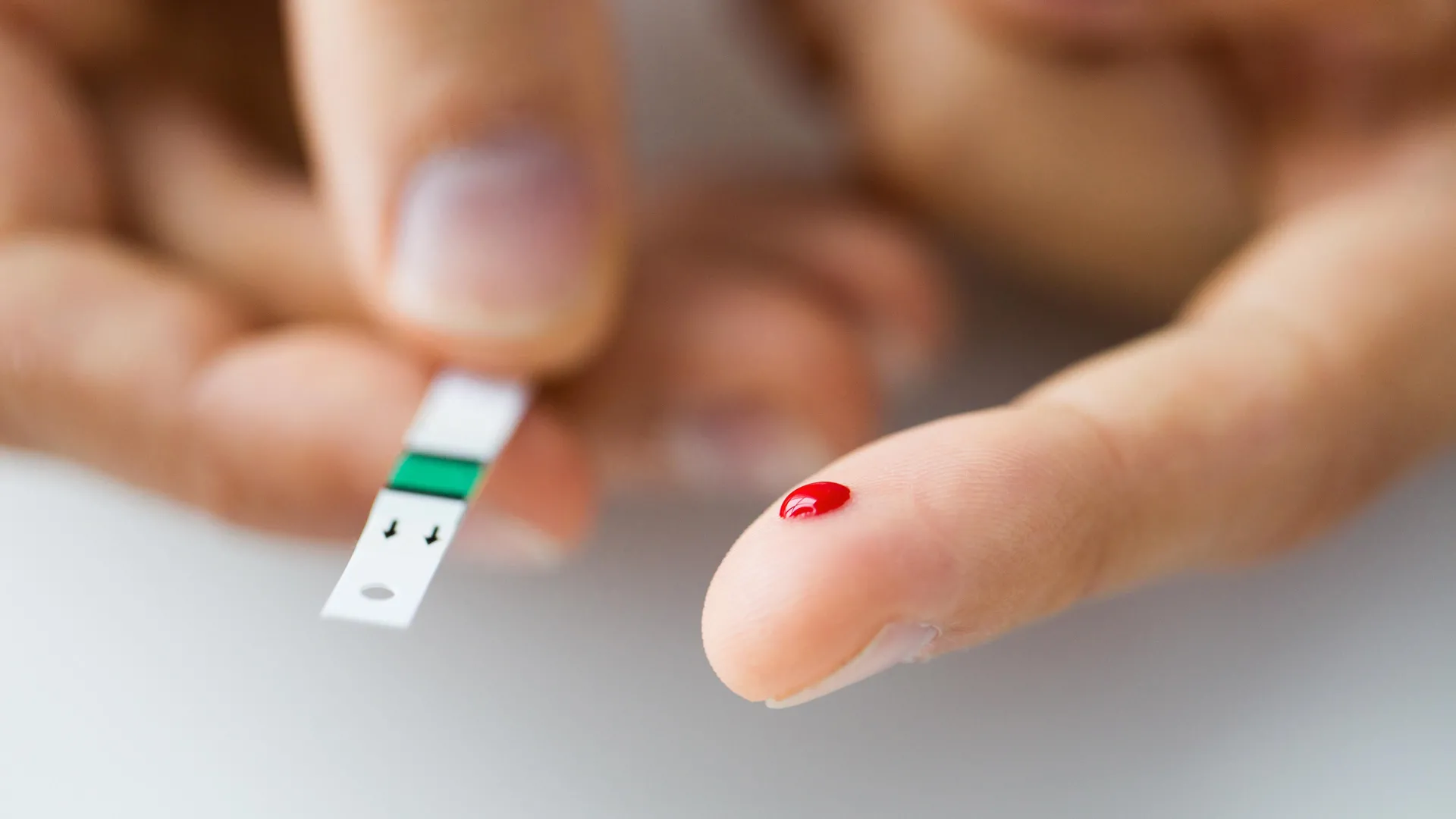
New research presented at the Annual Meeting of the European Association for the Study of Diabetes (EASD) in Milan, Italy, has unveiled a paradoxical finding that challenges the conventional wisdom regarding diabetes management. While the clinical mantra for decades has centered on the absolute stabilization of blood glucose levels, a study led by Professor Dominic Ehrmann of the Research Institute Diabetes Academy Mergentheim (FIDAM) suggests that the intense mental and behavioral effort required to achieve "perfect" blood sugar steadiness may inadvertently diminish a patient’s overall quality of life.
The study, which was showcased during the EASD conference held from September 28 to October 2, highlights that patients often reported higher levels of well-being on days following moderate fluctuations in glucose, provided those levels remained within clinically safe parameters. This revelation does not advocate for poor glycemic control, but rather sheds light on the psychological burden associated with the hyper-vigilance required by modern diabetes management technologies.
The Methodology of the PRO-MENTAL Study
The findings are derived from the PRO-MENTAL study, a robust investigation funded by the German Center for Diabetes Research (DZD). The research team utilized a sophisticated data-collection technique known as ecological momentary assessment (EMA). Unlike traditional retrospective surveys, which rely on a patient’s ability to recall their mood and energy levels over weeks or months, EMA captures data in real-time.
For 14 consecutive days, 400 participants—comprising a demographic mix of 72% type 1 diabetes and 28% type 2 diabetes patients—recorded their quality of life using the WHO-5 well-being index. The WHO-5 is a gold-standard questionnaire that evaluates positive well-being across five key dimensions: mood, vitality, interest, sleep, and general outlook. By pairing these psychological assessments with objective data from continuous glucose monitoring (CGM) devices, researchers were able to create a high-resolution map of the relationship between blood sugar behavior and human experience.
Analyzing the Glucose-Quality of Life Correlation
The research team analyzed several clinical metrics to determine their impact on patient well-being. These metrics included Time in Range (TIR, 70–140 mg/dl), Time Below Range (TBR, <70 mg/dl), Time Above Range (TAR, >180 mg/dl), and general glucose variability.
The statistical modeling, which accounted for variables such as age, sex, diabetes type, and previous-day quality of life, yielded two distinct results that at first glance appear contradictory. First, the data confirmed that spending more time in the target glucose range is objectively beneficial, as it was significantly associated with a higher reported quality of life on the following day. This validates the clinical importance of avoiding hyperglycemia and hypoglycemia.
However, the second finding provided the "paradoxical" twist: higher-than-usual glucose variability on one day was also linked to a better quality of life the next day. Researchers hypothesize that this is not because the fluctuations themselves are beneficial, but because they serve as a marker for a more active, less restrictive lifestyle.
The Burden of Hyper-Vigilance
The medical community has long recognized that managing diabetes is a 24-hour job. The rise of CGM technology has been a revolutionary leap forward, allowing patients to see their blood sugar trends in real-time. Yet, the current study suggests that this increased visibility has a psychological downside.
When patients strive to eliminate every minor oscillation in their blood sugar, they often impose significant behavioral restrictions on themselves. This can manifest as avoiding exercise to prevent a post-workout drop, strictly limiting food choices to avoid post-prandial spikes, or constant mental preoccupation with the CGM readout. Over time, this level of control can lead to "diabetes distress," a recognized psychological condition characterized by feelings of burnout, anxiety, and a perceived loss of autonomy.
Professor Ehrmann and his colleagues suggest that the patients who allowed for more variability were likely engaging in a wider range of daily activities—socializing, exercising, or traveling—which inherently leads to minor glucose swings. By prioritizing the "perfect" line on a screen, patients may be inadvertently shrinking their world, leading to a measurable decline in their reported quality of life.
Supporting Data and Clinical Implications
The cohort studied included 400 participants with a mean age of 47 and a mean glycated hemoglobin (HbA1c) level of 7.6%. This is a representative group of individuals living with diabetes who are engaged in active management. The fact that the study adjusted for previous-day quality of life ensures that the findings are not merely a result of a "good day" leading to a "good night."
The study also confirmed the fundamental importance of sleep and energy. Better sleep quality and higher reported energy levels were consistently linked to improved well-being the following day. This reinforces the necessity of holistic care; diabetes management should not be reduced to a single data point, such as HbA1c or TIR, but must include the patient’s holistic health.
Chronology of the Research Findings
- Pre-Study Phase: Selection of the 400-person cohort and implementation of the WHO-5 questionnaire protocols.
- 14-Day Observation Period: Continuous data collection via CGM devices and daily EMA entries from participants regarding mood, stress, and sleep.
- Data Synthesis: Statistical modeling at the FIDAM research facility to determine correlations between glucose patterns and psychological health.
- September 28–October 2, 2023: Presentation of findings at the EASD Annual Meeting in Milan, signaling a shift in the discourse regarding patient-centric diabetes care.
Expert Analysis: Moving Toward Patient-Centered Goals
The implications of this research are significant for healthcare providers. For years, clinicians have been trained to encourage patients to keep their blood glucose as stable as possible. While this remains the clinical gold standard for preventing long-term complications like neuropathy, retinopathy, and cardiovascular disease, the new data suggests that providers must balance these goals with the patient’s psychological health.
"We are learning that the ‘optimal’ management strategy must be individualized," notes an independent observer familiar with the study. "If the pursuit of a perfectly flat line on a CGM monitor leads to social isolation or severe anxiety, then the treatment plan itself becomes a source of morbidity."
This does not imply that clinicians should abandon the targets for TIR. Rather, it suggests that the conversation between doctors and patients needs to evolve. Instead of focusing solely on the "numbers," healthcare providers are being encouraged to discuss the "effort" behind the numbers. If a patient is sacrificing their ability to engage in everyday activities to maintain tight control, the clinical strategy might require adjustment to find a middle ground that balances physiological safety with psychological freedom.
Broader Impact on Diabetes Care
The EASD presentation has sparked a wider conversation about the psychological metrics of diabetes success. In the future, experts suggest that "quality of life" metrics should be as integral to a clinic visit as blood tests. By incorporating tools like the WHO-5 into routine check-ups, providers can identify when a patient is entering a state of burnout.
Furthermore, the study serves as a reminder to the manufacturers of diabetes technology. As artificial intelligence and automated insulin delivery systems become more advanced, the goal should not just be to keep glucose levels within a tight range, but to do so in a way that is "invisible" to the user, minimizing the cognitive load and the necessity for constant manual intervention.
Conclusion: A Balanced Approach
The research presented in Milan acts as a crucial reality check for the diabetes community. While the physiological dangers of high and low blood sugar remain undisputed, the study underscores that the human experience cannot be ignored. The most successful diabetes management plan is one that allows the patient to live a full, active life while keeping their health within safe limits.
The findings from Professor Ehrmann’s team provide a compelling case for a more nuanced approach—one that recognizes that a "stable" life is not always the same as a "good" life. As the medical community digests these results, it is likely that the next generation of diabetes care will shift toward a model that prizes both metabolic stability and the freedom to participate in the joys of everyday human existence.










Leave a Reply