New research suggests that remnants of red blood cells discovered within a 115-million-year-old dinosaur fossil from Brazil represent the oldest chemical evidence of blood-related material ever documented. However, the scientific community remains deeply divided over the finding. While the study’s authors point to compelling chemical signatures, a faction of skeptical paleontologists and biophysicists argues that the structural morphology of the microscopic remains fails to align with true reptilian red blood cells, breathing new life into a decades-long debate regarding the preservation of soft tissue in the fossil record.
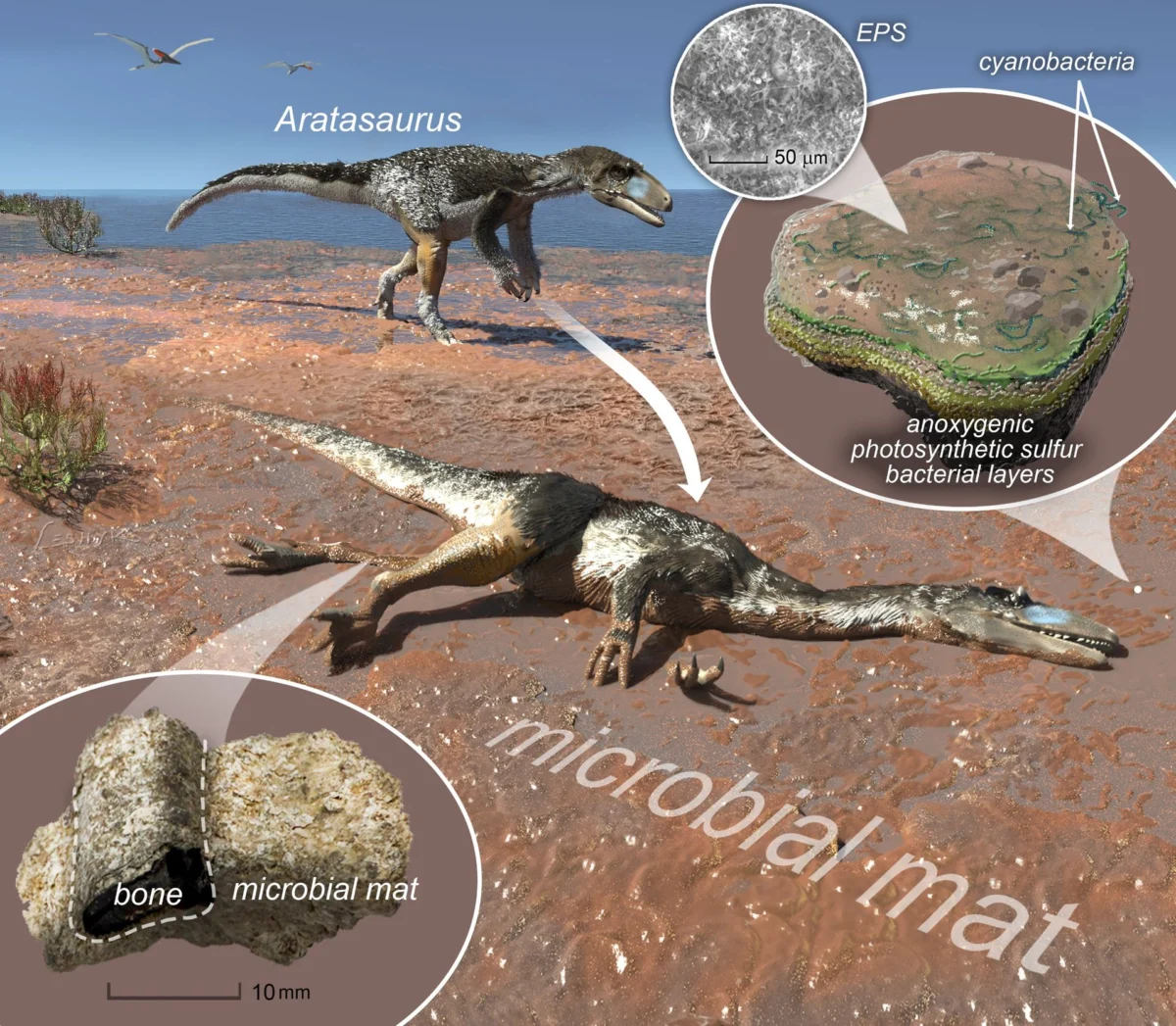
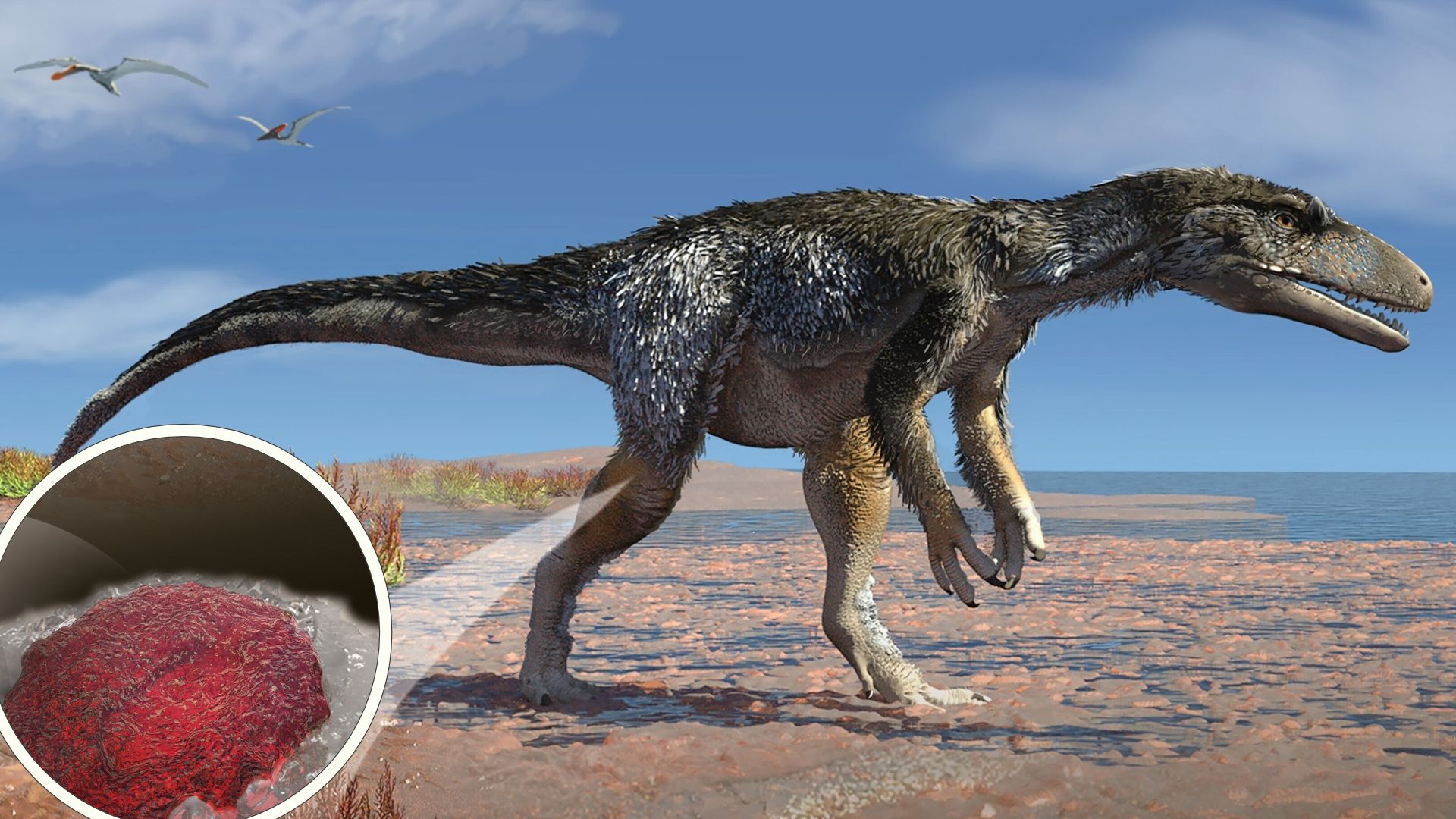
The fossil in question belongs to Aratasaurus museunacionali, a bipedal theropod dinosaur that roamed what is now South America during the Cretaceous period. Unearthed in the Santana Formation of the Araripe Basin in northeastern Brazil, the specimen has long been a subject of intense scientific curiosity. The latest study, which analyzed microscopic structures within the fossilized bone matrix, claims to have isolated chemical footprints typically associated with hemoglobin and cellular membranes. If verified, this discovery pushes the timeline of preserved organic biomarkers back significantly, offering unprecedented windows into the molecular biology of extinct dinosaurs.
Nevertheless, extraordinary claims in paleontology routinely face extraordinary scrutiny. Independent experts reviewing the methodology have raised critical questions about the reliability of ancient biomolecules surviving deep geological time. Because organic compounds like proteins, DNA, and cellular membranes generally degrade within thousands or, at most, a few million years under normal conditions, the notion of recovering biological material from a 115-million-year-old fossil challenges established models of taphonomy—the study of how organisms decay and become fossilized.
Background Context and the Elusive Nature of Soft Tissue Preservation
For centuries, paleontology was strictly a science of bones, teeth, and impressions. Organic soft tissues—such as muscles, skin, organs, and blood vessels—were universally assumed to vanish entirely during the fossilization process, replaced atom-by-atom by minerals percolating through groundwater. That paradigm began to shift dramatically in the late 20th and early 21st centuries, most notably with pioneering discoveries led by paleontologist Mary Schweitzer and her team, who identified flexible blood vessels and cellular structures inside the femur of a 68-million-year-old Tyrannosaurus rex.
Despite these ground-breaking discoveries, skepticism has remained the default stance for much of the scientific establishment. Critics have frequently argued that what appears to be soft tissue is actually biofilm—microbial communities that colonized the fossil pores long after the animal’s death. These biofilms can mimic the size, shape, and even chemical reactivity of red blood cells, complicating efforts to confirm true organic preservation.
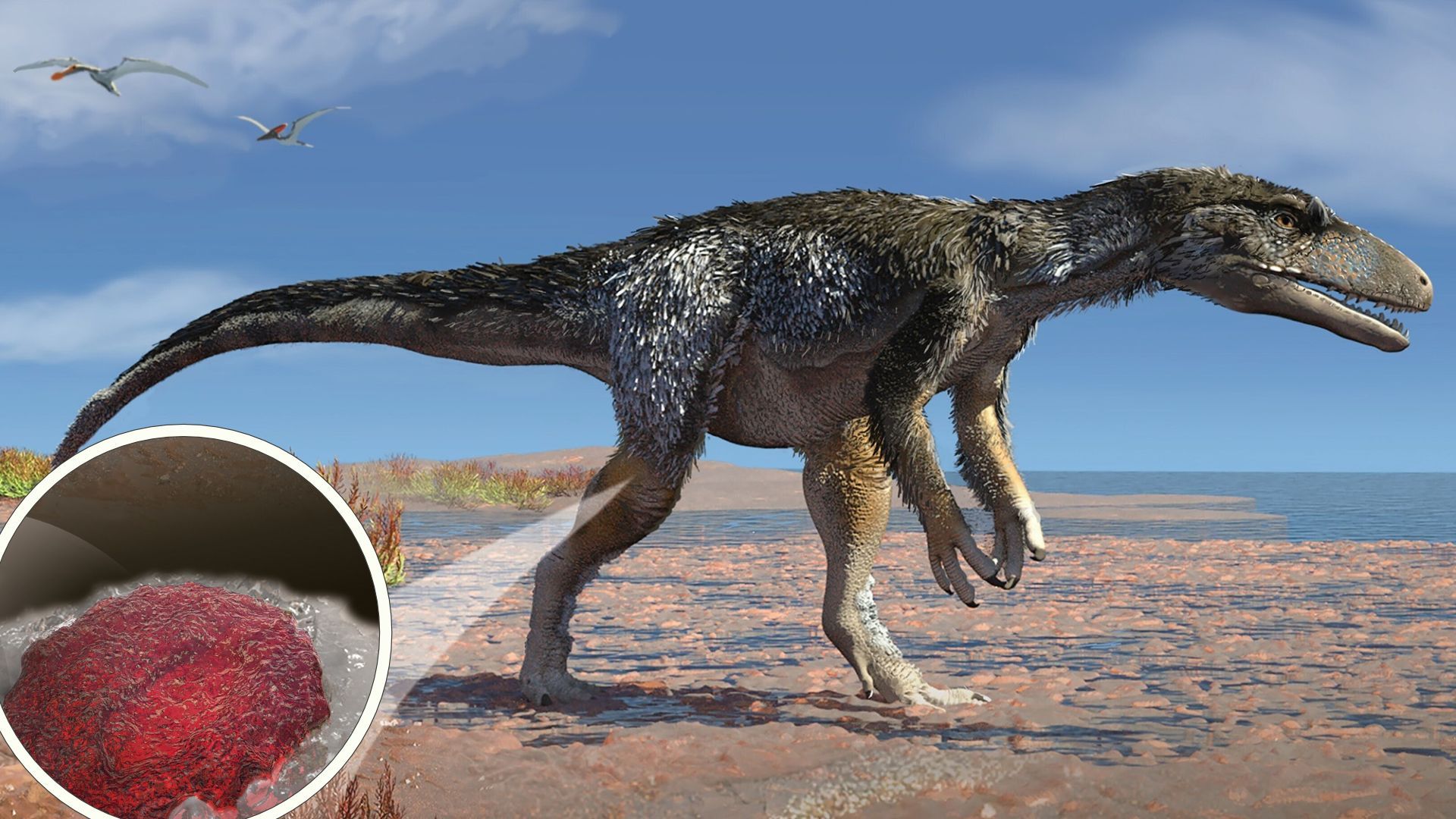
The inclusion of Aratasaurus museunacionali in this ongoing saga adds a crucial Southern Hemisphere perspective. Most famous soft-tissue and biomarker discoveries have originated from North American or Asian fossil beds. A well-preserved Brazilian specimen provides a unique comparative baseline, though it also inherits the rigorous skepticism applied to previous finds.
A Chronology of Discovery and Analysis
The journey of Aratasaurus museunacionali from unexcavated rock to the center of a biomarker controversy spans over a decade of careful scientific inquiry:
- 2008: Paleontologists unearth the fragmentary remains of a novel theropod dinosaur in the Santana Formation of Brazil’s Araripe Basin.
- 2020: The dinosaur is formally described and named Aratasaurus museunacionali—paying homage to Brazil’s National Museum (Museu Nacional), which suffered a devastating fire in 2018, though the fossil itself was safely stored elsewhere.
- Post-2020 to Recent: Advanced microscopy and chemical spectroscopy techniques are applied to tiny fragments of the fossil’s bone matrix, seeking to detect intracellular residues and traces of original biomolecules.
- Recent Publication: Researchers announce the identification of chemical signatures consistent with red blood cells, labeling them as the oldest known chemical evidence of blood-related material in the fossil record, while simultaneously sparking fierce academic pushback.
Methodological Battles: Chemistry Versus Morphology
At the heart of the current scientific debate is a clash between chemical detection and morphological identification. The research team behind the study utilized advanced analytical tools—such as mass spectrometry and specialized spectroscopic imaging—to map the chemical composition of microscopic structures found trapped inside the fossil bone. They argue that the distribution of iron and specific organic molecules matches what one would expect from the degradation products of hemoglobin, the iron-containing oxygen-transport protein found in red blood cells.
Conversely, critics emphasize the biological shape, or morphology, of the structures. Modern and ancient reptilian and avian red blood cells are characteristically nucleated and possess an elliptical or oval shape, differing significantly from the biconcave discs seen in mammals. Skeptical researchers analyzing the published imagery argue that the microstructures lack consistent, definitive reptilian cellular hallmarks. Without clear morphological proof, they contend that the chemical signatures might simply be the result of mineral diagenesis—where iron-rich minerals like goethite or hematite precipitate into shapes that mimic cellular remnants during fossilization.
Furthermore, taphonomic experts point out that water movement through sedimentary rock over millions of years can deposit modern or secondary organic contaminants into microscopic cracks in fossils, leading to false positives during mass spectrometry analyses.
Broader Implications for Paleontology and Molecular Evolution
Resolving whether Aratasaurus museunacionali preserves actual blood chemistry holds profound implications for how scientists study prehistoric life. If robust, repeatable biomarkers can be reliably extracted from Cretaceous and older fossils, the field of "paleoproteomics" could revolutionize our understanding of dinosaur physiology.
Currently, evolutionary relationships are mapped almost exclusively through skeletal anatomy and, where possible, fragmentary ancient DNA (though DNA rarely survives past one million years). Access to stable proteins or cellular breakdown products would allow researchers to construct molecular phylogenies, tracing the deep evolutionary links between non-avian dinosaurs, modern birds, and reptiles with biochemical precision. Scientists could potentially test hypotheses regarding dinosaur metabolism—specifically whether large theropods were endothermic (warm-blooded) or ectothermic (cold-blooded)—by examining the efficiency and oxygen-carrying capacity of their preserved respiratory pigments.
However, if these findings are ultimately disproven or attributed to microbial contamination and mineral pseudofossils, it will serve as a cautionary tale for the limits of organic preservation. It would reinforce the consensus that deep-time fossilization is a strictly destructive mineral replacement process, closing the door on the prospect of recovering molecular-level data from deep geological epochs.
Future Directions and Research Standards
To move past the current impasse, leading researchers in both camps agree that stricter methodological standards must be implemented for future soft-tissue and biomarker claims. These standards include:
- Blind Testing: Utilizing independent laboratories that are unaware of the sample’s origin to analyze chemical extracts, minimizing confirmation bias.
- Multi-Modal Verification: Requiring simultaneous proof of multiple independent biomarkers—such as specific amino acid sequencing, structural protein preservation, and unambiguous cellular morphology—rather than relying on a single analytical technique.
- Contamination Controls: Establishing rigorous protocols to test for modern environmental contamination, bacterial biofilms, and humic substances that frequently mimic ancient organic compounds in sedimentary rocks.
As the debate surrounding Aratasaurus museunacionali continues to unfold at academic conferences and in peer-reviewed journals, the fossil remains a powerful symbol of paleontology’s cutting edge. Whether it represents a revolutionary glimpse into the ancient circulatory system of a Cretaceous predator or merely a fascinating geological mimic, the ongoing investigation pushes scientists to refine their tools, question their assumptions, and push the boundaries of what we can truly know about life on Earth millions of years in the past.