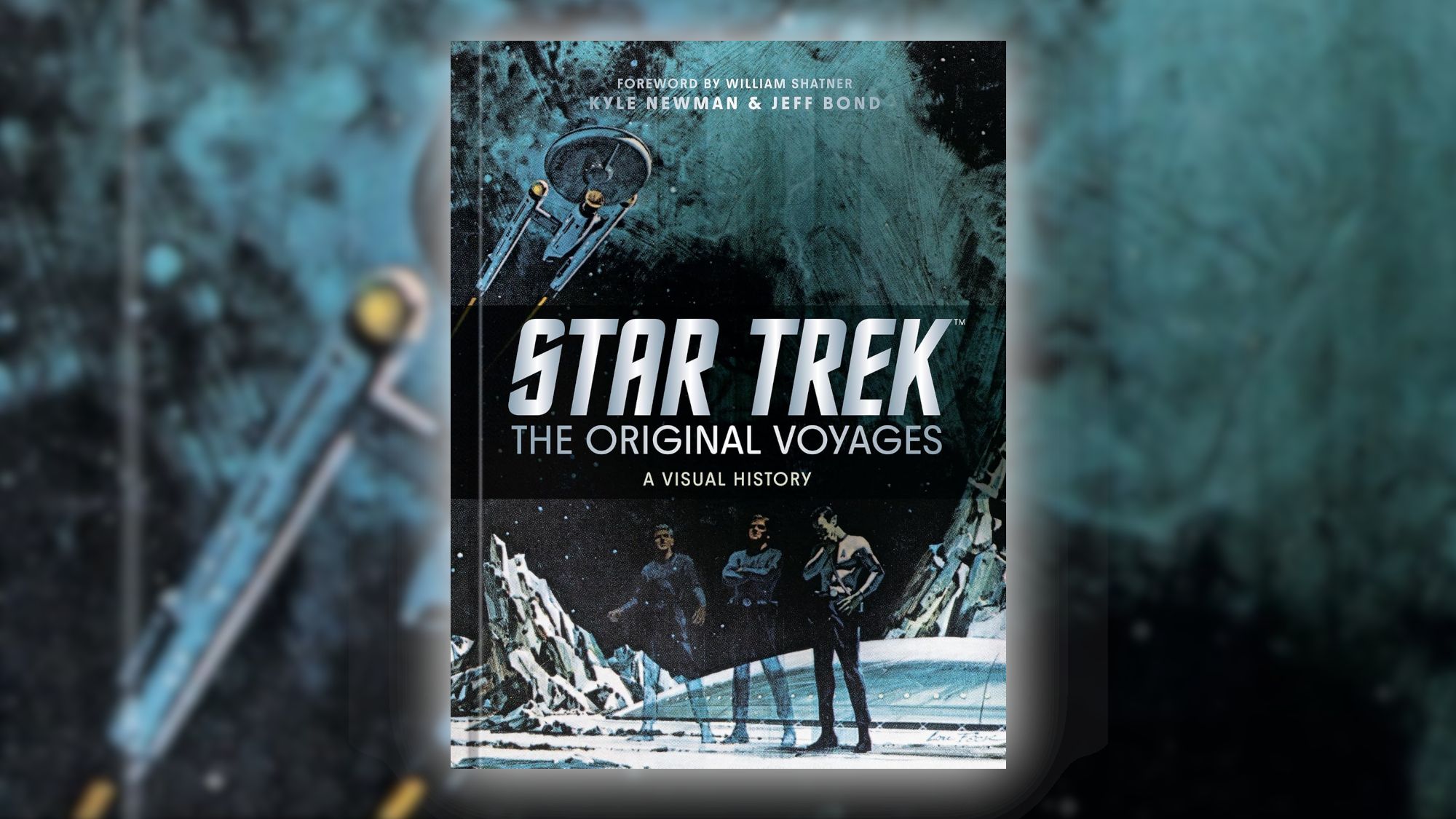
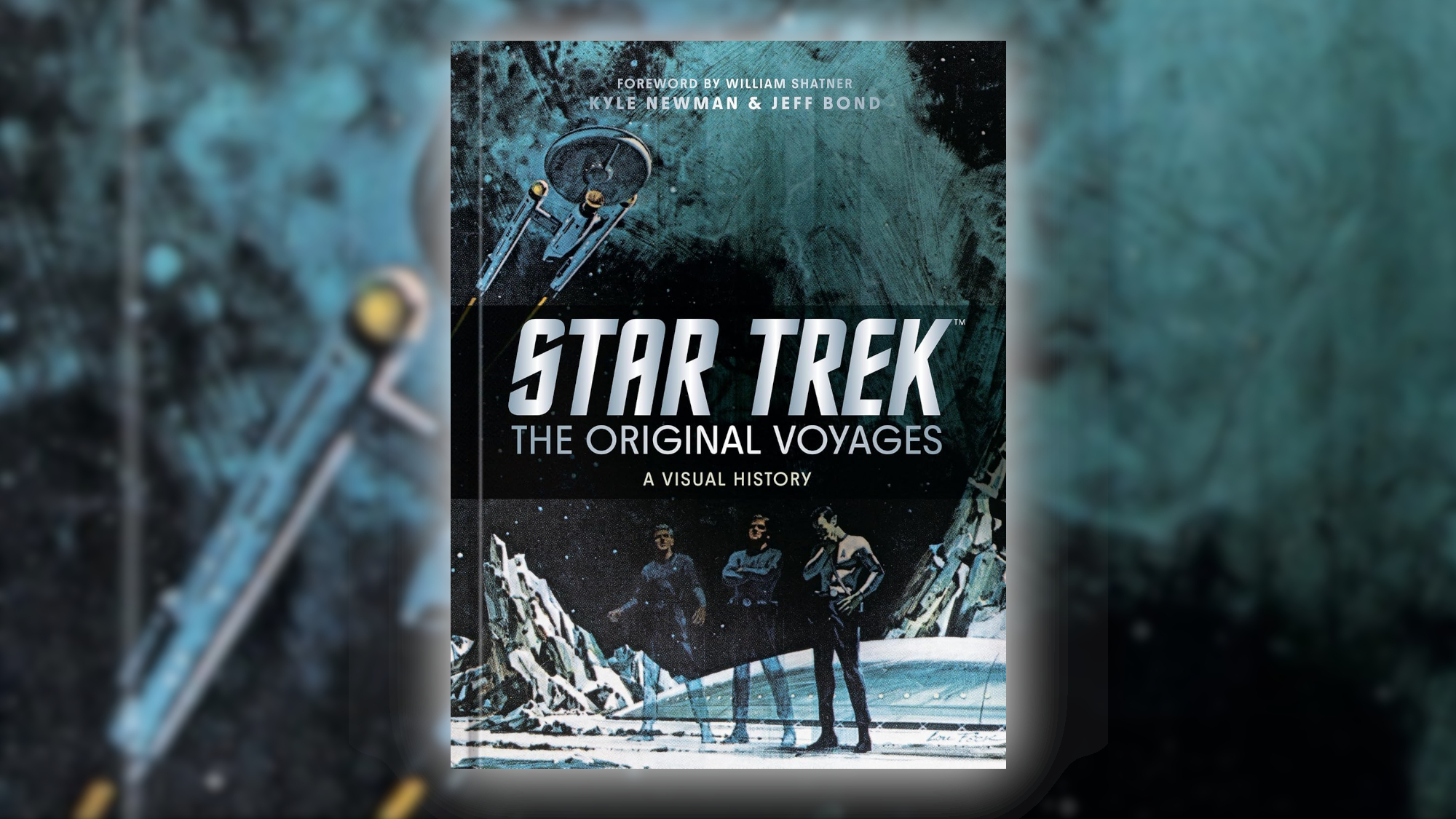
The television landscape of the 1960s was forever altered on September 8, 1966, when the U.S.S. Enterprise first graced the airwaves of NBC. Sixty years later, the cultural gravity of Gene Roddenberry’s space-faring vision remains a dominant force in global entertainment. To commemorate this diamond anniversary, Penguin Random House and Ten Speed Press are set to release a comprehensive new volume titled Star Trek: The Original Voyages: A Visual History. Scheduled for publication on November 10, 2026, this 416-page hardback serves as an exhaustive archival project, chronicling the genesis, production, and lasting influence of the original series, its animated successor, and the subsequent motion picture era that concluded in 1991.
A Legacy Spanning Six Decades
When Star Trek debuted in 1966, it arrived at the height of the Cold War and in the midst of the escalating Space Race. While other science fiction programs of the era focused on B-movie tropes and campy monster-of-the-week narratives, Star Trek utilized the medium of television to explore sociopolitical themes, human philosophy, and moral ambiguity. Despite these ambitions, the show struggled in the ratings, leading to its cancellation after only three seasons and 79 episodes.
However, the show’s afterlife proved more significant than its initial run. Through syndication, Star Trek found a second life in the 1970s, fostering a dedicated fan base—the "Trekkies"—that would eventually pressure the studio into producing a series of feature films. This cycle of renewal is the primary focus of the new book by authors Kyle Newman and Jeff Bond, who aim to capture the frantic, creative energy that defined the production of the 1960s and the subsequent evolution of the franchise into a multi-billion-dollar intellectual property.
Chronology of an Icon
To understand the weight of this new publication, one must consider the timeline of the franchise’s expansion:
- 1966–1969: The Original Series (TOS) airs on NBC, establishing the archetypal crew: Captain James T. Kirk, Spock, Dr. McCoy, and the diverse bridge crew that would define ensemble storytelling for decades.
- 1973–1974: The Animated Series (TAS) keeps the momentum alive, allowing for more ambitious, budget-defying science fiction concepts.
- 1979: Star Trek: The Motion Picture premieres, signaling the franchise’s transition from television cult hit to big-screen spectacle.
- 1982–1991: The "Golden Age" of Star Trek films, beginning with The Wrath of Khan and concluding with The Undiscovered Country, solidifies the crew as cultural icons.
- 2026: The 60th-anniversary celebrations culminate in the release of archival histories like The Original Voyages, providing a scholarly look back at the production ephemera that made these milestones possible.
Behind the Scenes: The Archival Approach
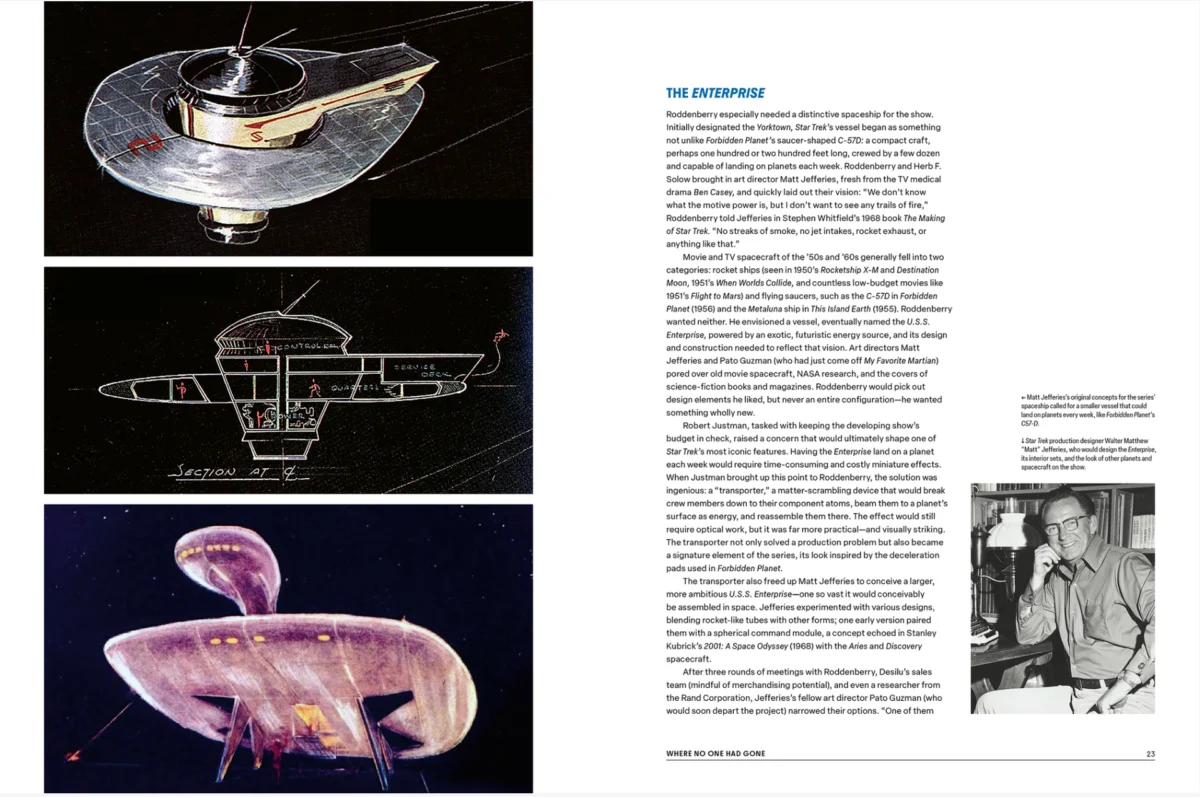
The value of The Original Voyages lies in its access to the production vaults. The book is not merely a collection of stills; it is a curated exploration of the craftsmanship that went into building the Enterprise. Readers will find detailed examinations of the original costumes, intricate storyboards that dictated the flow of action, and the physical models that served as the backbone of the show’s pioneering special effects.
Beyond the technical, the book delves into the collaborative environment fostered by Gene Roddenberry. By integrating interviews with the original cast—including William Shatner, Leonard Nimoy, DeForest Kelley, and the pioneering Nichelle Nichols—and the creative team, the book provides a human-centric look at how a series plagued by budget cuts and network interference managed to innovate at every turn. It chronicles the "Great Bird of the Galaxy’s" struggle to present a vision of a future where humanity had moved past its base instincts to embrace a unified, exploration-focused society.
Cultural and Industrial Implications
The publication of this volume arrives at a time when Star Trek is being re-evaluated not just as a television show, but as a pivotal cultural artifact of the 20th century. Analysts often point to Star Trek as a primary driver of public interest in science, technology, engineering, and mathematics (STEM). The show’s influence on real-world space agencies, including NASA, is well-documented; the first space shuttle, for instance, was named "Enterprise" due to a massive letter-writing campaign by fans.
The book’s scope extends to the commercial ecosystem that surrounded the show. In the late 1960s and 70s, the "Trek" brand became a template for modern franchise management. The publication details the rise of the convention circuit, the explosion of licensed merchandise—ranging from comic books and trading cards to vintage magazines—and the way these items helped sustain the franchise during its "wilderness years" before the film era. This demonstrates how Star Trek anticipated the modern era of transmedia storytelling, where a brand exists across multiple platforms simultaneously.
Analyzing the Collector’s Market
The demand for high-end coffee table books dedicated to pop culture history has seen a significant uptick in recent years. This is driven largely by a demographic of collectors who value the physical tangibility of the franchise’s history. Penguin Random House has noted that books focusing on "Visual History" serve as essential documentation for fans who wish to preserve the legacy of these shows for future generations.
By documenting every licensed toy, promotional roadshow, and media parody, The Original Voyages provides a socioeconomic map of how Star Trek integrated itself into the American psyche. The inclusion of ephemeral materials—items that were once considered throwaway promotional stunts—adds a layer of academic rigor to the work. It allows researchers and fans alike to see how the marketing of science fiction evolved alongside the medium itself.
The Future of the Final Frontier
As the industry prepares for the November 10 release, the implications for the franchise are clear: Star Trek is entering its seventh decade with a stronger grip on its own history than ever before. While new iterations of the franchise continue to be produced for streaming platforms, there is a clear, consistent hunger for the "original" era.
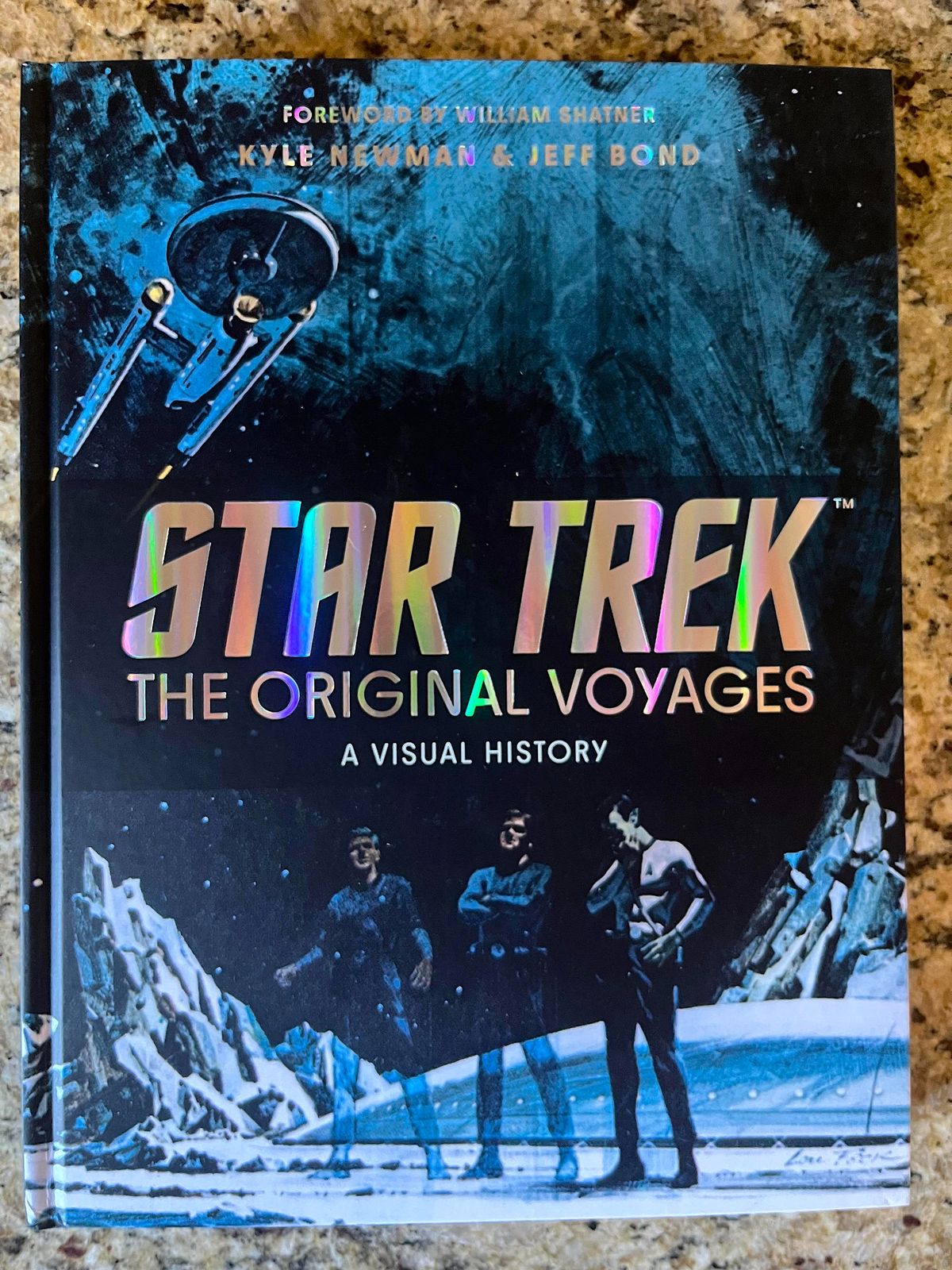
The Original Voyages is positioned to be the first of a two-volume series. This structure implies a massive undertaking: to map the entire history of the franchise in granular detail. If the first volume is any indication, the intent is to move beyond the superficial "nostalgia bait" often associated with anniversary products and toward a substantive historical account of one of television’s most influential achievements.
For the casual observer, the book offers a window into the aesthetic of 1960s speculative fiction. For the die-hard fan, it offers the promise of never-before-seen blueprints and behind-the-scenes candid photography. Most importantly, for the industry, it stands as a testament to the fact that content, when crafted with a distinct philosophical vision, can outlive its original broadcast window by a factor of twenty.
As we approach the release date, the anticipation is not just for the book itself, but for the continued conversation regarding the impact of Gene Roddenberry’s vision. Whether one is an amateur historian of television, a collector of science fiction memorabilia, or a lifelong fan of the U.S.S. Enterprise, Star Trek: The Original Voyages: A Visual History promises to be a foundational text. It captures a moment in time when, for the first time, a television show dared to suggest that the future was not something to be feared, but something to be explored. As the publisher notes, the story of the Enterprise is more than just a plot point—it is a mirror held up to society, a tradition that this new volume hopes to preserve for the next generation of voyagers.