For most of the 20th century, the model of human origins was a tree: with the trunk dividing into branches, and then twigs, each representing a distinct, isolated hominin species. This "replacement" model posited that Homo sapiens emerged in Africa, migrated globally, and systematically displaced every archaic human relative encountered along the way, rendering those groups evolutionary dead ends. However, recent breakthroughs in paleoproteomics—the study of ancient proteins—have fundamentally dismantled this rigid botanical metaphor. A landmark study published in the journal Nature, led by Qiaomei Fu of the Chinese Academy of Sciences, provides compelling evidence that the history of our species is not a linear progression, but a complex, braided river of genetic exchange.
The Proteomic Breakthrough
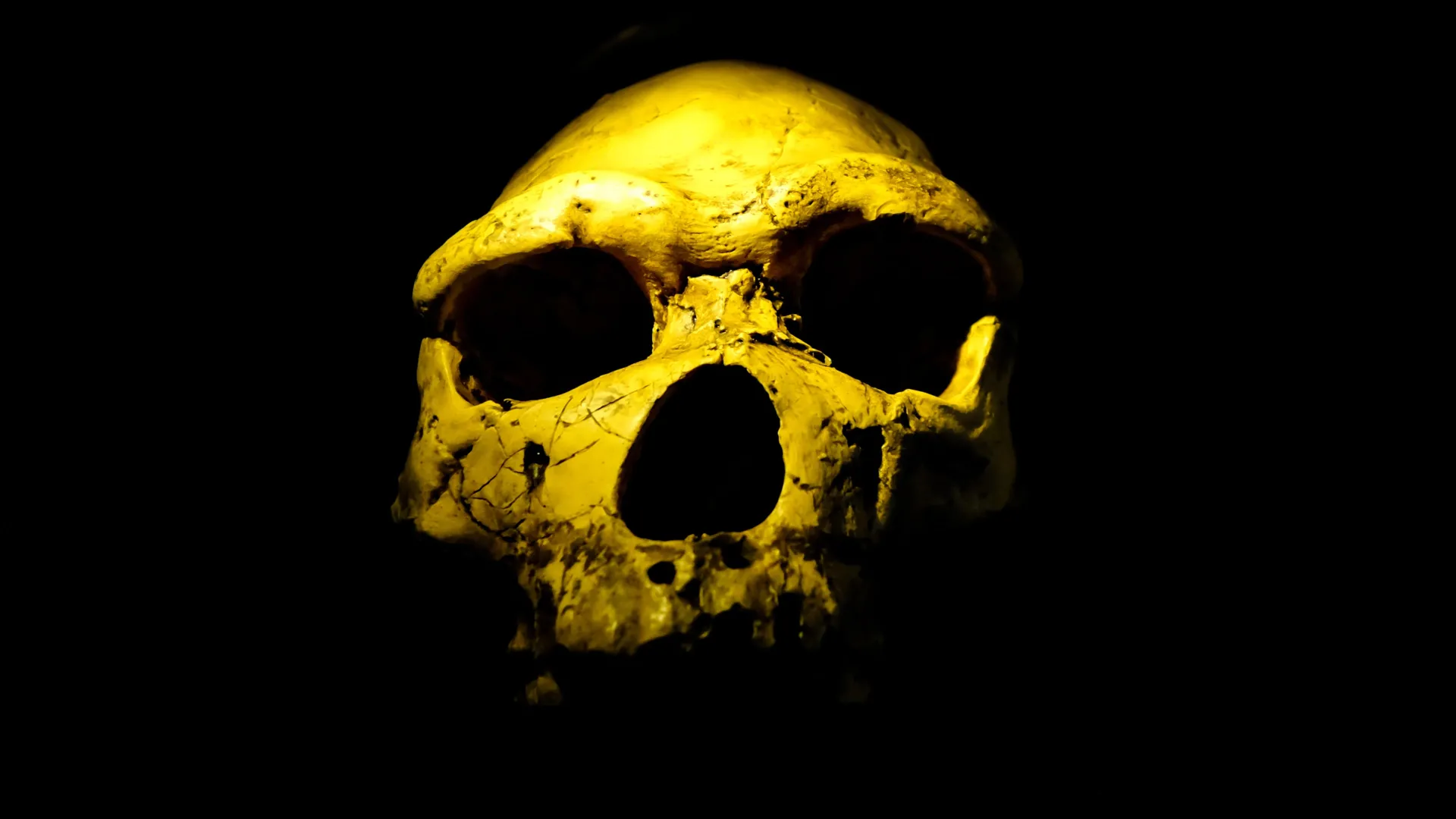
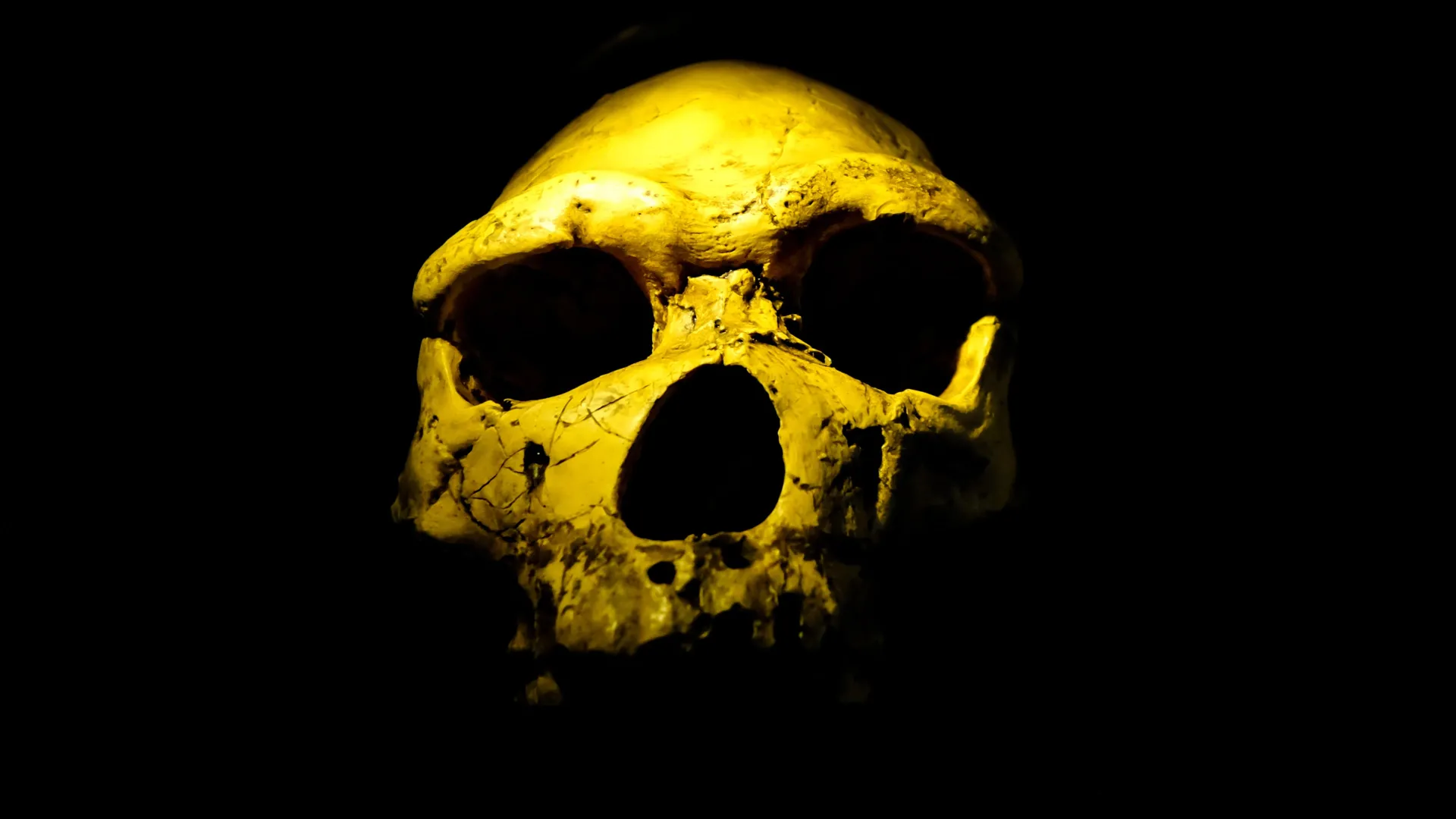
The core challenge in human evolutionary studies has long been the degradation of DNA. In warm, humid environments, such as those found in much of East Asia, DNA typically breaks down within a few thousand years, making it impossible to sequence the genomes of fossils dating back hundreds of millennia. Homo erectus, the most geographically widespread human ancestor in history, has remained particularly elusive. Having migrated out of Africa nearly two million years ago, this species thrived across Eurasia for vast stretches of time, yet left behind few genetic clues.
To bypass the limits of ancient DNA, Dr. Fu’s team utilized an innovative technique to extract ancient proteins from the tooth enamel of six specimens recovered from three prominent Chinese archaeological sites: Zhoukoudian, Hexian, and Sunjiadong. Tooth enamel is the densest, most mineralized tissue in the human body, acting as a biological vault that preserves protein sequences long after DNA has vanished. By analyzing these proteins, researchers identified a unique amino acid variant—a specific molecular signature—shared across all six specimens. This discovery not only solidified the classification of the debated Hexian fossils as Homo erectus but also revealed a secondary protein variant shared with the Denisovans, a mysterious archaic human group previously identified in Siberian caves.
A Chronology of Contact
The timeline of human evolution is now being viewed through the lens of episodic interbreeding rather than total replacement. The evidence suggests a sequence of events spanning hundreds of thousands of years:
- 2 Million Years Ago: Homo erectus begins its migration out of Africa, establishing a long-term presence across Eurasia.
- 400,000 Years Ago: The timeframe identified in the Nature study, during which East Asian Homo erectus populations likely interbred with the ancestors of the Denisovans.
- Recent Millennia: Genetic remnants of these interactions are found in the genomes of modern populations in the Philippines, Papua New Guinea, and Southeast Asia.
The presence of this shared molecular variant in living humans at frequencies of 21% in the Philippines and 1% in India provides a direct, measurable link between contemporary populations and archaic groups that were once considered extinct. This transfer of genetic material between species, or "introgression," indicates that our ancestors were far more interconnected than previously believed.
Beyond the Dead End: The Genomic Mosaic
The implications of this research extend far beyond the specific protein variants discovered in these teeth. The scientific consensus is shifting toward the understanding that interbreeding was not an anomaly but a routine occurrence in hominin history. Every major lineage that has been sequenced—including Neanderthals, Denisovans, and even unidentified "ghost" populations in West Africa—shows clear signatures of admixture.
Current genomic data reveals a striking mosaic:
- Non-African populations carry approximately 2% Neanderthal DNA.
- Papuans and Aboriginal Australians possess an additional 2–5% Denisovan ancestry.
- West African populations harbor signatures from an unidentified archaic lineage, suggesting the presence of a population that has yet to be formally described by fossil evidence.
The American Journal of Physical Anthropology reported in 2019 that there were at least three distinct introgression events involving Denisovan-like populations into the ancestors of Southeast Asian and Oceanic peoples, some occurring as recently as 20,000 years ago. These findings confirm that our genome is a patchwork of contributions from multiple archaic groups, each of which had undergone specific environmental adaptations over hundreds of thousands of years.
Scientific Implications and Future Directions
The functional consequences of this introgression remain a critical area of inquiry. While the specific protein variant identified in the current study has unknown biological implications, evidence from other introgressed genes suggests that these ancient contributions may have been vital for survival. For instance, certain Denisovan-derived variants found in Papuan genomes have been linked to enhanced immune function, potentially aiding ancestors in adapting to new pathogens encountered as they migrated into diverse ecological niches.
The success of the proteomic approach opens a new frontier for investigating "ghost populations"—hominin species that left behind fossils but no accessible DNA. Species such as Homo floresiensis (the "hobbit" of Flores) and Homo luzonensis (of the Philippines) have remained outside the reach of traditional genetic analysis. If researchers can successfully extract protein sequences from the enamel of these specimens, they may finally be able to determine if these diminutive humans also contributed to the genetic makeup of modern populations.
Shifting the Evolutionary Paradigm
The traditional "tree of life" model, which emphasized separation and replacement, is being replaced by the "braided river" model. This new perspective acknowledges that while populations may have diverged, they frequently reunited, exchanged genetic information, and drifted apart again. This model accounts for the persistence of archaic traits and the remarkable resilience of the human lineage.
The study led by Dr. Fu provides more than just a molecular connection between Peking Man and modern populations; it provides a framework for future research. By demonstrating that we can retrieve high-quality biological data from fossils that were previously considered "dead," the scientific community is now equipped to reconstruct the history of human evolution with unprecedented resolution.
As researchers continue to refine these techniques, the broader impact on evolutionary biology is expected to be profound. The ability to identify the functional roles of these ancient proteins could help explain why some populations are more resilient to specific diseases or how different groups adapted to varying altitudes and climates. Ultimately, this research confirms that the history of Homo sapiens is deeply intertwined with the history of our archaic cousins. Every time a new protein sequence is decoded from an ancient tooth, we uncover another piece of the complex, multifaceted puzzle that defines what it means to be human. The disappearance of archaic lineages was not a clean break, but a transformation—a legacy written into our very code, ensuring that the story of our ancestors continues to live within us.