
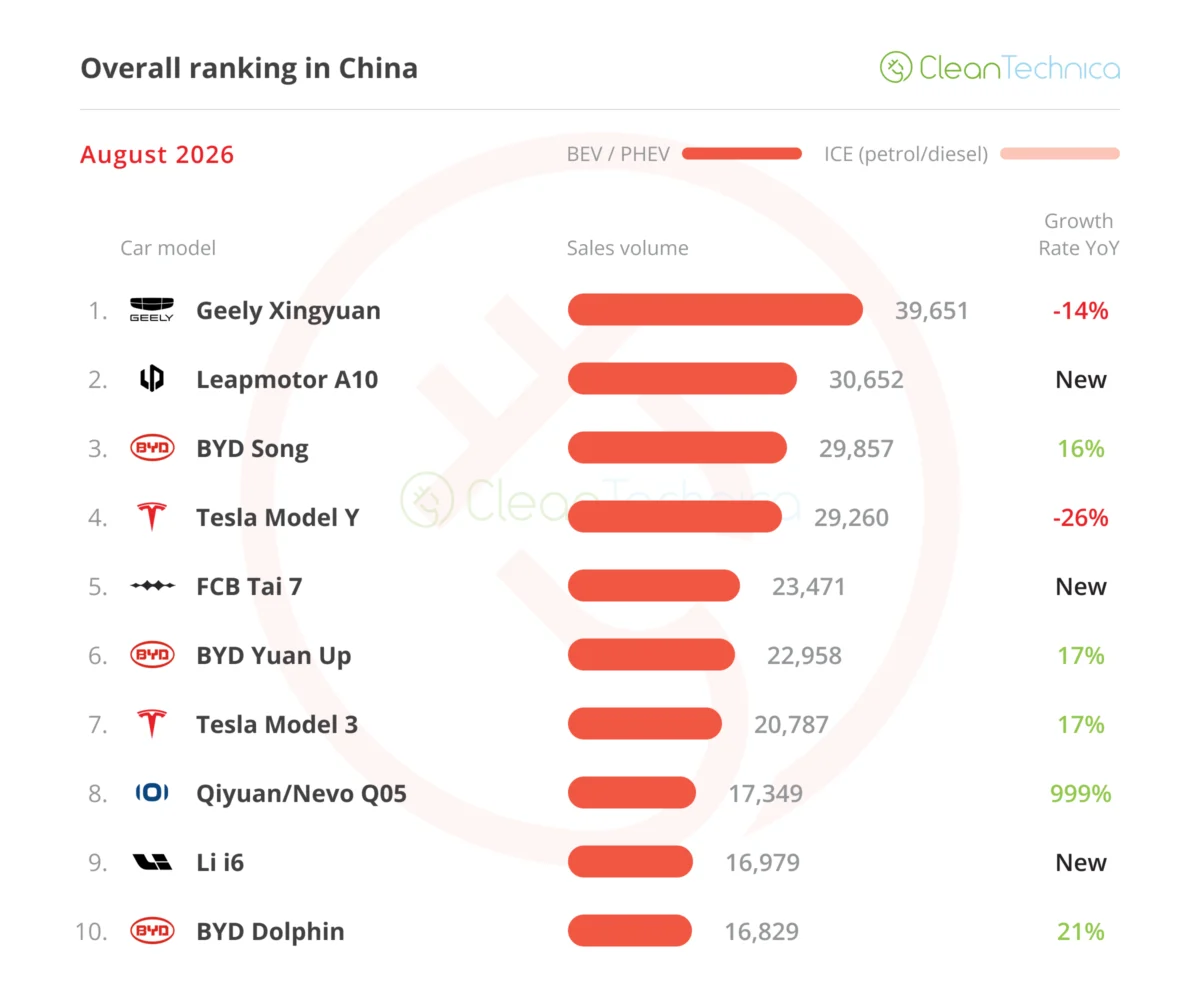
The automotive landscape in China underwent a structural transformation in August 2026, as the country recorded an unprecedented 65% market share for new energy vehicles (NEVs). This milestone, which combines battery electric vehicles (BEVs) and plug-in hybrid electric vehicles (PHEVs), highlights a decisive shift away from traditional internal combustion engine (ICE) technology. While previous records in the Chinese market were driven primarily by the growth of electric vehicle adoption, the August figures were bolstered by a dramatic 24% year-over-year contraction in the overall market, which saw total sales fall to approximately 1.5 million units.
The market data paints a stark picture for legacy manufacturers. While the broader automotive industry struggled—with PHEVs declining by 30% and extended-range electric vehicles (EREVs) dropping by 22%—BEVs managed to achieve a 1% year-over-year increase. This divergence signals that even in a cooling market, the demand for pure electric propulsion remains resilient, while hybrid and ICE segments face significant headwinds.
A Rapidly Accelerating Transition
The cumulative data for 2026 confirms that the transition is accelerating. As of August, the year-to-date NEV market share stands at 57%, a 3% increase over the full-year figures for 2025. Pure BEVs, which accounted for 33% of the market in 2025, have climbed to 38% for the first eight months of 2026. Industry analysts project that if current trajectories persist, the Chinese market could see BEV penetration exceed 40% by the end of the year, with total NEV share surpassing 60%.
The internal composition of the NEV market is also shifting back toward electrification. At the start of 2026, PHEVs experienced a temporary surge due to shifts in incentive structures and a brief cooling of pure BEV sales. However, by August, the market rebalanced to a 69% BEV to 31% PHEV split. This trend is expected to intensify in 2027, as government authorities have signaled the cessation of certain tax exemptions for plug-in and range-extended models, effectively removing the artificial support that has allowed hybrids to maintain a significant market presence.
The Erosion of the ICE Segment
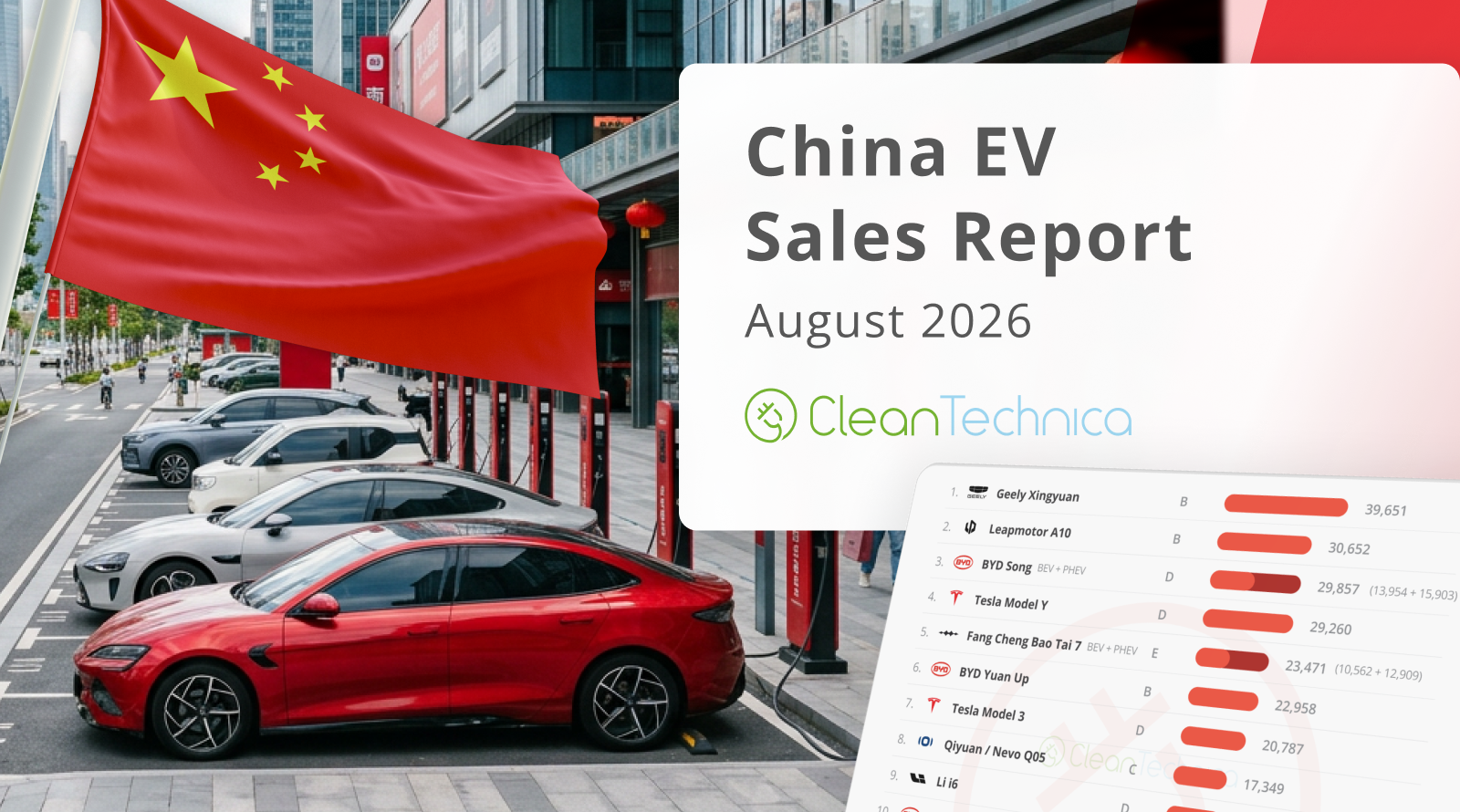
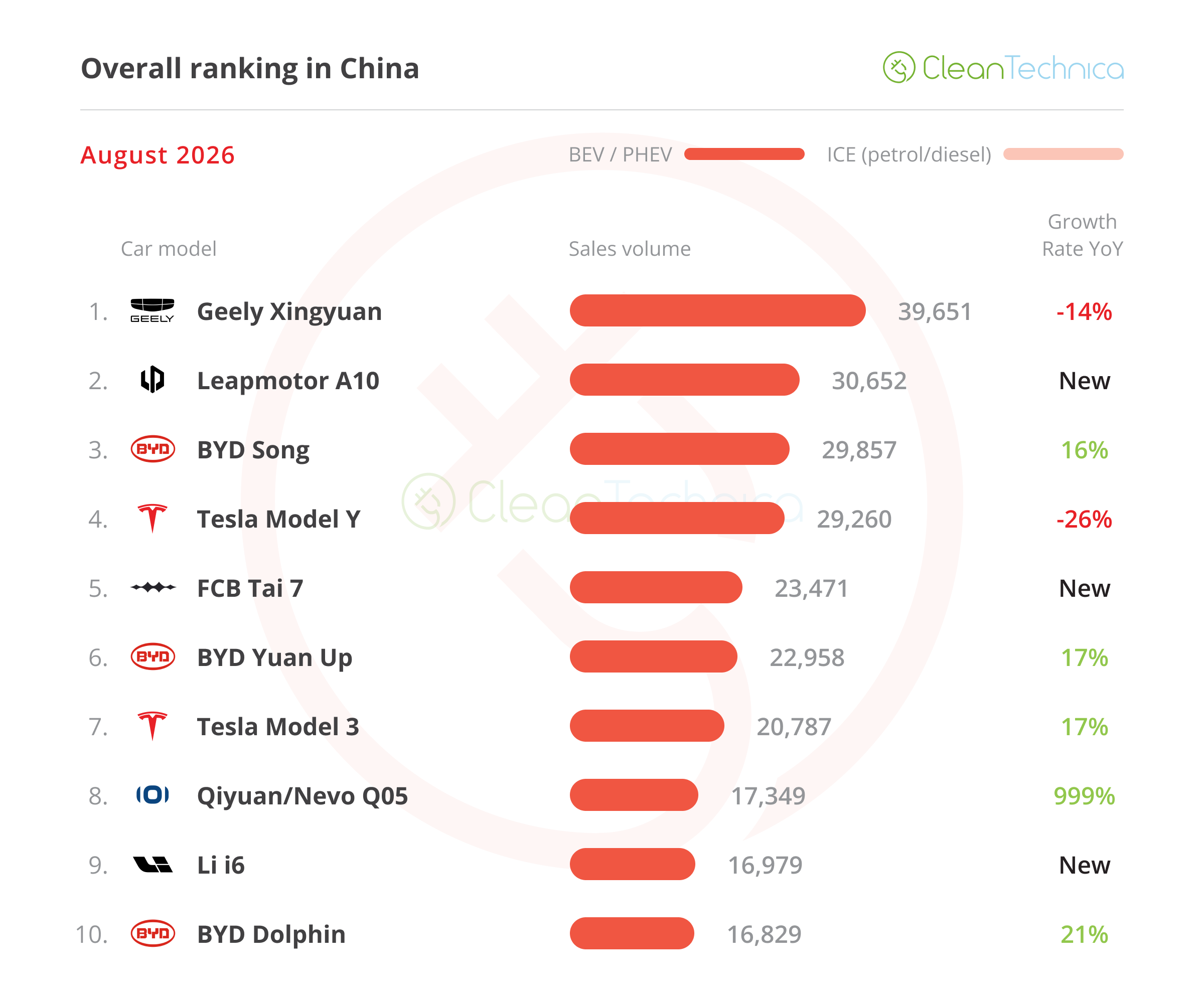
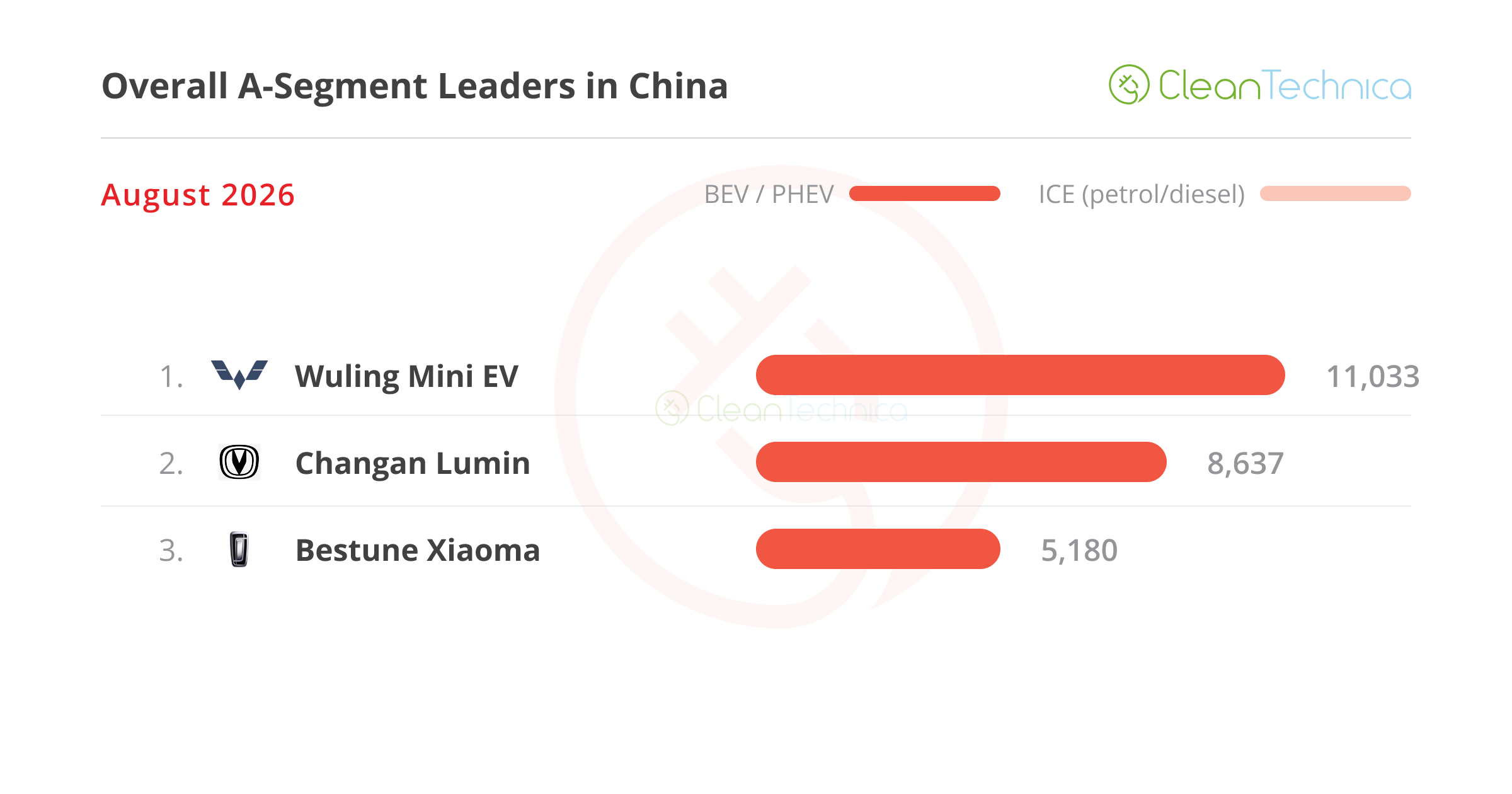
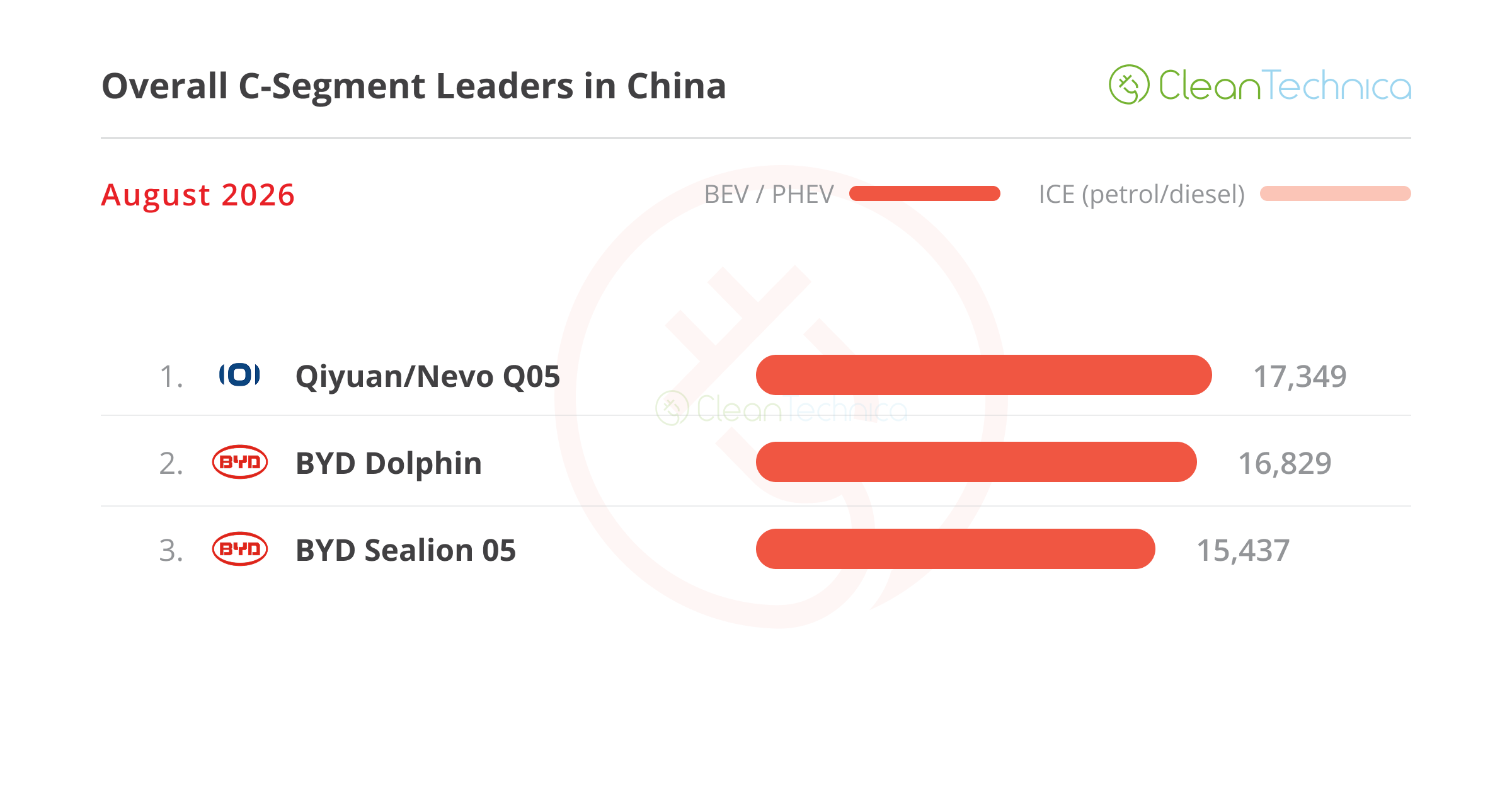
The decline of traditional combustion engines is now reflected in the top-selling model rankings. For the first time in the history of the Chinese market, the top 10 best-selling vehicles are exclusively powered by electric drivetrains, with eight of those spots occupied by pure BEVs. This trend is consistent across all vehicle size segments, where podium positions are now dominated by electric models.
The implications for legacy automotive groups are profound. Financial analysts suggest that the window for recouping research and development investments in ICE technology is closing rapidly. With the market moving toward full electrification, capital expenditure on traditional engine platforms is increasingly viewed as a stranded asset. The dominance of domestic Chinese brands—such as BYD, Geely, and emerging players like Leapmotor—in these rankings illustrates the growing inability of foreign legacy OEMs to compete on price, technology, and software integration.
Export Dynamics and Global Reach
Beyond domestic consumption, the Chinese automotive industry is becoming a formidable global export engine. In August alone, China exported approximately 888,000 vehicles, a 78% increase compared to the same period in the previous year. Crucially, the EV share of these exports is mirroring domestic trends, with 58% of exported vehicles being electrified, up from 40% just one year ago.
This export surge is occurring simultaneously with the rise of local automotive champions in other emerging markets. Manufacturers such as India’s Tata and Mahindra, Vietnam’s VinFast, and Turkey’s Togg are beginning to challenge the status quo, further squeezing the market share of legacy Western and Japanese automakers. The strategy of relying on ICE vehicles in markets outside of China is becoming less sustainable as Chinese manufacturers export their highly competitive, electrified product lines worldwide. This phenomenon is accelerating the electrification of automotive markets in Southeast Asia, Latin America, and Europe.
Key Performance Drivers: Models and Manufacturers
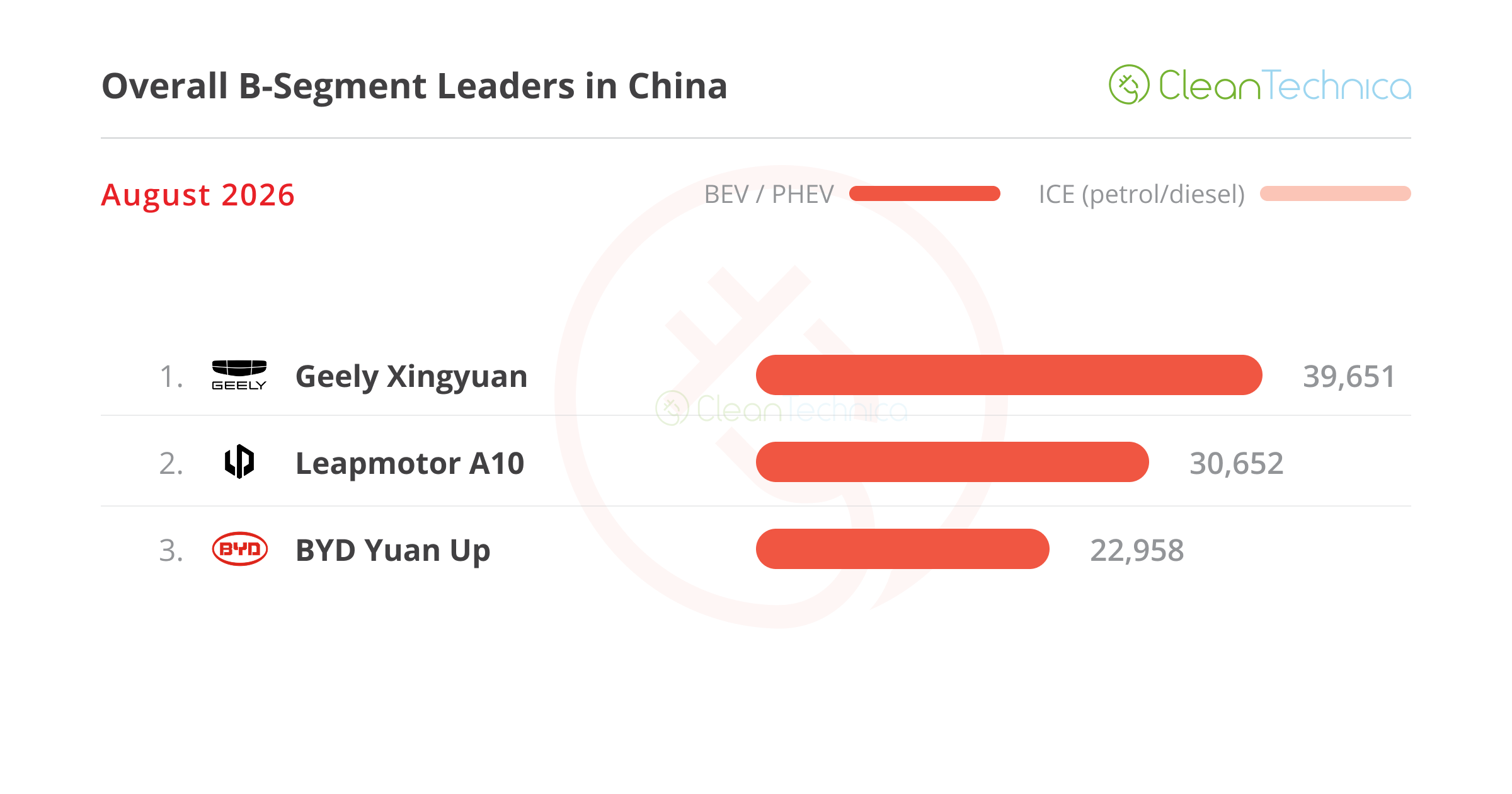
The current market hierarchy reflects a departure from established brands. Geely’s Xingyuan continues to lead the market, supported by a strong value proposition that targets the sub-$10,000 segment. Despite a 14% year-over-year decline in volume, the model remains the benchmark for the B-segment. Meanwhile, Leapmotor has emerged as a disruptive force, with its A10 crossover demonstrating significant production scaling. The A10, priced at approximately 66,000 yuan ($10,000), has successfully captured consumer interest through a combination of aggressive pricing and modern, differentiated design.
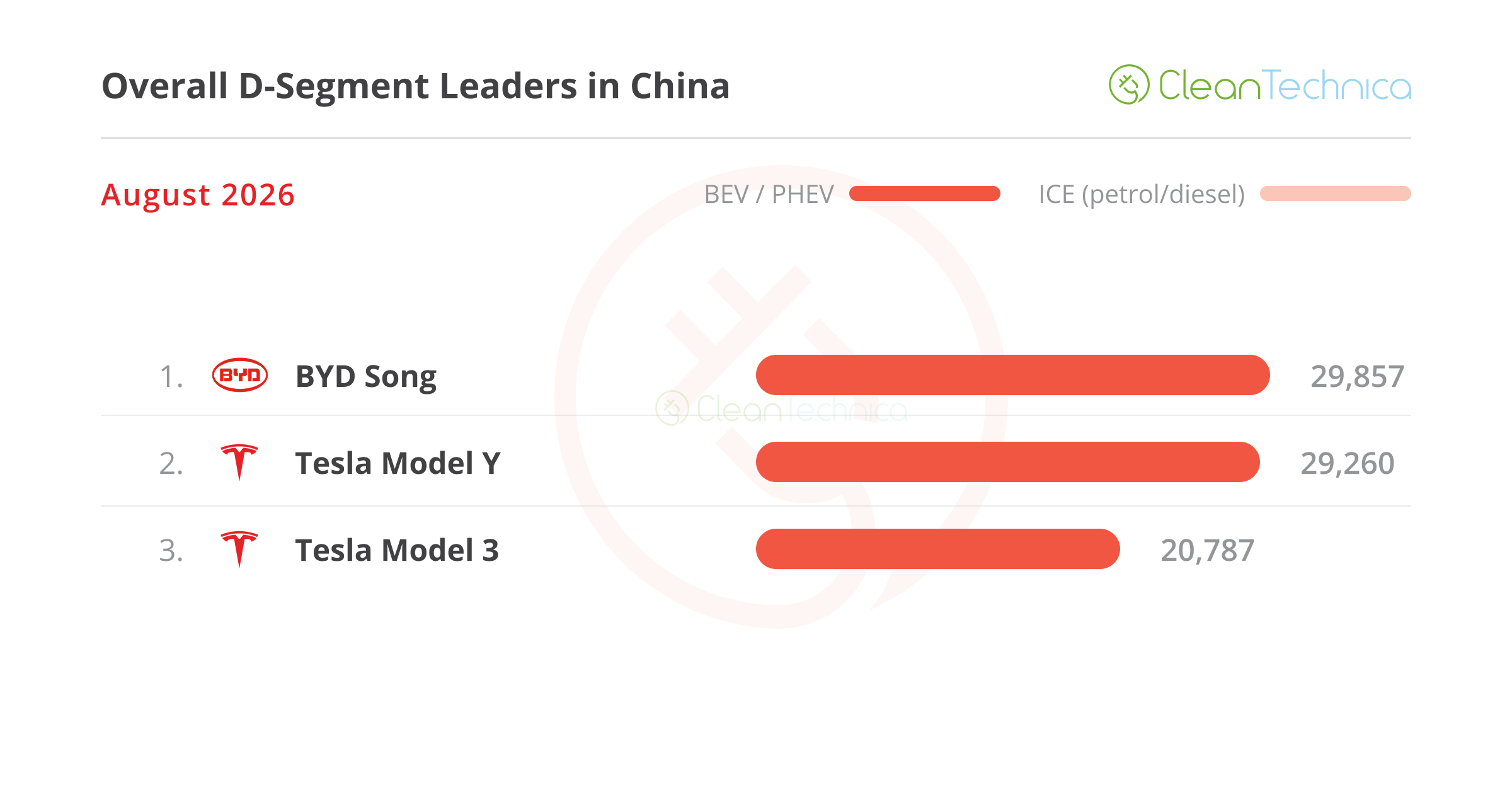
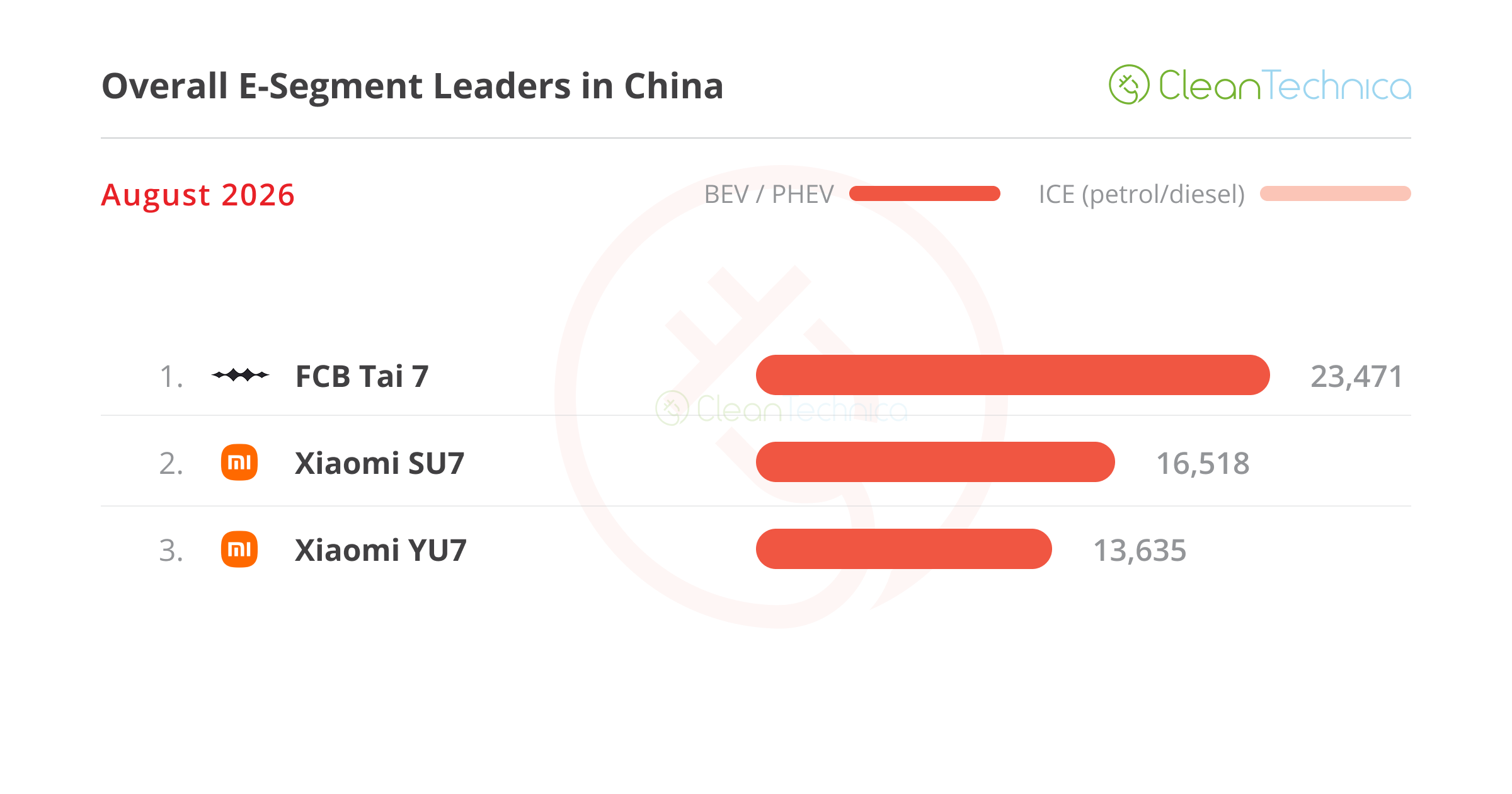
BYD, the undisputed leader in the Chinese NEV space, continues to maintain its dominance by refreshing its lineup. The BYD Song, a midsize SUV, has seen a 16% sales increase compared to the previous year, driven by the rollout of its new "Ultra" generation, which includes advanced features like lidar and 1,500 kW DC charging capabilities. Similarly, the Fang Cheng Bao Tai 7 has emerged as a major player in the premium SUV category, with its BEV variants recently outselling its PHEV counterparts—a clear indicator of shifting consumer preferences toward pure electrification.
Competitive Realignment and Future Outlook
The manufacturer rankings reveal a widening gap between agile, EV-focused companies and legacy groups struggling to adapt. Leapmotor’s 66% year-over-year growth stands in stark contrast to the performance of traditional heavyweights. Toyota recorded a 21% decline in August, while Volkswagen saw its sales volume crater by 40%, dropping it to 4th place in the market.
Leapmotor’s strategy of maintaining a focused, broad-spectrum lineup—covering everything from entry-level city cars to full-size vehicles—has allowed it to challenge larger competitors. Industry observers note that Leapmotor’s trajectory suggests it could soon threaten the market share of established giants like SAIC and Changan. Furthermore, the company is preparing to launch a second, premium-focused brand later in 2026, signaling its intent to capture the higher-margin segments of the market currently dominated by foreign luxury brands.
The collapse of sales for Japanese automakers such as Honda and Nissan, which saw declines of 50% and 55% respectively in August, serves as a warning to international manufacturers. The Chinese automotive market has bifurcated into two distinct realities: a shrinking, legacy-dominated ICE market and a rapidly expanding, high-tech EV market where domestic brands have established a near-total lock on consumer demand.
As the Chinese market moves toward 100% electrification before 2035, the global automotive industry faces a pivotal moment. The lessons learned from the rapid transition in China—centered on the integration of software, battery efficiency, and aggressive cost-structure management—are now being exported. With Chinese OEMs increasingly capable of producing sophisticated, high-performance, and affordable vehicles at scale, the global automotive landscape is bracing for a decade of intense competition, likely resulting in the accelerated decline of traditional combustion-engine manufacturers worldwide.









Leave a Reply