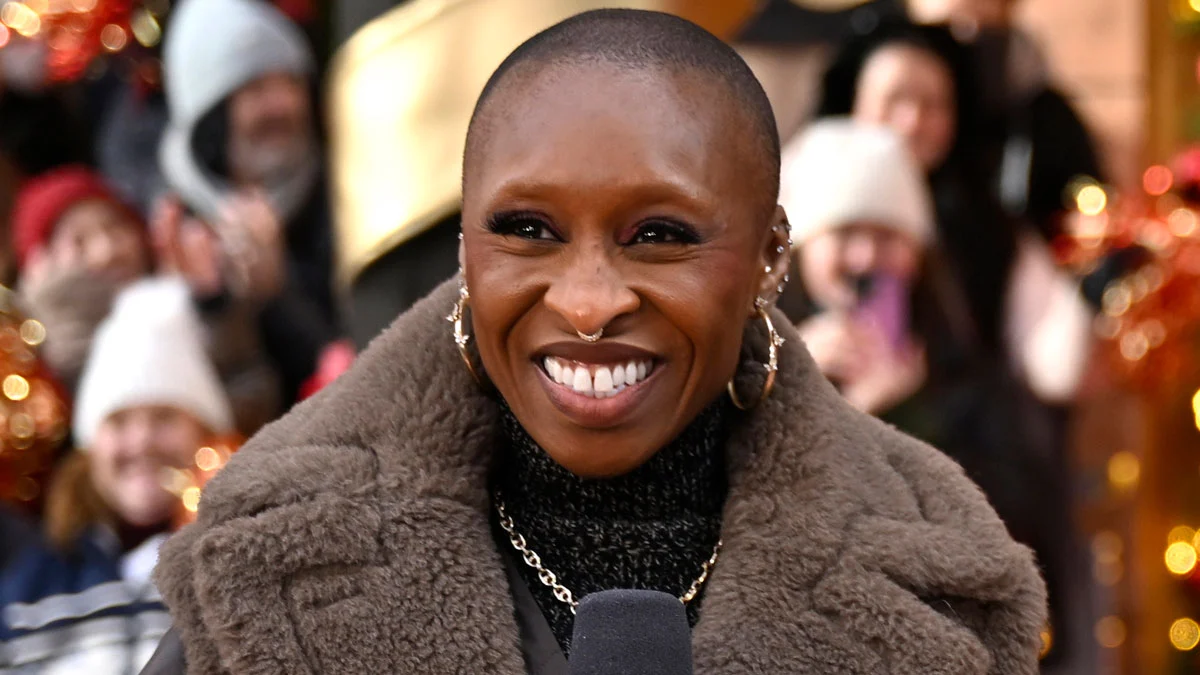
The landscape of hip-hop biopics is set for a significant expansion as production moves forward on Snoop, an upcoming feature film directed by Craig Brewer that chronicles the life, career, and cultural influence of Calvin Broadus Jr., professionally known as Snoop Dogg. In a casting announcement that has garnered substantial industry attention, Academy Award-nominated actress Cynthia Erivo has been tapped to portray Afeni Shakur, the Black Panther activist and mother of the late rap icon Tupac Shakur. Erivo, whose repertoire includes transformative performances in Harriet and the Aretha Franklin series Genius: Aretha, joins a cast headlined by Jonathan Daviss, the Outer Banks breakout star tasked with embodying the legendary West Coast rapper.
The Intersection of Narratives
The inclusion of Afeni Shakur as a pivotal character in a Snoop Dogg biopic underscores the deeply interconnected history of Death Row Records and the broader cultural milieu of the 1990s hip-hop scene. While the film’s primary focus remains on Snoop Dogg’s evolution from Long Beach youth to a global entertainment mogul, the narrative integration of the Shakur family highlights the volatile and transformative period of the mid-1990s.
Afeni Shakur was not merely a peripheral figure; she was a political force whose life was defined by her activism with the Black Panther Party and her subsequent efforts to preserve the legacy of her son. The recent exploration of her life in the FX documentary Dear Mama has refocused public interest on her resilience and the intellectual foundation she provided for Tupac. By casting Erivo, the production team appears to be aiming for a portrayal that captures the gravity and emotional complexity of a woman who navigated both the radical political movements of the 1970s and the turbulent rise of her son within the music industry.
Chronology of Production and Development
The development of Snoop follows a growing trend in Hollywood of producing high-budget, authorized biopics that seek to capture the cultural phenomenon of West Coast hip-hop. Craig Brewer, known for his work on Hustle & Flow and the Coming 2 America sequel, brings a distinct directorial sensibility that often blends gritty realism with mainstream appeal.
- 2023–2024: Pre-production and script development for Snoop began, with Snoop Dogg himself heavily involved in the project through his production banner, Death Row Pictures.
- Early 2025: Casting calls intensified, with Jonathan Daviss being confirmed to lead the project. The search for a performer capable of capturing the nuances of Afeni Shakur became a priority for the casting directors.
- Late 2025: Cynthia Erivo finalized her contract to join the production. Her involvement follows her high-profile work in the Wicked film adaptations, showcasing her versatility in shifting from large-scale musicals to grounded, biographical dramas.
- 2026 and Beyond: Principal photography is scheduled to commence, with the studio targeting a release window that aligns with the ongoing cultural assessment of 1990s hip-hop history.
Historical Significance of Afeni Shakur
To understand the casting choice, one must analyze the weight of the figure Erivo is tasked to portray. Born Alice Faye Williams, Afeni Shakur’s life was marked by her trial as one of the "Panther 21" in the early 1970s. She defended herself in court, ultimately securing an acquittal, a feat that cemented her reputation as a formidable intellectual and legal strategist.
The portrayal of her relationship with Tupac Shakur is central to the history of the era. Her influence was foundational to Tupac’s lyrical content, which often merged street-level narratives with revolutionary sociopolitical commentary. By including her in the Snoop biopic, the filmmakers are signaling that the film will likely delve into the broader social context of the era, moving beyond the traditional "rags-to-riches" music industry trope to explore the political realities that shaped the artists of that generation.
Industry Implications and Creative Direction
The involvement of Cynthia Erivo—a performer known for her meticulous research and immersive acting style—indicates that the production is aiming for a level of gravitas rarely seen in standard musician biopics. Erivo’s track record in biographical roles is extensive. Her portrayal of Harriet Tubman earned her an Academy Award nomination for Best Actress, while her turn as Aretha Franklin demonstrated an ability to inhabit the persona of an American cultural icon.
For Jonathan Daviss, playing the lead in a film about Snoop Dogg presents a significant challenge. Snoop Dogg’s public persona is one of the most recognizable in the world, characterized by a specific cadence, physical demeanor, and a multi-decade evolution. The juxtaposition of a young, ascending star like Daviss with an established powerhouse like Erivo suggests that the film will balance the high-energy nature of the music industry with the intimate, often painful, personal histories of its subjects.
Broader Impact on the Biopic Genre
The decision to focus on the interconnectedness of these figures reflects a maturation in how Hollywood approaches music history. Rather than focusing on a single, isolated life, Snoop appears to be leaning into the "cinematic universe" approach to hip-hop history. This method allows for a richer tapestry of storytelling, where characters like Afeni Shakur or other notable figures of the Death Row era serve as prisms through which the audience can view the protagonist’s journey.
Furthermore, this film serves as an addition to a crowded market of music biopics. Following the success of Straight Outta Compton, Elvis, and Bob Marley: One Love, the commercial viability of such projects has been firmly established. However, audiences are increasingly demanding a higher degree of historical accuracy and character depth. By securing talent of Erivo’s caliber, the production team is mitigating the risk of superficiality, ensuring that the human elements of the story—the relationships between mothers, sons, and the community—remain the anchor of the narrative.
Financial and Cultural Context
Snoop Dogg’s acquisition of the Death Row Records brand in 2022 marked a turning point in his career, transitioning from an artist to a steward of his own legacy. The biopic is effectively a cornerstone of this brand management. From a market perspective, the film is expected to leverage the global recognition of Snoop Dogg’s catalog while simultaneously benefiting from the current, renewed academic and public interest in the history of the Black Panther Party and its descendants.
The partnership with major distributors and the high production value associated with Craig Brewer’s films suggest a significant financial investment. The film will be competing for a demographic that spans generations—from those who grew up listening to the Doggystyle album to younger audiences currently engaging with the cultural legacy of Tupac through documentaries and social media discourse.
Conclusion: A Performance-Driven Narrative
As the production moves toward its principal filming phase, the focus will remain on the chemistry between the leads and the authenticity of the script. Cynthia Erivo’s entry into the project is more than just a casting headline; it is a statement of intent regarding the film’s tone. By bringing a performer of her stature into the role of Afeni Shakur, the producers are ensuring that the emotional and historical weight of the 1990s rap movement is not sidelined by the spectacle of the music industry.
The biopic Snoop is positioned to be a landmark release in the coming years. Whether it succeeds in balancing the mythos of the West Coast rap icon with the lived reality of those who surrounded him remains to be seen. However, with a script guided by the subject’s own life experiences and a cast capable of navigating complex historical personas, the film is set to be a focal point of cultural conversation upon its release. The industry will be watching closely to see if this iteration of the musical biopic can transcend its genre constraints to provide a lasting, nuanced portrait of a life lived at the center of a cultural revolution.