
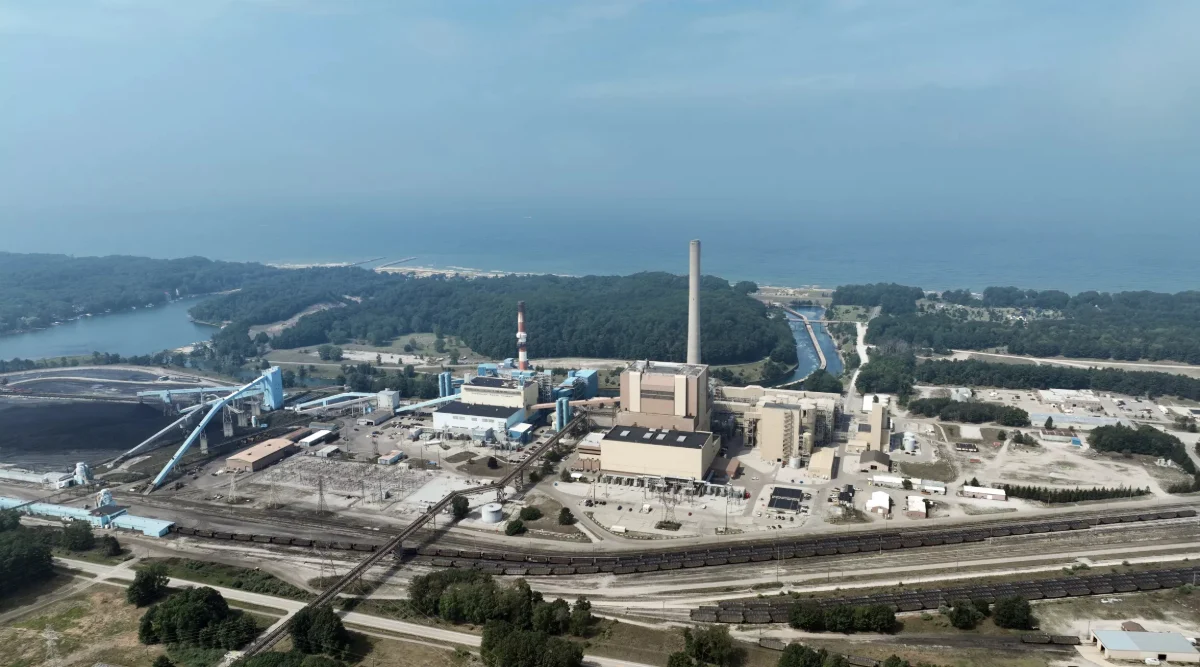
The U.S. Court of Appeals for the District of Columbia Circuit issued a pivotal ruling on September 11, 2026, invalidating the Department of Energy’s (DOE) repeated use of emergency authority to force the continued operation of the J.H. Campbell generating station in West Olive, Michigan. The decision marks a significant legal setback for federal efforts to bypass state-level energy planning by invoking Section 202(c) of the Federal Power Act. For years, the facility, which first came online in 1962, served as a cornerstone of Michigan’s coal-fired electricity grid, but its recent forced extensions have become a focal point of a national debate regarding the limits of executive authority in the power sector.
The Genesis of the J.H. Campbell Conflict
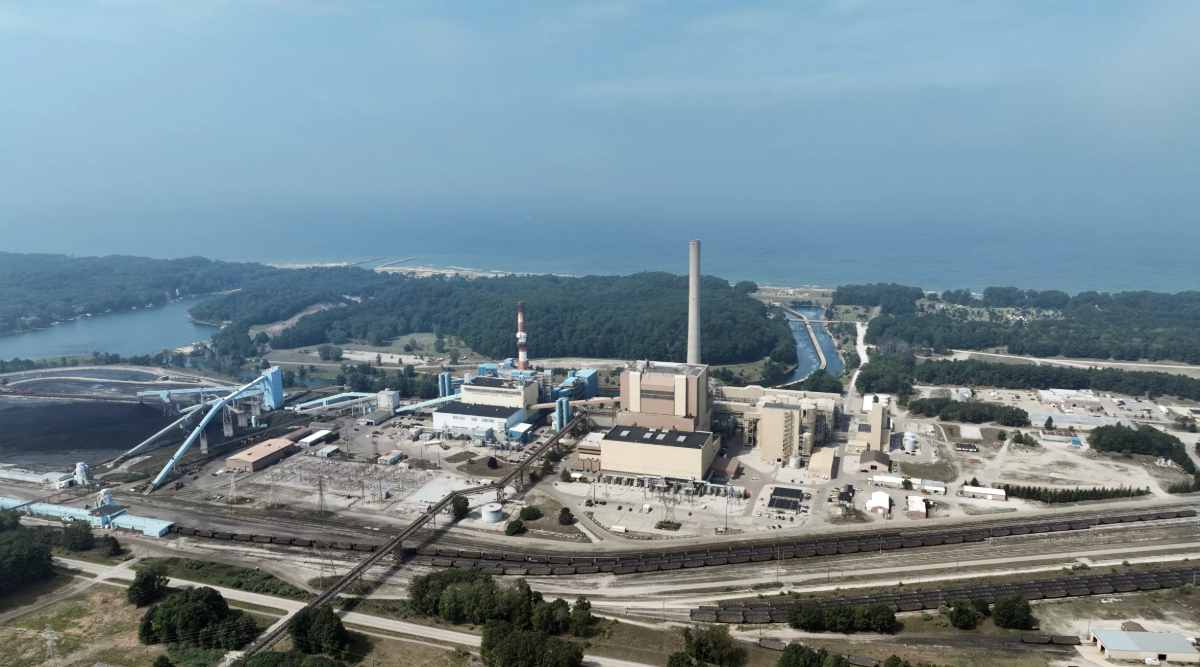
The J.H. Campbell complex, situated on the shores of Lake Michigan, reached a peak capacity of 1,420 MW across its three generating units. By 2022, the owner, Consumers Energy, concluded that the aging infrastructure had reached the end of its economic and operational life. Following extensive studies, the utility proposed a transition plan to replace the coal facility with a modern, diversified portfolio consisting of natural gas, utility-scale solar arrays, and high-capacity battery storage systems.
This transition plan underwent rigorous scrutiny by the Michigan Public Service Commission and the Midcontinent Independent System Operator (MISO), the regional transmission organization responsible for ensuring grid reliability across the Midwest. Both bodies concurred that the proposed replacement resources were sufficient to maintain, and in many cases improve, the reliability and affordability of the regional grid. Despite these findings, the DOE, under the direction of the Trump administration, issued a series of emergency orders under Section 202(c) of the Federal Power Act, compelling the plant to remain online.
Chronology of Regulatory Friction
The legal and administrative tug-of-war began in earnest following the development of a strategy spearheaded by Russell Vought, a former official who scrutinized federal statutes for latent authorities. Section 202(c) of the Federal Power Act, historically intended to address short-term, extreme weather-related grid instability, became the instrument of choice for these mandates.
- May 2025: The Department of Energy issues its first 90-day emergency order, citing an “energy emergency” and preventing the scheduled retirement of the J.H. Campbell facility.
- Late 2025 – Mid-2026: The administration issues six consecutive 90-day extensions. In each instance, the DOE declares that the grid requires the facility’s output, effectively overriding the decommissioning schedule set by the utility and regional grid operators.
- January 2026: A coalition of states—including Michigan, Minnesota, and Illinois—alongside environmental organizations such as Earthjustice and the Sierra Club, file a formal lawsuit challenging the legality of the extensions.
- September 11, 2026: The D.C. Circuit Court of Appeals issues a ruling, with Judge Cornelia Pillard writing for the panel, declaring the DOE’s claims of an ongoing emergency to be “fictitious” and an overreach of federal authority.
Judicial Reasoning and the Limits of Section 202(c)
The court’s decision rests on a strict interpretation of “emergency.” The ruling clarifies that the Federal Power Act’s emergency provisions are designed to respond to immediate, temporary disruptions—such as severe weather events or sudden transmission failures—rather than to serve as a tool for long-term resource planning.
Judge Pillard noted that the management of regional power supplies is primarily a state and utility responsibility. By intervening in the absence of a genuine, imminent threat to grid stability, the DOE infringed upon the regulatory autonomy of state agencies. Michael Lenoff, lead attorney for Earthjustice, characterized the ruling as a necessary check on federal overreach, stating that emergency powers cannot be used as a vehicle to pick preferred energy resources or circumvent the established, market-driven processes for plant retirement.
Economic and Operational Implications
The forced operation of the J.H. Campbell plant has had measurable consequences for ratepayers and the stability of the MISO grid. According to data analyzed by advocacy groups and independent analysts, ratepayers in the MISO service area have contributed upwards of $248 million to maintain the facility during its extended period of operation.
Furthermore, operational data from 2025 suggests that the aging plant has struggled to maintain the reliability the DOE claimed it provided. On June 23, 2025—one of the most demanding days for the grid that summer—Campbell Unit 1 suffered an unexpected outage. Simultaneously, Unit 2 had been offline since the onset of the May 2025 emergency order. Critics argue that forcing the operation of aging, coal-burning infrastructure actually introduces more volatility into the system compared to the modern, distributed energy resources that were slated to replace it.
A report by the consulting firm Grid Strategies indicates that if the current federal strategy of preventing coal plant retirements were applied nationwide for the duration of the current administration, the cumulative cost to American consumers could exceed $3 billion annually. These costs, which are often passed through to electricity bills, include maintenance of aging assets and the opportunity costs associated with delaying the deployment of cheaper, cleaner, and more efficient technology.

Official Reactions and Future Outlook
The ruling has been met with relief by a coalition of public interest groups. Kathryn McGrath of Earthjustice emphasized that the court’s decision affirms that the DOE cannot override long-term planning processes for non-emergency purposes. The Sierra Club’s chief appellate counsel, Sanjay Narayan, framed the ruling as a victory for families burdened by the costs of keeping an expensive, obsolete plant in operation.
While the administration has not yet signaled its next move, the precedent set by the D.C. Circuit Court complicates future attempts to use Section 202(c) as a tool for industrial policy. The ruling suggests that any future invocation of emergency powers will face a much higher evidentiary burden. The Department of Energy must now demonstrate a clear, factual basis for an “imminent” emergency, a standard that legal experts believe will be difficult to meet in cases where the grid operator has already signed off on a plant’s closure.
Broader Impact on the Energy Transition
This case underscores a fundamental conflict in American energy policy: the tension between a decentralized, state-led planning model and a top-down federal approach. As the industry shifts toward renewable energy, battery storage, and natural gas, the retirement of coal plants is becoming a standard feature of the transition.
The legal victory in the J.H. Campbell case serves as a warning against the use of administrative procedures to protect specific industry sectors from market competition. As utilities continue to modernize their fleets, the role of the courts in balancing federal authority with state-level regulatory authority will likely remain a critical theme. The outcome in Michigan establishes a significant hurdle for any administration seeking to utilize emergency powers to alter the trajectory of the nation’s power sector, reinforcing the principle that federal intervention must be anchored in reality, not policy preference.
For the residents of West Olive and the broader Midwest, the ruling signifies the potential end of a costly and contentious chapter. The focus now shifts back to the original decommissioning plans, which aim to integrate new technologies that align with both the economic realities of the modern energy market and the long-term grid reliability requirements of the region. Whether this ruling will deter future attempts to use federal emergency powers remains to be seen, but for now, the judiciary has reasserted the boundaries of the executive branch in the electricity sector.








Leave a Reply