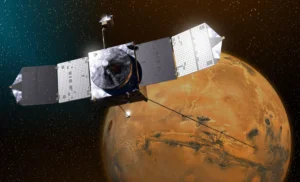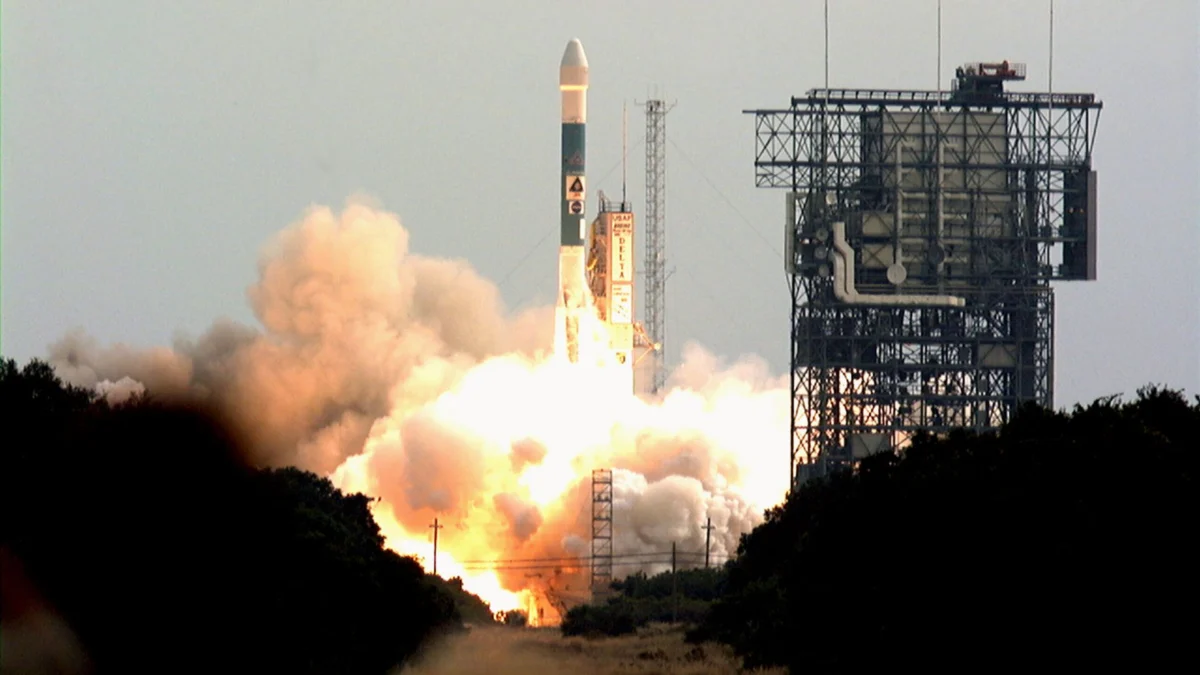
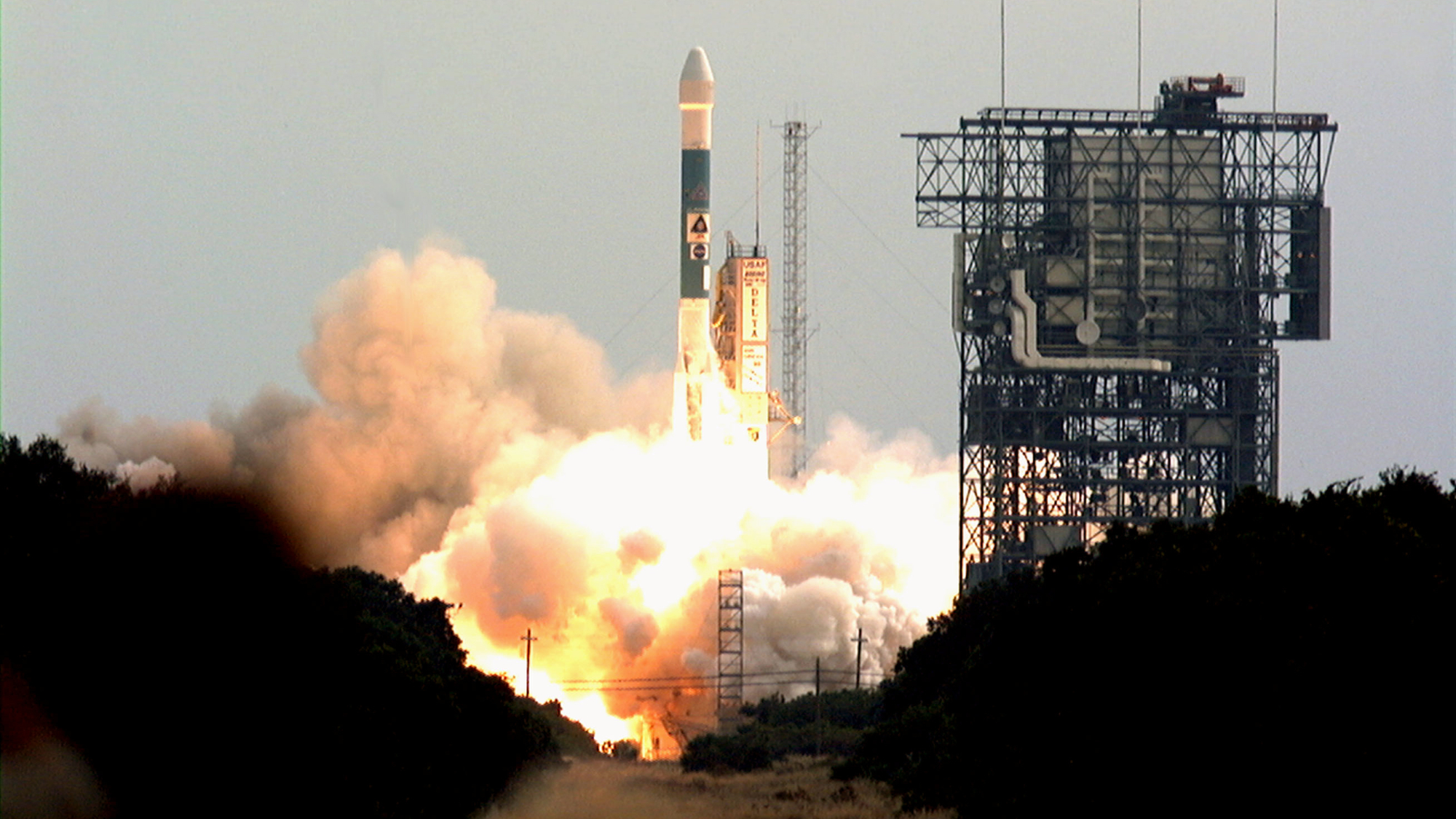
On November 7, 1996, NASA launched the Mars Global Surveyor mission, marking a pivotal return to the Red Planet after a nearly two-decade hiatus in exploration. The mission, which lifted off from Cape Canaveral Air Force Station aboard a Delta II rocket, signaled a new chapter in robotic space science. Following the conclusion of the Viking program in the mid-1970s, the planetary science community had spent years advocating for a robust, high-resolution mapping mission that could provide the context necessary for future surface landings. Mars Global Surveyor (MGS) was designed to do exactly that, serving as both a pioneering orbiter and a crucial telecommunications relay for the subsequent generation of surface rovers.
A Legacy of Scientific Firsts
The MGS spacecraft, managed by NASA’s Jet Propulsion Laboratory (JPL), was engineered to be an all-encompassing observer. Over its nearly decade-long tenure in orbit, it transformed humanity’s understanding of the Martian surface, interior, and atmosphere. Among its most profound contributions was the discovery of surface features that suggested liquid water had flowed on Mars in the geologically recent past. By utilizing its Mars Orbiter Camera (MOC), the probe identified gullies and channels that, while seemingly ancient, showed signs of erosion consistent with water-borne processes.
Beyond water, MGS was instrumental in mineralogical mapping. It identified deposits of hematite—a mineral that typically forms in aqueous environments—at the Meridiani Planum region. This finding was a direct driver for mission planning; it provided the scientific justification for targeting the area as a landing site for the Opportunity rover, which successfully confirmed the presence of hematite and geological evidence of a water-rich history.
Chronology of a Ten-Year Odyssey
The mission trajectory was defined by methodical, long-term observation:
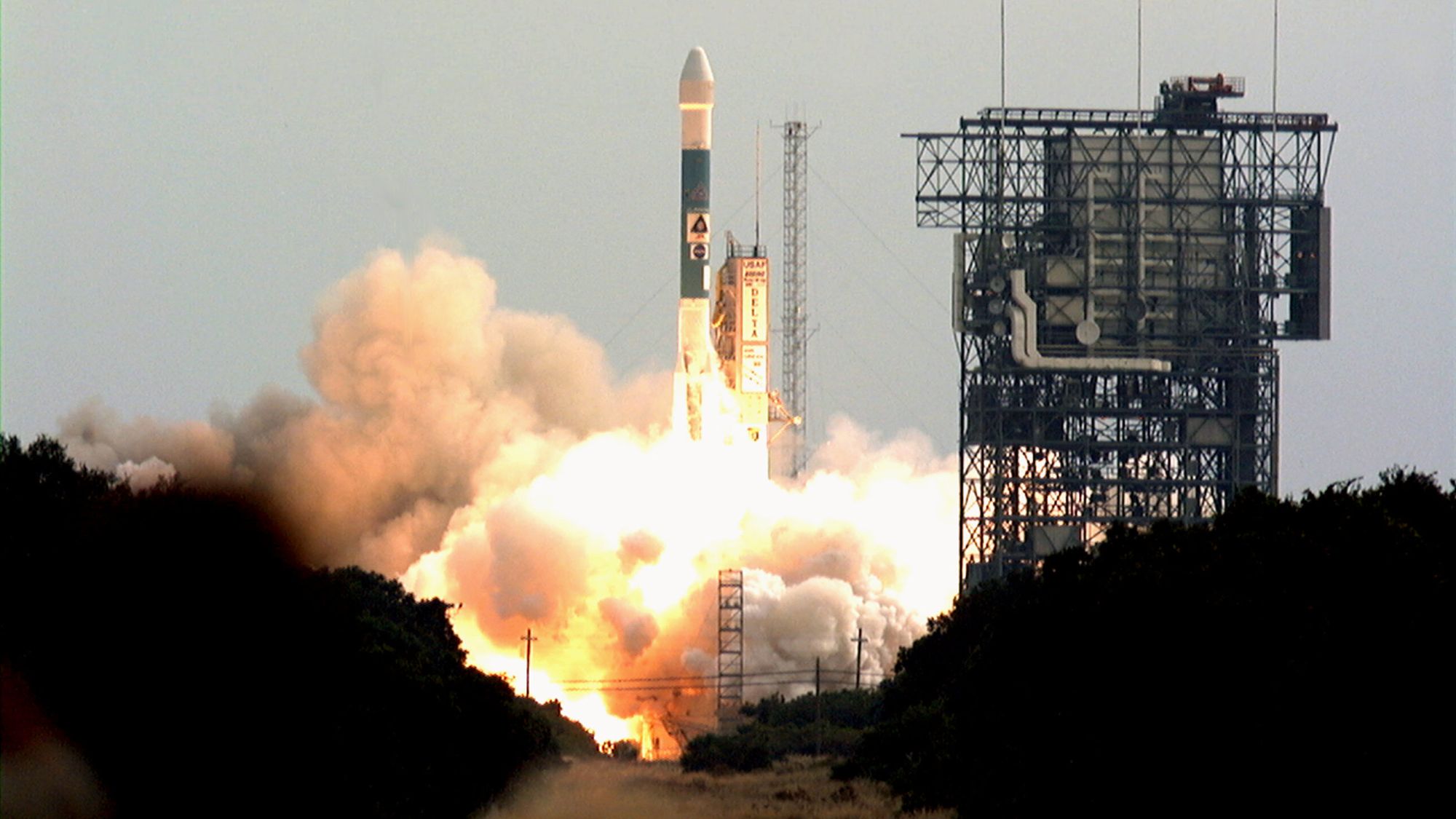
- November 1996: Launch of the MGS orbiter.
- September 1997: MGS reaches the Martian system and initiates a complex "aerobraking" maneuver, using the thin atmosphere of Mars to gradually circularize its orbit.
- March 1999: The spacecraft begins its primary mapping mission, collecting global data on temperature, mineralogy, and topography.
- 2001–2004: MGS transitions into its extended mission phase, acting as a critical communication bridge for the Mars Pathfinder/Sojourner mission, and later, the Spirit and Opportunity rovers.
- November 2006: Following a routine solar array adjustment, a configuration error caused the spacecraft to point its solar panels toward the sun in a way that overheated a battery, leading to a permanent loss of power and communication.
The Role of the Orbital Relay
Perhaps the most understated but vital function of MGS was its role as a digital intermediary. As NASA began to deploy surface rovers like Sojourner, Spirit, and Opportunity, the challenge of direct-to-Earth communication became a significant bottleneck. Due to the distance and the limited power of the rovers’ high-gain antennas, the rovers required a relay system to transmit large volumes of data back to Earth efficiently.
MGS provided this "bent-pipe" relay capability, receiving data from the surface assets and beaming it back to the Deep Space Network on Earth. This architecture effectively doubled the scientific return of the rover missions, allowing them to send higher-resolution imagery and complex analytical data that would have otherwise taken weeks to transmit via direct links. The success of this relay architecture cemented the "Orbiter-as-Relay" model as a standard operating procedure for every subsequent Mars mission, including those of the Mars Reconnaissance Orbiter and the Mars Odyssey spacecraft.
Scientific Implications and Climate Insights
The data harvested by MGS allowed scientists to construct the first comprehensive global map of Mars. By observing the south pole, the orbiter captured evidence of dynamic seasonal climate change, noting the sublimation and deposition of carbon dioxide ice. This provided a window into the Martian climate system, revealing a world that is not a static, dead landscape, but one with active atmospheric cycles and shifting surface conditions.
Furthermore, the MGS laser altimeter (MOLA) created a topographical map of such high precision that it remains a cornerstone reference for mission navigation to this day. By measuring the "height" of the planet, researchers were able to infer the thickness of the Martian crust and the density of its interior, providing clues to the planet’s thermal evolution.
The Final Silence
The loss of the spacecraft in November 2006 was a quiet end to a remarkably productive mission. A ground-based command error initiated an unnecessary solar panel movement that exposed a battery to direct, unfiltered sunlight. The resulting thermal damage triggered a chain reaction of failures. Despite repeated attempts by mission controllers to re-establish a link through various X-band frequencies and "blind" commands, the spacecraft remained silent.
At the time of its loss, MGS had far exceeded its original design life. It had been expected to function for a single Martian year—roughly 687 Earth days—but it continued to operate for over nine years. Its longevity allowed it to witness the arrival of several missions, effectively bridging the gap between the pioneer era of the 1970s and the modern, data-rich era of the 21st century.
Impact on Future Exploration
The institutional knowledge gained from MGS cannot be overstated. NASA’s ability to manage the delicate, years-long process of aerobraking taught engineers how to conserve fuel while placing heavy payloads into specific, sun-synchronous orbits. This technique has since become a standard maneuver for all orbital missions at Mars and elsewhere.
Moreover, the mission fostered a new culture of "collaborative exploration." MGS proved that an orbiter and a lander are not independent entities but components of an integrated network. The scientific community’s ability to cross-reference orbital mineralogy with ground-truth data from the rovers changed the philosophy of planetary exploration. Scientists stopped looking at Mars as a series of isolated targets and began viewing it as an interconnected system.
The success of the Mars Global Surveyor mission serves as a testament to the longevity of well-designed, adaptable spacecraft. It proved that in the harsh, unpredictable environment of deep space, a mission’s greatest strength is its ability to evolve alongside the technology it supports. While the spacecraft itself now orbits the planet in silence, the data it gathered continues to be cited in academic literature and serves as the foundation for ongoing research into the possibility of past life on the Red Planet. As NASA looks toward future human exploration, the blueprints for communication, mapping, and orbital mechanics established by MGS remain the silent pillars upon which those future achievements will be built.