
The global transition toward sustainable energy is frequently analyzed through the lens of policy, utility-scale infrastructure, and corporate manufacturing shifts. However, the grassroots movement—often spearheaded by individual "clean energy evangelists"—remains a critical component in normalizing new technologies for the general public. As of mid-2026, the intersection of automotive history, local car culture, and the rapid advancement of Battery Electric Vehicles (BEVs) highlights both the progress of the transition and the remaining psychological barriers to mass adoption.
The Evolution of the Consumer EV Landscape
In the decade since the mainstream emergence of long-range electric vehicles, the landscape has shifted from a niche hobbyist segment to a diverse market offering options for various socioeconomic brackets. Data from the mid-2026 automotive market reveals that the barrier to entry has significantly lowered, both in terms of initial purchase price and financing accessibility.
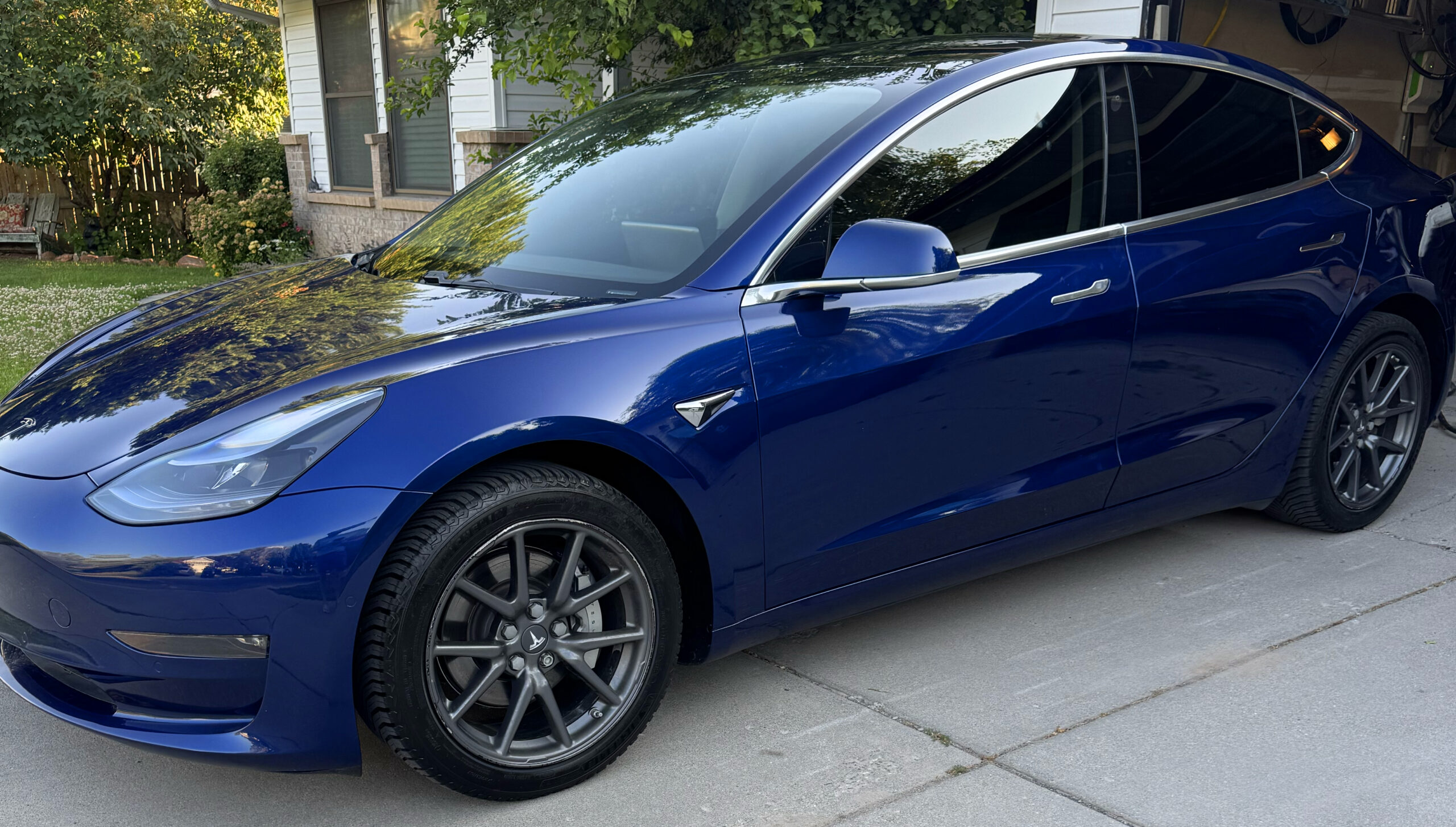
Current financing structures for base-model electric vehicles have adjusted to prevailing economic conditions, with interest rates on new Tesla Model Y and Model 3 units hovering between 1.5% and 2.0%. While this represents an increase from the near-zero-percent financing periods seen earlier in 2026, the monthly cost of ownership remains competitive. For example, entry-level financing for a standard-range Model Y currently approximates $559 per month, while a Model 3 sits at roughly $529. These figures suggest that the "affordability gap" between internal combustion engine (ICE) vehicles and BEVs is closing, particularly when accounting for the total cost of ownership (TCO) over the life of the vehicle, which includes significantly lower fuel and maintenance expenditures.
The Role of Visible Advocacy in Local Communities
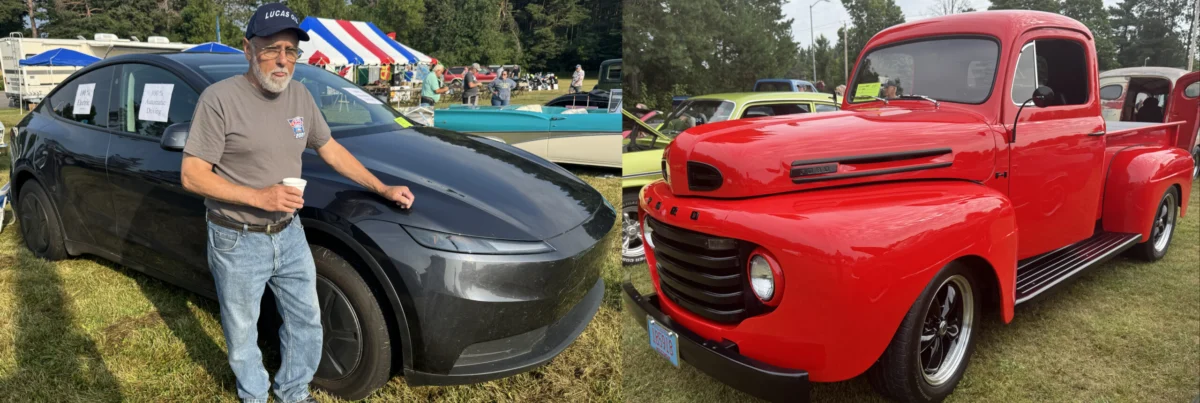
Advocacy efforts often face resistance in traditional settings. A primary example occurred on August 1, 2026, during a regional car show in Three Lakes, Wisconsin. The event, largely dominated by classic, restored gasoline-powered vehicles, served as a microcosm for the friction between legacy automotive enthusiasts and the modern electric transition.
Participants who brought 2026-model EVs to such events often find that the enthusiasm of the crowd is heavily skewed toward mechanical complexity and historical nostalgia. While a vintage Ford truck may draw crowds interested in mechanical restoration, a modern BEV—despite being 100% electric and capable of autonomous driving—is frequently viewed through a lens of skepticism or indifference by traditionalist audiences. This dynamic underscores the challenge for clean energy advocates: visibility is necessary for normalization, but the cultural gap between "motorheads" and "electron-heads" remains wide.

Navigating the Used EV Market
For consumers looking to enter the electric market, the secondary, or used, vehicle market presents a complex paradox. As of late 2026, many traditional car dealerships remain ill-equipped to handle the nuances of electric vehicle inventory. Unlike internal combustion vehicles, which are primarily valued by year, make, model, and mileage, BEVs require an understanding of battery health, software hardware versions (such as Tesla’s Hardware 2.0 through 4.0), and the status of software-based features like Full Self-Driving (FSD).
Because many general-use dealerships lack the training to categorize these features accurately, they often fail to communicate the true value of the vehicles on their lots. This creates a dual-edged outcome: consumers who are knowledgeable about EV technology can occasionally secure significant bargains—such as finding a seven-year-old high-performance model for under $15,000—while the average buyer risks purchasing a vehicle without knowing its long-term software capabilities or battery longevity. Industry analysts suggest that as more EVs enter the secondary market, standardized diagnostic reports (similar to CARFAX for ICE vehicles) will become mandatory for maintaining market liquidity.
The Multi-Modal Approach to Energy Consumption
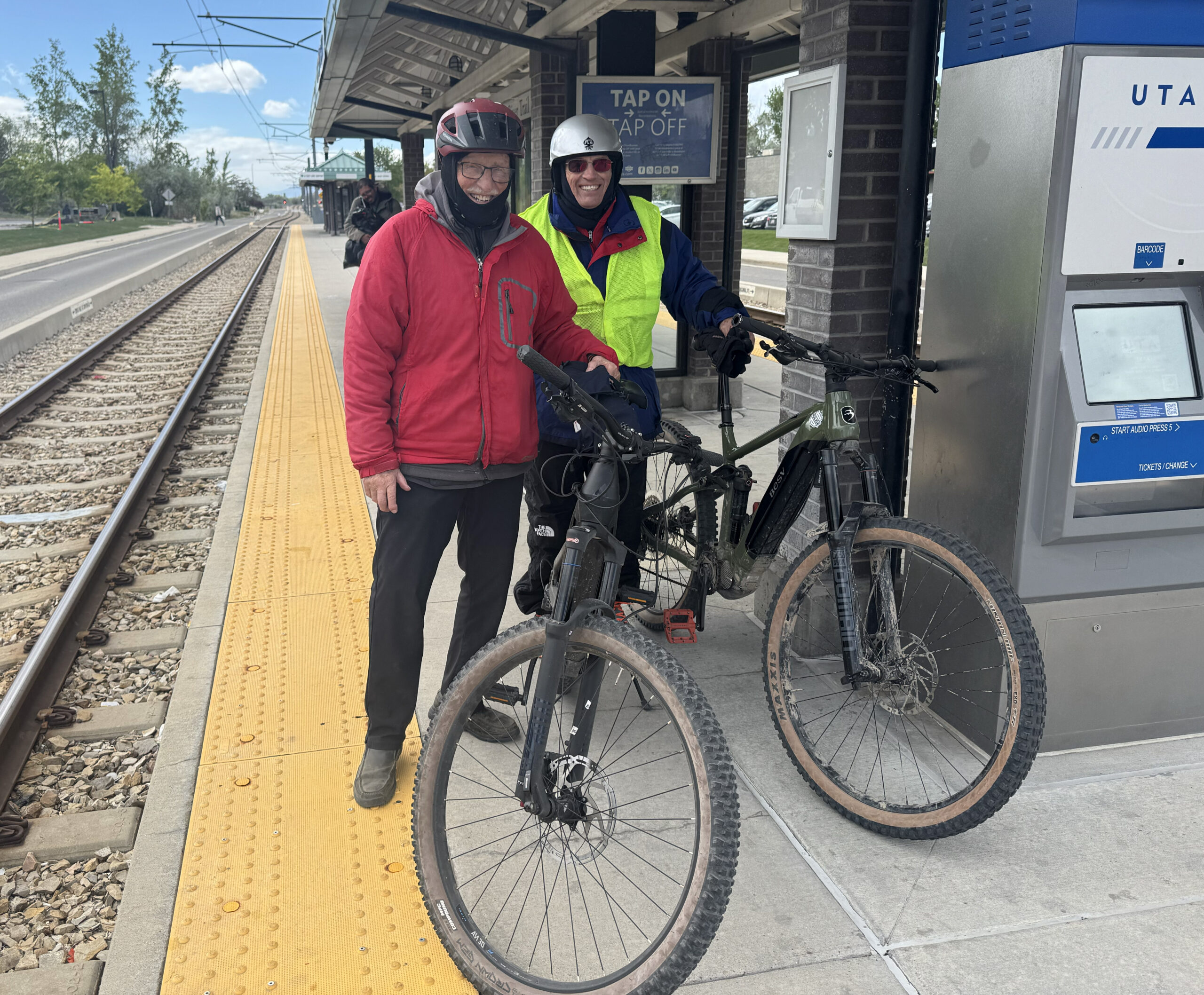
True clean energy advocacy, according to those embedded in the movement, involves more than just swapping a gas sedan for an electric one. It requires a fundamental shift in "bookend transportation"—the integration of secondary modes of transit to replace the need for a second or third household vehicle.

The rise of the e-bike, particularly mountain-capable electric bicycles, has provided a viable solution for local errands, commuting, and short-distance travel. The technical evolution of these bicycles—featuring increased torque, durable frames capable of handling varied terrain, and improved battery density—allows them to serve as genuine alternatives to automobiles in suburban and rural settings. This shift aligns with broader climate goals: by reducing reliance on personal light-duty vehicles for short trips, households significantly decrease their total sub-micron particle emissions, which are heavily generated by brake pad wear and tire degradation in traditional cars.
Environmental Implications and Efficiency
The environmental argument for the transition rests on the stark efficiency gap between propulsion technologies. A modern BEV is approximately 90% efficient in converting stored energy into motion, whereas an internal combustion engine typically operates at 20% to 30% efficiency. Furthermore, the regenerative braking systems in BEVs dramatically reduce the shedding of particulate matter, a major source of urban air pollution that often goes unaddressed in emissions debates.
Beyond the vehicle, the holistic clean energy lifestyle involves transitioning household infrastructure to electricity. This includes the replacement of gas-fired water heaters and furnaces with high-efficiency heat pumps, and the integration of localized energy generation—typically rooftop solar paired with stationary battery storage.
Broader Impact and Future Outlook
As the automotive industry continues to move toward a unified charging standard (NACS), the interoperability of the national charging network is expected to improve, further lowering the barrier for potential converts. With major brands now gaining access to the Supercharger network, the "range anxiety" that historically hindered adoption is being replaced by a focus on charging infrastructure density.
The "Clean Energy Evangelist" model, while grassroots, serves as a bellwether for the broader transition. The strategy is clear: be informed about the technology, replace fossil-fuel-dependent systems at the end of their lifecycle, and utilize visible advocacy to demonstrate the practicality of these solutions. While the transition will continue to be driven by macro-economic factors and legislative mandates, the individual consumer’s choice to adopt these technologies remains the engine that sustains market momentum.
For the average citizen, the path forward is not necessarily a sudden, wholesale abandonment of traditional habits, but a sequential process of replacing legacy appliances and vehicles with electric alternatives as they reach the end of their functional lives. This incremental approach, supported by informed purchasing and community-level visibility, is likely to be the most durable strategy for achieving a sustainable energy future.









Leave a Reply