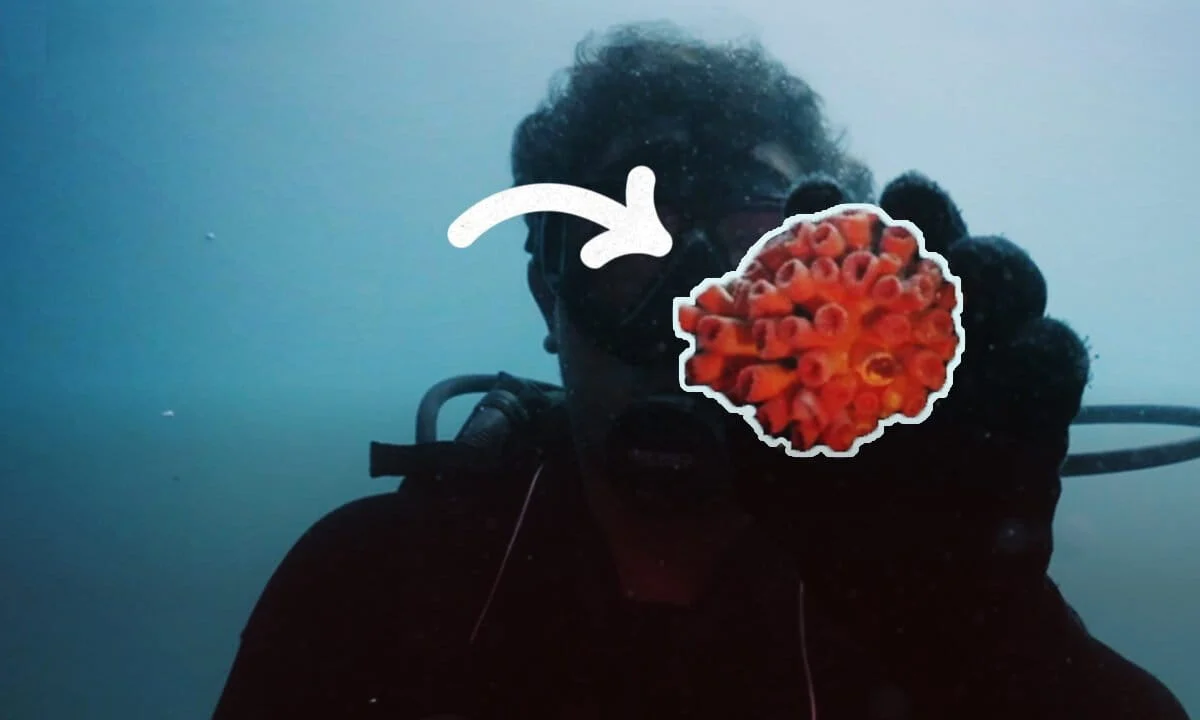
Biologists and Volunteer Divers Are Battling the Spread of Invasive Sun Coral
Beneath the shimmering turquoise surface of Brazil’s coastal waters, a silent and relentless ecological transformation is unfolding, threatening to upend delicate marine ecosystems that have evolved over millennia.
The culprits are two species of sun coral—Tubastraea coccinea and Tubastraea tagusensis—vibrant, golden-orange organisms native to the Indo-Pacific oceans. Brought to South American waters decades ago via human maritime activities, these invasive corals have found a remarkably hospitable environment along the Brazilian coastline. Lacking natural predators in their adopted home, the sun corals are expanding aggressively, smothering native marine life, rewriting the biodiversity dynamics of rocky reefs, and presenting conservationists with one of the most formidable marine management challenges in the region’s history.
As scientists, public authorities, and volunteer divers join forces to push back against the invasion, the ongoing battle off the coast of Rio de Janeiro serves as both a localized conservation effort and a critical case study for marine protection worldwide.
The Origins and Expansion of an Aquatic Invader
The presence of Tubastraea species in Brazilian waters was first officially documented in the 1980s. Marine biologists trace the introduction of the invasive coral back to offshore oil and gas platforms operating off the coast of Rio de Janeiro state. Oil rigs and floating production vessels serve as ideal artificial substrates for the larvae of these hardy organisms. Attached to imported infrastructure or transported via ballast water, the coral polyps crossed oceans before finding a foothold on the structures supporting Brazil’s burgeoning offshore energy sector.
Once established on artificial platforms, the sun coral did not remain confined to industrial hardware. Its reproductive cycle relies on the prolific release of planula larvae, which drift on ocean currents before settling on hard surfaces. Natural rocky reefs, jetties, shipwrecks, and even the shells of native marine organisms quickly became prime targets for colonization.
The sheer speed of the sun coral’s expansion is alarming. Historical tracking and marine surveys indicate that Tubastraea species can expand their geographic range at an estimated rate of approximately 2 kilometers (1.2 miles) per year. From its initial localized foothold in the southeast, the invasion has metastasized northward and southward. Today, sun coral populations have been identified across an estimated 3,500 kilometers (2,175 miles) of the Brazilian coastline, spanning multiple states and diverse marine ecosystems.
Ecological Mechanisms: Why Sun Coral Outcompetes Native Species
The destructive potential of the sun coral lies in its aggressive biological traits and the absence of checks and balances that exist in its native Indo-Pacific habitat. In the tropical waters of the Pacific and Indian oceans, various fish species, invertebrates, and environmental pressures naturally prey upon or restrict the growth of Tubastraea. In the Atlantic, however, local predators largely ignore the invasive coral, allowing colonies to proliferate unchecked.
Sun corals are prolific colonizers capable of dominating rocky reefs by rapidly monopolizing available space. Unlike many native reef-building stony corals that grow slowly, Tubastraea species expand rapidly, blanketing surfaces and physically blocking native species from accessing the substrate required for growth and reproduction.
Furthermore, sun coral employs chemical warfare to secure its territory. The organisms release potent allelopathic chemicals into the surrounding water—compounds that are toxic to neighboring marine life. As these chemicals leach into the immediate environment, they damage and kill nearby corals, including ecologically vital native species such as the Brazilian brain coral (Mussa angulosa) and various star coral species (Millepora and Siderastrea).

The ripple effects of this ecological displacement are profound. Rocky reefs function as complex marine cities, providing shelter, breeding grounds, and feeding habitats for a vast array of organisms. When sun coral overtakes a reef, small invertebrates—such as crabs, shrimp, and specialized mollusks—lose their micro-habitats and disappear. Consequently, the larger fish populations that rely on these organisms for food experience declines, disrupting the entire local marine food web.
Marine researchers have established critical thresholds for ecosystem degradation. Studies indicate that once sun coral covers approximately 45% of a given rocky reef, the local ecosystem has crossed a tipping point, becoming profoundly and perhaps irreversibly altered.
The Frontline: The Fight for the Cagarras Islands
Recognizing the existential threat posed by the invasion, Brazil has mobilized a coordinated response. In 2018, the federal government enacted a comprehensive National Plan to Prevent, Control, and Monitor the Invasion of Sun Coral (Plano Nacional de Controle e Erradicação do Coral-Sol). This strategic framework brought together academic researchers, federal conservation agencies, non-governmental organizations, and public authorities to streamline eradication efforts, share data, and develop best practices for removal.
At the heart of this national effort are dedicated professionals and grassroots volunteers. On the front line is Adriana Gomes, a seasoned marine biologist working with the Chico Mendes Institute for Biodiversity Conservation (ICMBio), an operational arm of Brazil’s Ministry of the Environment.
Gomes and her teams focus their interventions on high-priority conservation areas, including the waters surrounding the Cagarras Islands (Arquipélago das Cagarras). Located just 5 kilometers (3 miles) off the coast of Rio de Janeiro’s iconic Ipanema Beach, this uninhabited archipelago is a sanctuary for an extraordinary diversity of marine life, including nesting seabirds, cetaceans, and rich benthic communities. In recognition of its ecological significance, the archipelago was designated a "Hope Spot" by the global marine conservation initiative Mission Blue—a title reserved for locations scientifically identified as critical to the health of the global ocean.
To protect this fragile haven, Gomes works alongside a dedicated cadre of volunteer divers. Armed with specialized hand tools, scraping devices, and collection bags, the divers descend into the sub-surface waters of the Cagarras Islands to meticulously remove sun coral colonies one by one.
The physical removal process is painstaking and hazardous. Divers must carefully scrape the coral colonies from the rock face, ensuring that every fragment is captured. If even a small piece of tissue or a single polyp breaks off and floats away, it can settle elsewhere on the reef and regenerate into an entirely new colony, inadvertently worsening the infestation. Once collected, the coral material is brought to the surface and properly disposed of to prevent any possibility of secondary contamination.
Broader Implications and International Lessons
The battle against the sun coral along the Brazilian coast is not an isolated environmental tragedy; it is part of a global crisis involving invasive marine species. Around the world, warming oceans, increased maritime trade, and industrial offshore infrastructure are facilitating the movement of species across biogeographic barriers—with devastating consequences for indigenous biodiversity. From the proliferation of lionfish in the Caribbean and Atlantic to the spread of green macroalgae in the Mediterranean, invasive species represent one of the leading threats to ocean health in the 21st century.
Experts note that the Brazilian response offers valuable lessons for other coastal nations grappling with similar biological invasions. The primary takeaway is the absolute necessity of early detection and rapid response. When invasive species are identified during the early stages of introduction, eradication or containment is financially and logistically feasible. However, once an invasive species establishes a pan-regional presence spanning thousands of kilometers—as sun coral has done in Brazil—complete eradication becomes nearly impossible. In such scenarios, conservation management shifts from eradication to localized control, protecting high-value biodiversity hotspots like the Cagarras Islands while accepting that the broader war will require sustained, generational commitment.
Furthermore, the integration of citizen science and volunteerism in Brazil’s national strategy demonstrates how public engagement can amplify the capacity of underfunded conservation agencies. By training recreational and professional divers in identification and removal techniques, organizations like ICMBio have scaled up their monitoring and mitigation operations far beyond what government resources could achieve alone.
As Adriana Gomes and her team ascend from the depths off Ipanema Beach, carrying bags of harvested sun coral, their work highlights the relentless dedication required to safeguard marine ecosystems in an era of unprecedented environmental change. While the golden-orange invader continues to press hard against Brazil’s coastal defenses, the organized resistance forming beneath the waves offers a vital glimmer of hope for the future of the nation’s marine biodiversity.