Recent archaeological excavations conducted in France by the National Institute for Preventive Archaeological Research (Inrap) have brought to light a remarkable ancient burial site that offers unprecedented insight into Iron Age society, combat, and funerary practices. The cemetery, characterized by multiple male burials accompanied by weapons and featuring skeletal trauma indicative of violent encounters, provides bioarchaeologists with a physical record of the conflicts that shaped early European communities. As researchers continue to analyze the artifacts and human remains recovered from the site, the discovery stands as a significant contribution to our understanding of the social structures, martial culture, and health conditions of Iron Age populations in Western Europe.
Main Facts of the Archaeological Discovery
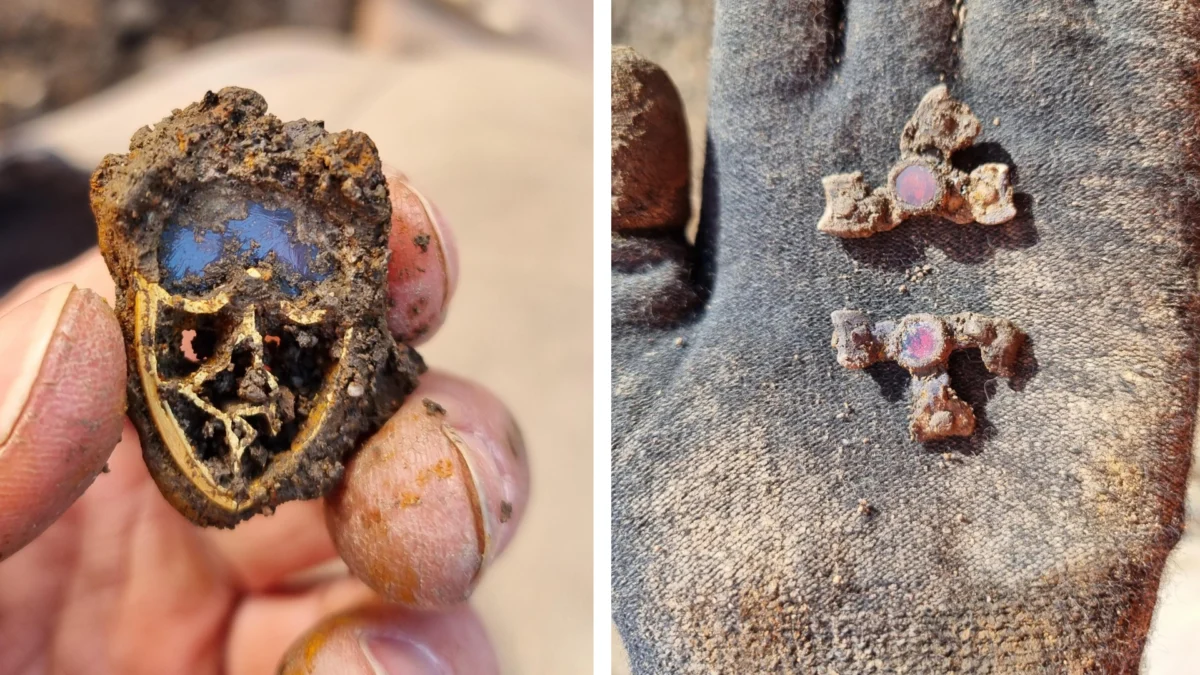
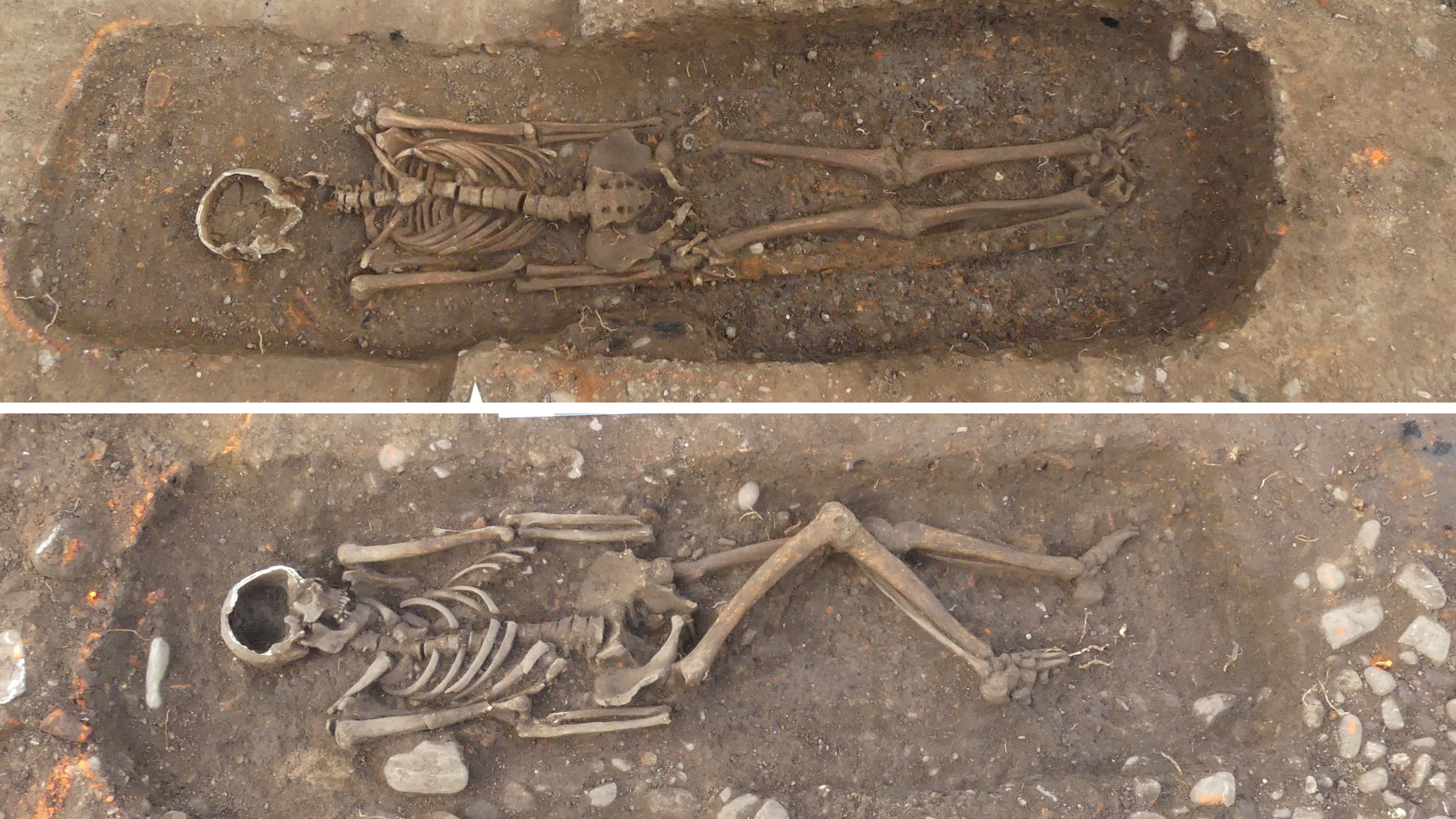
The excavation site, managed by specialists from Inrap—France’s state-backed agency dedicated to archaeological rescue and heritage conservation—yielded a collection of graves that immediately drew the attention of paleoanthropologists. Unlike standard rural cemeteries of the period, this particular burial ground contained a high concentration of adult males interred alongside weapon assemblages. These artifacts typically included iron swords, spearheads, and occasionally shield components, markers that historically denote high social status, warrior identity, or membership in a specialized military class.
Furthermore, a preliminary osteological analysis of the skeletons revealed distinct perimortem and healed traumatic injuries. Impact fractures on crania, defensive parry fractures on forearm bones, and penetrating wounds from sharp implements suggest that these individuals frequently engaged in hand-to-hand combat. The coexistence of grave goods and severe physical trauma paints a vivid picture of a turbulent era where warfare was not merely an abstract political event, but a direct, lived reality for a significant portion of the male population.
Chronology and Historical Context of the Iron Age in Western Europe
To understand the significance of the Inrap excavation, historians and archaeologists contextualize the findings within the broader timeline of the European Iron Age, which roughly spans from 800 BCE to the Roman conquest in the 1st century BCE.
During the early and middle Iron Age, Gaul—comprising modern-day France and parts of neighboring countries—was inhabited by various Celtic-speaking tribes. Society during this period became increasingly stratified. The rise of powerful chieftains, warrior elites, and fortified settlements (known as oppida) marked a departure from the more egalitarian communities of the preceding Bronze Age. Warfare evolved from localized disputes into more organized, systemic conflicts driven by competition for fertile land, trade routes, and political dominance.
The newly discovered cemetery likely dates to a period of heightened geopolitical instability within the region. While precise radiocarbon dating and artifact typology studies are ongoing, archaeologists note that weapon burials become more prevalent during times of social reorganization and external pressure, such as the migratory movements and territorial expansions that characterized the later centuries of the pre-Roman era.
Supporting Bioarchaeological Data and Methodology
Modern archaeology relies heavily on multidisciplinary collaboration, and the study of the French warrior cemetery is no exception. Bioarchaeologists, physical anthropologists, and material culture specialists are employing advanced analytical techniques to extract maximum data from the fragile remains.
Osteological examination involves macroscopic and microscopic assessment of bone modifications. By analyzing trauma patterns, researchers can often distinguish between blunt-force trauma (caused by clubs or maces), sharp-force trauma (inflicted by swords or axes), and projectile injuries (from arrows or sling stones). In many cases, healed fractures indicate that individuals survived previous battles, suggesting the presence of rudimentary surgical practices or community care systems capable of nursing wounded fighters back to health.
Simultaneously, metallographic analysis of the recovered weapons provides insights into manufacturing techniques, access to trade networks, and metallurgical skill levels during the Iron Age. Isotopic analysis of dental enamel and bone collagen is also expected to shed light on whether these warriors were local inhabitants or individuals who migrated from other regions, potentially illuminating the demographic makeup of early European warbands.
Official Responses and Perspectives from Inrap
Representatives from Inrap have emphasized the exceptional scientific value of the excavation. Rescue archaeology, which takes place ahead of modern construction and infrastructure projects, frequently uncovers unexpected historical treasures that might otherwise remain hidden beneath the landscape.
According to lead archaeologists overseeing the project, the concentration of trauma-bearing skeletons with military gear offers a rare opportunity to test long-held historical hypotheses regarding the frequency and nature of ancient violence. Classical texts written by Greek and Roman observers—such as Julius Caesar’s Commentarii de Bello Gallico—frequently described the Celts as fierce, weapon-obsessed warriors who engaged in constant inter-tribal warfare. However, researchers point out that classical accounts are often biased by political propaganda. The empirical bioarchaeological data recovered from this French cemetery provides an objective, material baseline that either corroborates or challenges ancient literary stereotypes.
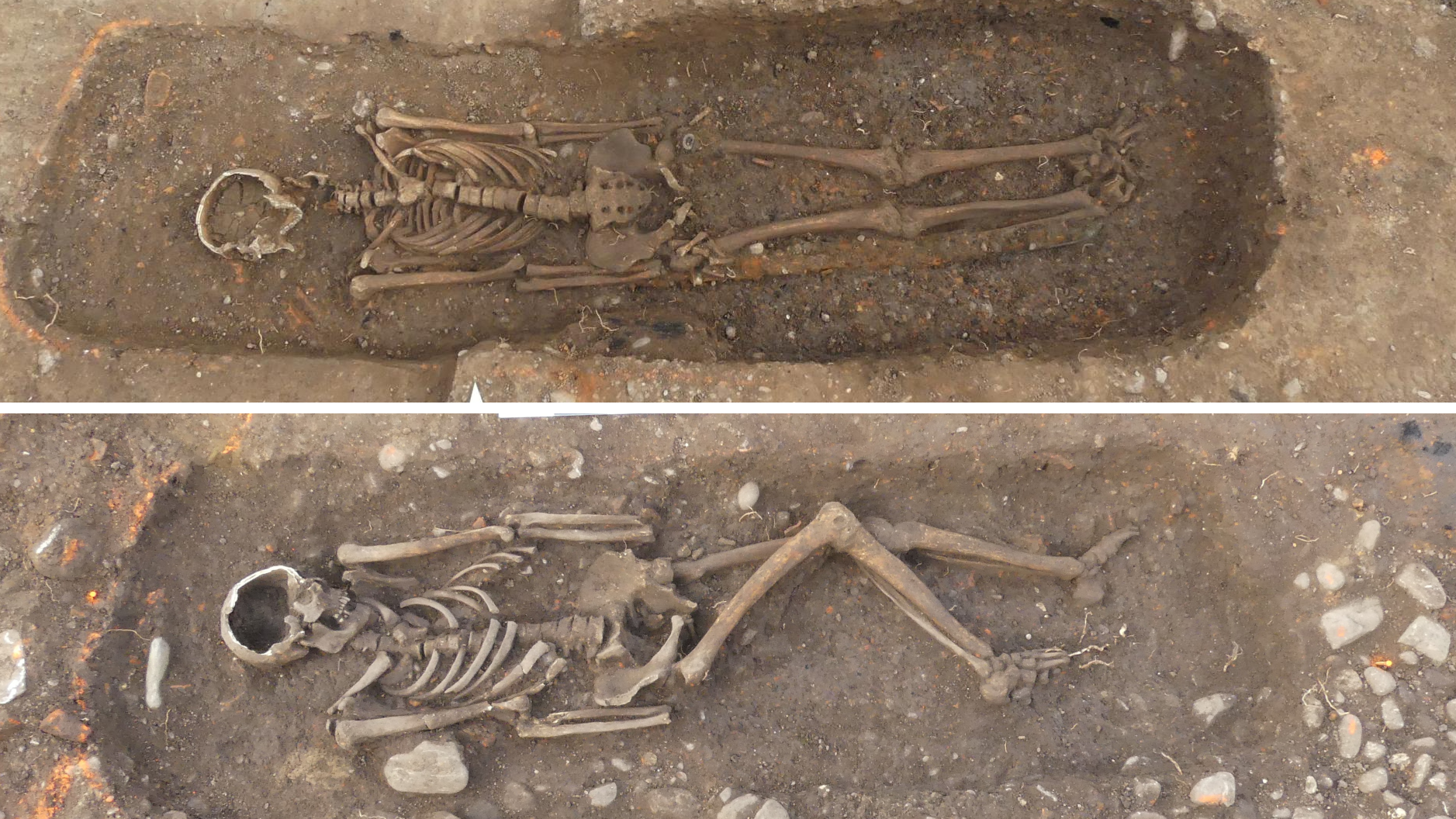
Inrap researchers have stressed that preserving these remains and documenting their archaeological context with meticulous precision is paramount. Every artifact position, soil discoloration, and skeletal orientation is recorded using three-dimensional digital mapping to recreate the exact moment of interment.
Broader Impact and Implications for European Prehistory
The implications of this archaeological find extend far beyond the borders of France, contributing to a global dialogue on the evolution of human conflict and the cultural construction of masculinity and status in ancient societies.
By examining how injuries were sustained, treated, and commemorated through mortuary rituals, scientists gain a deeper appreciation for how ancient communities processed the loss of combatants. The inclusion of weapons in graves was not merely a practical provision for an afterlife; it was a public statement by the surviving community regarding the social standing, honor, and identity of the deceased.
As laboratory analyses proceed, the findings from the Inrap excavation will be integrated into peer-reviewed academic literature and public exhibition spaces. Ultimately, this discovery enriches our historical narrative, transforming anonymous skeletons into tangible human links to a complex, violent, and fascinating chapter of European prehistory.